

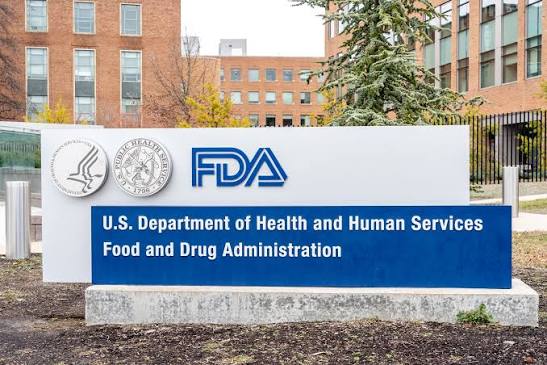
U.S. Food and Drug Administration (FDA) has unveiled its National Antimicrobial Resistance Monitoring System (NARMS) Strategic Plan 2026–2030, setting out an ambitious roadmap to strengthen the country’s response to one of the world’s most pressing public health and animal health challenges—antimicrobial resistance (AMR).
Developed through the FDA’s Center for Veterinary Medicine (CVM) in collaboration with federal partners, the new strategy aims to improve the monitoring of antimicrobial resistance in food-producing animals, retail meat and people, while expanding the use of advanced genomic technologies and improving data sharing across agencies.
Experts believe the updated strategy will not only guide future U.S. policies but also influence antimicrobial stewardship programmes and surveillance systems around the world.
Why Antimicrobial Resistance Matters
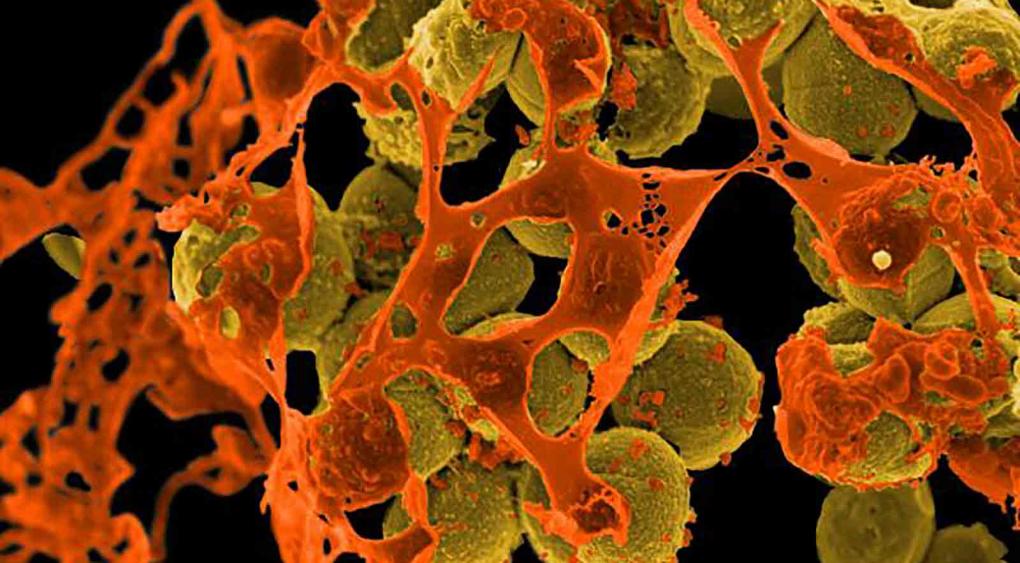
Antimicrobials, including antibiotics, have transformed both human and veterinary medicine by making it possible to treat bacterial infections that were once fatal. However, bacteria can gradually develop resistance to these medicines.
When this happens, infections become more difficult—and sometimes impossible—to treat. This growing problem, known as antimicrobial resistance (AMR), affects both human and animal health and is recognised by the World Health Organization (WHO) as one of the leading global health threats.
In livestock production, responsible use of antibiotics is essential not only for animal welfare but also for protecting the long-term effectiveness of these life-saving medicines.
What Is NARMS?
The National Antimicrobial Resistance Monitoring System (NARMS) is a long-standing U.S. surveillance programme established in 1996. It is jointly managed by:
The U.S. Food and Drug Administration (FDA)
The Centers for Disease Control and Prevention (CDC)
The U.S. Department of Agriculture (USDA)
The programme tracks antimicrobial resistance in bacteria collected from:
Food-producing animals
Retail meat products
Human clinical infections
The information helps scientists understand how resistance develops and spreads, allowing policymakers to make informed decisions about antibiotic use in both human and veterinary medicine.
Key Goals of the New Five-Year Strategy
The NARMS Strategic Plan 2026–2030 focuses on several major priorities designed to modernise antimicrobial resistance monitoring.
1. Expand Surveillance – The FDA plans to strengthen monitoring of antimicrobial-resistant bacteria in livestock, food products and people. Improved surveillance will help detect new resistance patterns earlier and support faster public health responses.
2. Increase the Use of Genomic Technology – One of the strategy’s major priorities is expanding the use of whole genome sequencing. This technology allows scientists to study the complete genetic makeup of bacteria, helping identify resistance genes, trace disease outbreaks and understand how resistant bacteria spread through animal and food production systems.
Genomic surveillance has become an increasingly important tool for modern disease investigation.
3. Improve Data Sharing – The strategy places strong emphasis on improving collaboration between government agencies, researchers and public health laboratories. Better data sharing can accelerate scientific research and strengthen national responses to emerging resistance threats.
Open access to surveillance information also supports evidence-based policymaking and international cooperation.
4. Support Responsible Antibiotic Use – Another major objective is strengthening antimicrobial stewardship. This involves encouraging the responsible and appropriate use of antibiotics in veterinary medicine while ensuring animals continue to receive effective treatment when they become ill.
Responsible antibiotic use helps slow the development of resistance without compromising animal health or welfare.
A One Health Approach
The new strategy reflects the growing importance of the One Health concept. One Health recognises that the health of people, animals and the environment is closely interconnected.
Because resistant bacteria can move between animals, humans, food and the environment, tackling antimicrobial resistance requires coordinated action across multiple sectors rather than isolated efforts. The FDA’s strategy strengthens this integrated approach by linking surveillance across animal, food and human health systems.
Why This Matters for the Livestock Industry
Antimicrobial resistance has significant implications for livestock production worldwide. Farmers rely on effective antibiotics to treat bacterial diseases that affect animal welfare and productivity.
If resistance continues to increase, treatment options may become more limited, potentially leading to higher disease burdens and greater economic losses.
Improved surveillance helps identify emerging resistance patterns before they become widespread and supports more targeted treatment decisions. For veterinarians, access to better surveillance data can improve antimicrobial selection and encourage evidence-based prescribing.
Global Impact Beyond the United States
Although the strategy focuses on the United States, its influence is expected to extend well beyond national borders. Many countries look to the FDA and NARMS as leaders in antimicrobial resistance surveillance.
Advances in genomic monitoring, data sharing and surveillance methods developed through the programme may inform future animal health policies, regulatory frameworks and antimicrobial stewardship initiatives in other regions.
International organisations, including the World Organisation for Animal Health (WOAH) and the World Health Organization, have consistently highlighted the importance of coordinated surveillance in combating antimicrobial resistance.
Technology Is Transforming Disease Surveillance
The increasing use of genomic technologies represents one of the most important developments in infectious disease monitoring. Unlike traditional laboratory methods, whole genome sequencing provides detailed genetic information about bacteria, allowing scientists to:
Detect new resistance genes
Identify links between outbreaks
Track the movement of bacterial strains
Monitor changes in resistance over time
These capabilities strengthen both food safety and animal health surveillance programmes.
What It Means for Veterinary Medicine
The updated strategy reinforces the expanding role of veterinarians in antimicrobial stewardship. Modern veterinary practice increasingly focuses on:
Disease prevention
Vaccination
Improved biosecurity
Better herd and flock management
Responsible antimicrobial prescribing
Reducing the need for antibiotics through preventive healthcare remains one of the most effective ways to slow the development of antimicrobial resistance.
Industry Perspective
The release of the NARMS Strategic Plan 2026–2030 signals continued investment in science-based surveillance and responsible antimicrobial use. For pharmaceutical companies, livestock producers, veterinarians and regulators, the strategy provides a framework for strengthening collaboration while supporting sustainable animal agriculture.
As global concerns about antimicrobial resistance continue to grow, comprehensive monitoring systems such as NARMS are expected to play an increasingly important role in protecting both animal and public health.
Key Takeaways
-
U.S. FDA has released the National Antimicrobial Resistance Monitoring System (NARMS) Strategic Plan 2026–2030
-
The strategy aims to strengthen surveillance of antimicrobial resistance in food-producing animals, retail meat and people
-
Expanded use of whole genome sequencing will improve the detection and tracking of resistant bacteria
-
Better data sharing between agencies will support faster scientific research and more effective public health responses
-
The strategy reinforces the principles of responsible antibiotic use and One Health, recognising the close connection between human, animal and environmental health
-
The plan is expected to influence future antimicrobial stewardship policies and surveillance programmes worldwide

