


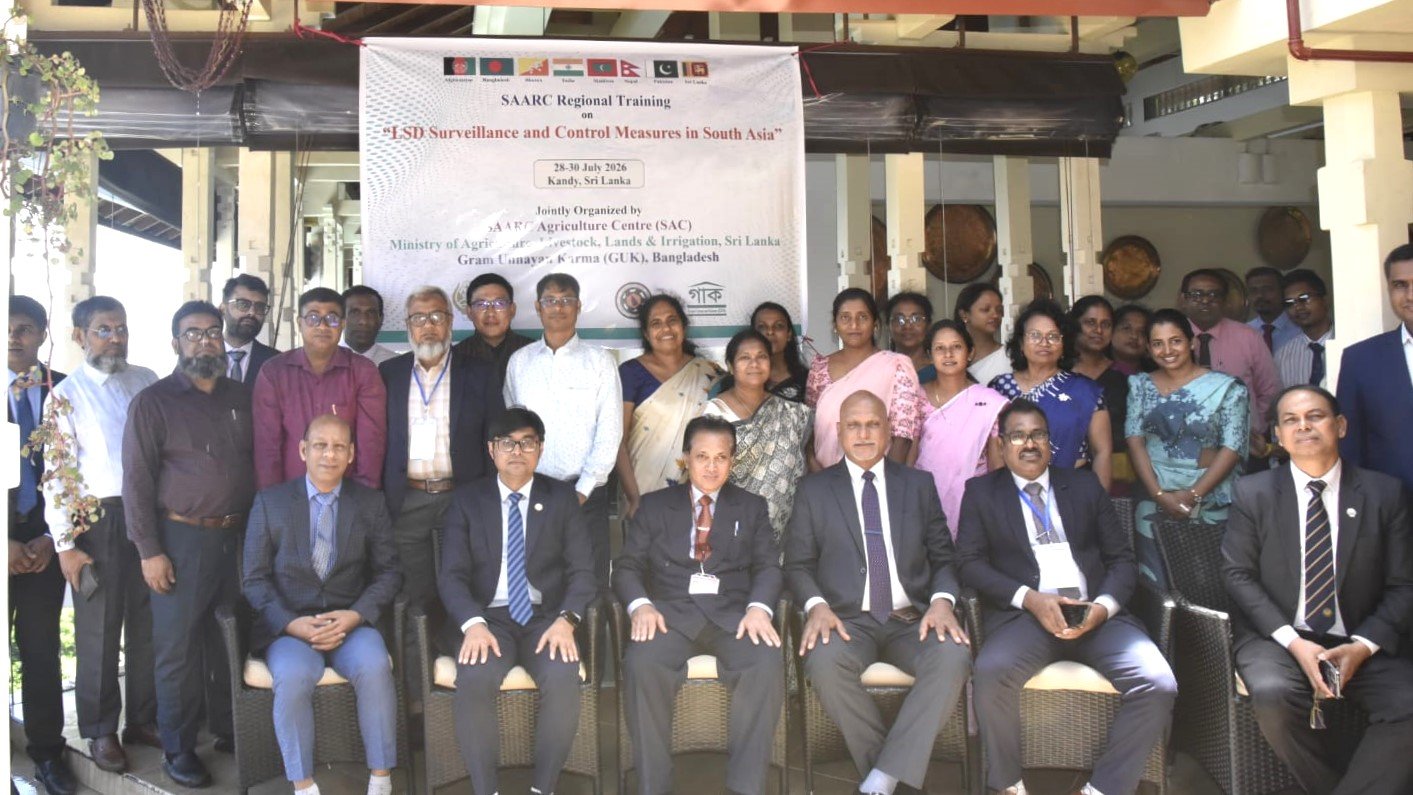
The three-day SAARC Regional Training on “LSD Surveillance and Control Measures in South Asia” commenced on July 28, 2026, in Kandy, Sri Lanka. The workshop was co-organized by the SAARC Agriculture Centre (SAC), Sri Lanka’s Ministry of Agriculture and Livestock, and Bangladesh-based NGO Gram Unnayan Karma (GUK).
o safeguard regional dairy production and rural farming livelihoods, the SAARC Agriculture Centre (SAC), alongside Sri Lanka’s Ministry of Agriculture and Livestock and Gram Unnayan Karma (GUK) Bangladesh, officially launched a three-day regional training initiative in Kandy, Sri Lanka.
Titled “LSD Surveillance and Control Measures in South Asia,” the workshop unites Chief Veterinary Officers, diagnostic virologists, and livestock experts from Bangladesh, Bhutan, Nepal, Pakistan, and Sri Lanka. The mandate centers on establishing standardized diagnostic protocols, synchronized vector abatement, and rapid cross-border reporting systems to manage Lumpy Skin Disease (LSD).
Technical Focus: Surveillance, Vectors, and Viral Persistence
Presenting the keynote address, Dr. S. Puvanendran, senior virologist at Sri Lanka’s Veterinary Research Institute, emphasized the epidemiological drivers that make LSD a persistent threat across South Asian cattle herds:
-
Vector Transmission Dynamics: LSD is primarily spread via mechanical vectors, including blood-feeding mosquitoes (Aedes and Culex species), stable flies (Stomoxys calcitrans), and hard ticks.
-
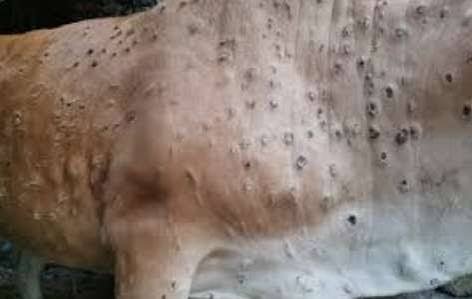
Environmental Stability: The Capripoxvirus responsible for LSD exhibits prolonged environmental resistance, remaining viable inside dried skin scabs, lesions, and shed tissue for extended periods.
-
Climate & Transit Vulnerability: Warm, humid weather patterns across South Asia—combined with seasonal monsoon flooding and unregulated livestock transit across national borders—accelerate vector populations and disease spread.
Strategic Objectives for South Asia’s Dairy & Cattle Sectors
Strategic Pillar |
Action Plan Highlights |
Harmonized Diagnostics |
Aligning real-time PCR testing and serological assays across SAARC veterinary laboratories. |
Vector Management |
Deploying farm-level biosecurity, pest suppression, and sanitation around dairy clusters. |
Vaccination Protocols |
Expanding coverage using homologous Capripoxvirus vaccine strains to prevent milk drop and mortality. |
Policy Integration |
Bridging research from institutions like the University of Peradeniya with governmental field services. |
Regional Leadership Commentary
Speaking at the inaugural session, Dr. B.S.S. Perera, Director General of Sri Lanka’s Department of Animal Production and Health (DAPH) and Chairman of the SAARC CVOs Forum, highlighted the need for collective action:
“Transboundary animal diseases like Lumpy Skin Disease do not respect national borders. Strengthening regional cooperation, early detection networks, and capacity building across SAARC member states is essential to protect smallholder dairy farmers and secure regional food systems.”
Dr. Md. Younus Ali, Senior Program Specialist (Livestock) at the SAARC Agriculture Centre, added that establishing unified digital disease surveillance grids will allow member states to issue early warnings before seasonal vector spikes occur.

 surveillance)