

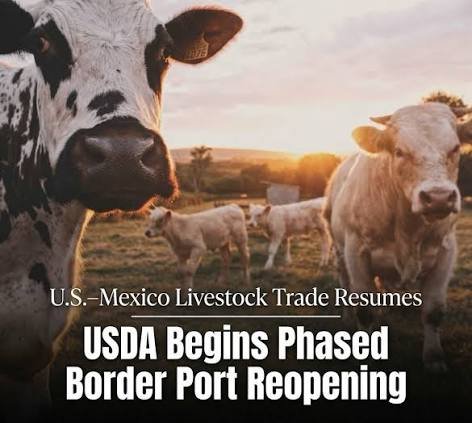
Enhanced surveillance, mandatory inspections and strict biosecurity measures mark the cautious resumption of cross-border livestock trade
The U.S. Department of Agriculture (USDA) has announced a phased reopening of live cattle imports from Mexico beginning August 24, 2026, following significant progress in surveillance and control efforts targeting the New World screwworm (NWS) (Cochliomyia hominivorax).
The decision represents a major milestone for the North American livestock industry after months of import restrictions implemented to prevent the spread of one of the world’s most destructive livestock parasites into the United States.
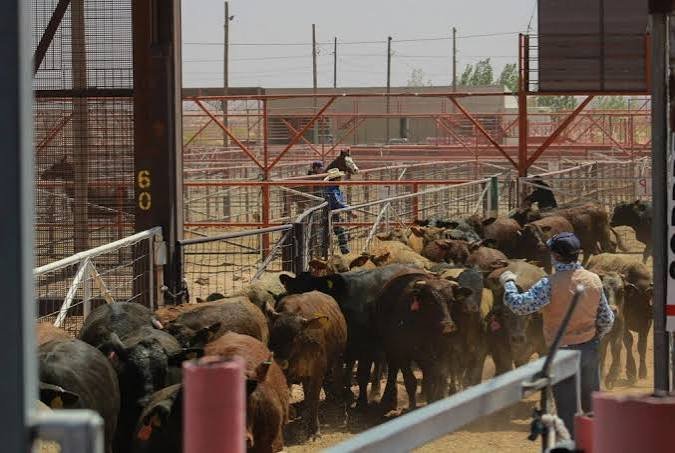
According to the USDA, the reopening will occur gradually under enhanced veterinary oversight, with every imported animal undergoing inspection before entering the United States. Additional border ports may reopen over time if disease surveillance continues to demonstrate effective control of the parasite. The announcement reflects a science-based, risk-managed approach that balances biosecurity with the economic importance of cross-border cattle trade.
Why the Border Was Closed
Earlier this year, the USDA suspended imports of live cattle, bison and horses from Mexico after the detection and northward spread of the New World screwworm, a parasitic fly capable of causing severe and potentially fatal infestations in warm-blooded animals.
Unlike most fly larvae that feed on dead tissue, New World screwworm larvae invade healthy living tissue, creating deep wounds that continue to enlarge if left untreated. The parasite affects:
-
Beef cattle
-
Dairy cattle
-
Horses
-
Sheep
-
Goats
-
Swine
-
Companion animals
-
Wildlife
-
Occasionally humans
Because of its devastating impact on livestock production, New World screwworm is regarded as one of the most significant transboundary animal pests in the Americas.
What Has Changed?
USDA officials stated that the reopening follows months of collaboration between U.S. and Mexican veterinary authorities to strengthen disease surveillance and control. Key improvements include:
-
Expanded field surveillance in affected regions
-
Increased veterinary inspections
-
Enhanced movement controls
-
Strengthened diagnostic capacity
-
Ongoing sterile insect release programmes
-
Continuous epidemiological monitoring
These measures have improved confidence that cattle can be imported under carefully controlled conditions while maintaining U.S. biosecurity standards.
A Phased Reopening Strategy
Rather than reopening all border crossings simultaneously, the USDA will adopt a stepwise approach. Beginning August 24, selected ports will resume imports under strict veterinary supervision. Every shipment will be subject to:
-
Individual animal inspection
-
Health certification requirements
-
Verification of origin
-
Biosecurity protocols
-
Compliance with USDA import regulations
The department indicated that additional ports may reopen later if surveillance data continue to demonstrate favourable disease conditions.
Officials also noted that reopening plans could be adjusted if the epidemiological situation changes.
Why Every Animal Will Be Inspected
Inspection of every imported animal forms a cornerstone of the reopening strategy. Veterinary inspectors will evaluate cattle for evidence of:
-
Active wounds
-
Parasite infestation
-
Clinical signs consistent with screwworm
-
Overall health status
-
Compliance with import documentation
Any suspicious cases will undergo further veterinary investigation before movement is permitted. This intensive inspection programme aims to minimise the likelihood of introducing New World screwworm into U.S. livestock populations.
Understanding New World Screwworm
New World screwworm (Cochliomyia hominivorax) is not simply another biting fly. Female flies lay eggs in:
-
Fresh wounds
-
Surgical sites
-
Tick bites
-
Branding wounds
-
Castration sites
-
Umbilical cords of newborn animals
After hatching, larvae feed aggressively on healthy tissue rather than dead tissue. Clinical signs include:
-
Deep expanding wounds
-
Bloody discharge
-
Foul odour
-
Severe pain
-
Weight loss
-
Reduced productivity
-
Secondary bacterial infections
-
Death in untreated animals
Rapid diagnosis and treatment are essential to prevent serious animal welfare and production losses.
Sterile Insect Technique Remains the Cornerstone of Control
One of the world’s greatest veterinary success stories has been the use of the Sterile Insect Technique (SIT) to eradicate New World screwworm from the United States and much of Central America. The programme involves:
-
Mass production of screwworm flies.
-
Sterilisation using ionising radiation.
-
Release of sterile male flies into the environment.
-
Mating with wild females.
-
Production of no viable offspring.
-
Progressive collapse of wild fly populations.
The technique has been successfully used for decades and continues to play a central role in regional control programmes coordinated by veterinary authorities.
Economic Importance of Cross-Border Cattle Trade
Mexico is one of the United States’ most important livestock trading partners. Each year, hundreds of thousands of feeder cattle move across the border to support:
-
U.S. beef production
-
Feedlots
-
Ranching operations
-
Meat processing
-
Rural economies
Temporary import restrictions disrupted:
-
Supply chains
-
Feedlot inventories
-
Marketing schedules
-
Producer revenues
-
Beef supply planning
The phased reopening is therefore expected to provide greater certainty for producers while preserving essential disease safeguards.
Biosecurity Remains the Top Priority
Despite the reopening, USDA emphasised that surveillance will continue at multiple levels. Authorities will maintain:
-
Active disease monitoring
-
Cross-border veterinary cooperation
-
Field inspections
-
Import verification
-
Rapid response capability
-
Epidemiological investigations
If new risks emerge, additional restrictions can be implemented quickly. This flexible approach reflects modern risk-based veterinary disease management.
Implications for the Animal Health Industry
The reopening is expected to influence several sectors of the animal health industry.
Veterinary Diagnostics – Demand for rapid parasite identification and surveillance tools is likely to remain strong.
Animal Health Products – Continued emphasis on wound management, parasite control and biosecurity may support demand for:
-
Veterinary parasiticides
-
Wound-care products
-
Fly control technologies
-
Livestock monitoring systems
Livestock Traceability – Enhanced inspection protocols reinforce the importance of:
-
Animal identification
-
Movement records
-
Health certification
-
Digital traceability systems
Veterinary Services – Cross-border disease prevention depends on close collaboration among:
-
Government veterinarians
-
Private practitioners
-
Livestock producers
-
Diagnostic laboratories
-
International animal health agencies
A One Health Perspective
Although New World screwworm primarily affects livestock, occasional human infections have been reported in endemic regions, making surveillance important from both veterinary and public health perspectives.
The coordinated response between U.S. and Mexican authorities demonstrates how One Health principles—integrating animal health, public health and environmental monitoring—can strengthen preparedness against transboundary biological threats.
Industry Outlook
The USDA’s announcement marks an important step toward restoring normal livestock trade while maintaining one of the world’s most robust animal health surveillance systems.
For producers, the phased reopening should improve cattle availability and reduce supply chain disruptions. For veterinarians and regulators, however, the message remains clear: biosecurity cannot be relaxed.
Maintaining freedom from New World screwworm requires continuous surveillance, rapid reporting, strong veterinary infrastructure and close international cooperation.
As climate change, increased animal movement and global trade continue to influence disease dynamics, proactive surveillance and coordinated regional responses will remain essential to protecting livestock industries across North America.
Key Takeaways
-
USDA will begin a phased reopening of live cattle imports from Mexico on August 24, 2026
-
The decision follows strengthened surveillance and control measures targeting New World screwworm (NWS)
-
Every imported animal will undergo veterinary inspection before entering the United States
-
Additional border ports may reopen if disease conditions remain favourable
-
The reopening supports livestock trade while maintaining strict biosecurity and animal health safeguards

