


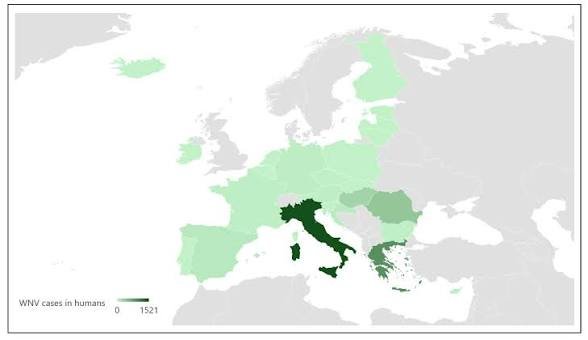
In its latest joint vector-borne disease surveillance update, the European Food Safety Authority (EFSA) and the European Centre for Disease Prevention and Control (ECDC) have documented an active wave of West Nile Virus (WNV) activity across Southern and Central Europe.
The monthly epidemiological assessment confirms 17 distinct WNV outbreaks among equids alongside 74 outbreaks in wild and domestic avian populations across key endemic corridor countries. Driven by sustained high vector density—specifically mosquitoes of the Culex genus—veterinary authorities across Italy, Greece, Spain, and the Balkan Peninsula have issued immediate alerts urging clinicians to audit equine vaccination statuses and implement vector control protocols.
Epidemiological Dynamics & Transmission Cycle
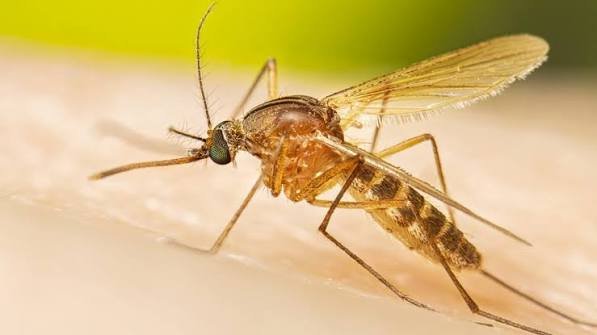
West Nile Virus is a mosquito-borne Flavivirus maintained in an enzootic bird-mosquito-bird cycle. Wild birds serve as amplifying hosts, developing high-level viremia capable of infecting opportunistic vector species. High seasonal temperatures across Southern Europe have accelerated the gonotrophic cycle and larval development of Culex pipiens, expanding vector populations near equine facilities and human settlements.
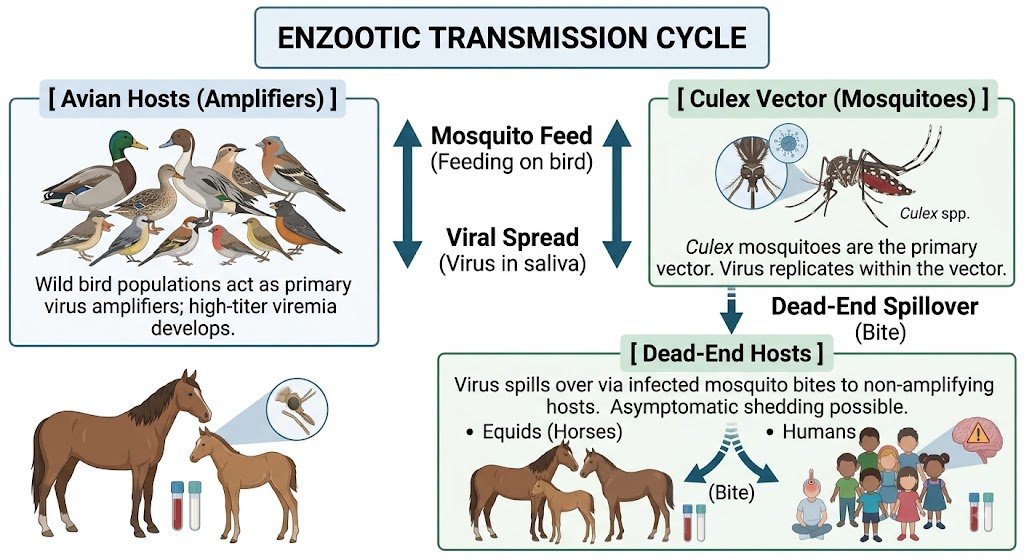
Equids and humans act as dead-end hosts; while they can contract severe clinical illness, they do not produce sufficient viral loads to infect feeding mosquitoes.
Clinical Presentation in Equines & Diagnostic Metrics
While many WNV infections in horses remain subclinical, approximately 10% of symptomatic cases progress to severe neurological dysfunction, carrying a mortality rate up to 30–50% among non-vaccinated animals displaying clinical signs
Surveillance Breakdown by Host Category
Surveillance Category |
Reported Outbreaks / Cases |
Primary Hotspots Identified |
Clinical / Veterinary Actions |
Avian Populations |
74 Outbreaks (Wild & Domestic) |
Northern Italy, Central Greece, Eastern Spain |
Active sentinel wild bird screening; carcass testing in raptors and corvids |
Equid Cases |
17 Outbreaks |
Italy, Greece, Balkan region, Spain |
Mandatory reporting to national ADIS databases; serological screening (IgM ELISA) |
Human Vector Risk |
High Spillover Probability |
Regions with active avian/equine transmission |
One Health advisories; blood donor screening implementation |
Veterinary Guidelines & Prevention Protocol
Equine practitioners across affected regions are advised to enforce a three-tiered defense strategy:
-
Immunization Audit: Verify that all equids have received an annual booster prior to local peak vector activity. In high-exposure areas, horses vaccinated over 6 months ago should be evaluated for booster administration.
-
Environmental Vector Abatement: Eliminate standing water sources, clean watering troughs twice weekly, and apply approved pyrethroid-based repellents during peak mosquito feeding hours (dusk and dawn).
-
Neurological Monitoring: Any horse presenting with ataxia, muscle fasciculations, hindlimb weakness, or behavioral alterations must be immediately isolated, swabbed/tested via IgM capture ELISA, and reported to state veterinary officials.

