


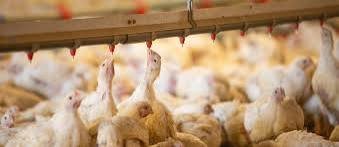
A new Financial Times investigation is drawing attention to a growing One Health problem in Pakistan’s rapidly expanding poultry industry: intensive production systems can create conditions that encourage antibiotic use and the selection and circulation of antimicrobial-resistant bacteria.
The issue is not simply whether antibiotic residues remain in chicken meat. The larger consumer-health concern is whether poultry production becomes a reservoir and transmission pathway for bacteria carrying antimicrobial resistance, potentially reducing the effectiveness of medicines used to treat human infections.
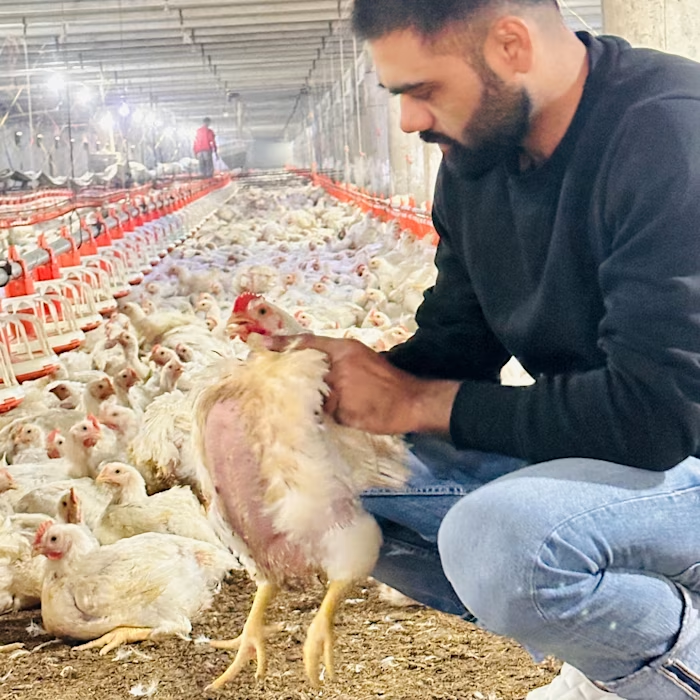
The concern is particularly relevant in Punjab, Pakistan, where commercial poultry production has expanded rapidly and large broiler operations can house tens of thousands of birds. The Financial Times reports that Pakistan’s chicken production has grown by an average of approximately 10% annually over the past decade, with more than 17,000 broiler farms in Punjab.
The antibiotic-use problem starts at the farm
A 2023 cross-sectional study of poultry farms in rural Punjab found widespread antibiotic use and significant gaps in veterinary oversight.
The study reported that all surveyed farms used antibiotics, while 60% of antibiotic use in poultry was without a prescription. Colistin and amoxicillin represented a large proportion of reported use, while the study also identified substantial use of antibiotics without professional oversight.
Colistin is particularly important from a public-health perspective because it has historically been regarded as a last-resort antibiotic for certain multidrug-resistant infections in humans. The Financial Times investigation additionally reports that approximately one-third of farms surveyed used fluoroquinolones, a class considered critically important to human medicine.
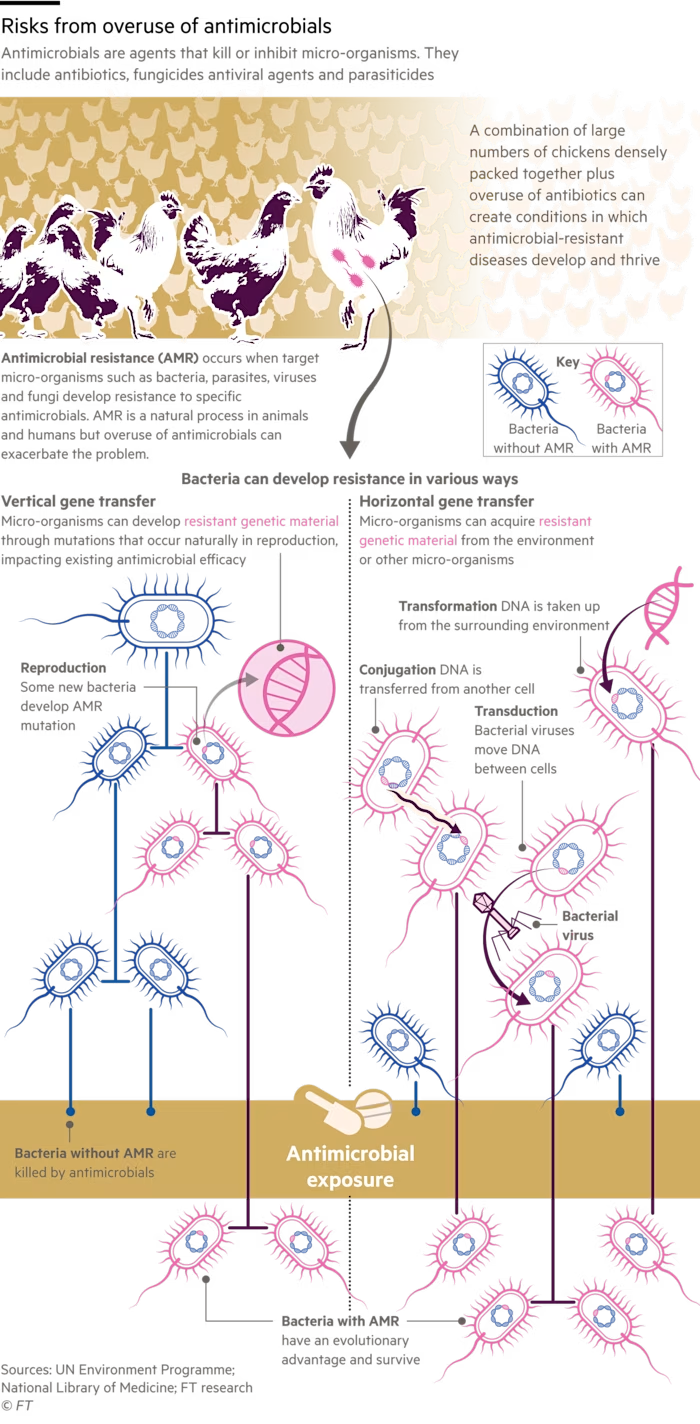
This creates a fundamental biological problem: Antibiotic exposure → selection pressure → survival of resistant bacteria → multiplication and transmission → potentially greater exposure of people and the environment.
Antibiotics remain essential veterinary medicines. The concern is unnecessary, inappropriate or poorly controlled use, not the treatment of genuinely sick animals.
Why consumers should care about resistant bacteria
Antimicrobial resistance is often misunderstood as simply “antibiotics in meat.” That is too narrow. There are at least three separate consumer-health pathways that need to be distinguished:
Pathway |
Consumer-health relevance |
|---|---|
Antibiotic residues in meat |
Controlled through withdrawal periods and residue standards |
Resistant bacteria on contaminated food |
Can potentially cause infections that are harder to treat |
Resistance genes in the food/environment |
May contribute to wider circulation of resistance |
FAO states that food can act as a route for exposure to antimicrobial-resistant microorganisms. Resistant organisms in the food chain can cause human illness when pathogenic and can also contribute to the broader reservoir of resistance.
Therefore, antimicrobial stewardship in poultry is a food-safety issue as well as an animal-health issue.
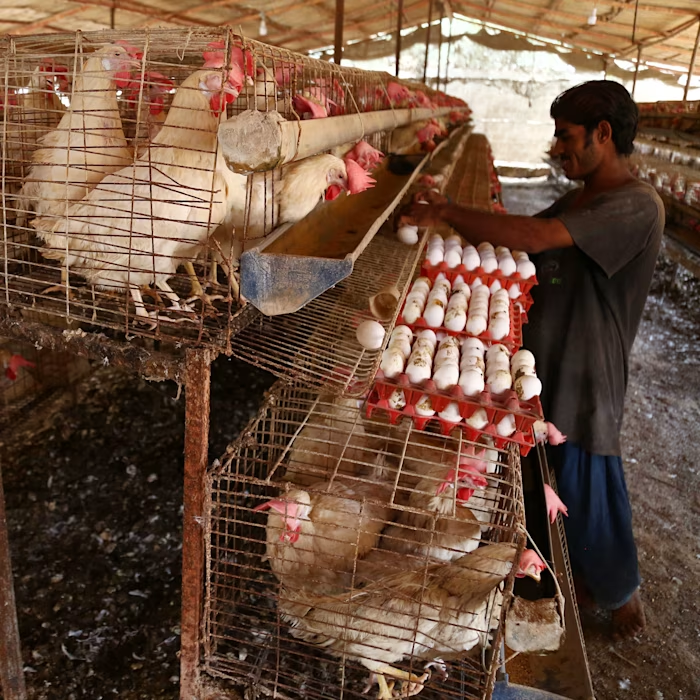
Pakistan’s poultry-meat evidence is already concerning
The concern is not based only on farm-level antibiotic-use surveys. A study of commercially available poultry and fish products from Faisalabad found multiple antimicrobial-resistance genes in bacteria isolated from broiler samples.
Among broiler isolates, researchers detected:
-
qnr genes: 27.1%
-
blaTEM: 27.1%
-
blaCTX-M: 31.4%
-
blaNDM-1: 7.1%
The study also reported that 18 of 40 broiler samples (45%) contained quinolone residues above 100 µg/kg in the tested samples. The authors concluded that multidrug-resistant bacteria and quinolone residues represented a consumer-health concern.
These findings should be interpreted carefully. They came from a limited sampling study in Faisalabad, rather than a nationally representative survey of all Pakistani poultry products. They therefore cannot be used to estimate the prevalence of resistant bacteria or residues across the entire Pakistani food supply. But they demonstrate that the pathway is biologically plausible and measurable.
Residues and resistance are not the same thing
This distinction is particularly important for consumers. Finding an antibiotic residue in meat does not mean that the consumer will automatically develop antibiotic resistance.
Likewise, finding a resistant bacterium on poultry meat does not mean that a consumer will necessarily become infected. The public-health concern is cumulative and population-level.
Poor antimicrobial stewardship can increase the opportunity for resistant organisms to emerge and circulate. If contaminated food carries pathogenic resistant bacteria, infection may become more difficult to treat. FAO therefore treats foodborne AMR as a food-safety hazard requiring action across the entire chain—from primary production and animal health through processing, retail and consumption.
A second problem: intensive production can amplify transmission
Antibiotic use is only part of the story. High-density poultry production can facilitate transmission of infectious organisms between birds. The Financial Times cites research from the Ineos Oxford Institute suggesting that very large chicken populations can function as ecological “pathogen sponges”, accumulating and amplifying bacterial strains from multiple sources.
This creates an important feedback loop:
High stocking density
↓
Greater infection pressure
↓
Greater probability of antimicrobial treatment
↓
Selection for resistant organisms
↓
Persistence and circulation of resistant bacteria
↓
Higher disease-control challenge
The solution therefore cannot simply be “use a different antibiotic.” It requires reducing the need for antibiotics in the first place.
Biosecurity may be one of the most commercially important interventions
One of the most striking observations in the Financial Times report comes from Pakistani veterinarian and poultry farmer Adnan Shoukat.
His farm houses approximately 54,000 chickens. Through measures including vehicle disinfection, footwear sanitation, treated drinking water and other biosecurity practices, he reports reducing annual antibiotic expenditure by approximately 25% per chicken. That is an important economic signal.
If better prevention can reduce antibiotic requirements while maintaining flock health, the value proposition becomes: Lower disease pressure + lower antibiotic consumption + potentially lower treatment cost + improved antimicrobial stewardship.
This is considerably more attractive to producers than simply imposing restrictions on antibiotic use without providing workable alternatives.
The new poultry-health model
The industry’s strategic direction is increasingly moving from an antibiotic-first model toward a prevention-first system:
Antibiotics
Treat confirmed bacterial disease when clinically justified
↓
Biosecurity
Reduce introduction and transmission of pathogens
↓
Vaccination
Lower the incidence and severity of preventable disease
↓
Diagnostics
Identify the pathogen before treatment decisions
↓
Gut health
Support intestinal stability and reduce disease pressure
↓
Nutrition
Maintain immune and metabolic resilience
↓
Precision management
Detect environmental and production problems earlier
This does not mean antibiotics disappear. They remain essential when bacterial disease requires treatment. The objective is to make antimicrobial treatment more targeted, evidence-based and effective.
What does this mean for the chicken on a consumer’s plate?
For consumers, the most important message is not to stop eating poultry because of this report. The risk should instead be understood through food-safety controls and kitchen hygiene.
FAO identifies Salmonella and Campylobacter among the major bacterial causes of foodborne illness associated with poultry and emphasizes that safe production, handling and cooking remain important barriers between contaminated poultry and human infection.
Consumers can reduce exposure to foodborne pathogens by:
-
keeping raw chicken separate from ready-to-eat foods;
-
washing hands and utensils after handling raw poultry;
-
avoiding cross-contamination of kitchen surfaces;
-
refrigerating poultry appropriately;
-
cooking poultry thoroughly;
-
following food-safety instructions on packaging.
Importantly, washing raw chicken is not recommended as a method of removing bacteria, because splashing can spread contamination around the kitchen.
Why alternatives are gaining importance
The economic opportunity is therefore shifting from simply selling more antimicrobial products toward technologies that reduce the underlying requirement for antibiotics. The potential growth areas include:
Technology / intervention |
Role in reducing antimicrobial dependence |
|---|---|
Vaccines |
Prevent specific infectious diseases |
Probiotics |
Support intestinal microbial balance |
Prebiotics / fibre technologies |
Support beneficial gut microbiota |
Postbiotics |
Microbial-derived functional compounds |
Organic acids |
Feed/water hygiene and pathogen control |
Phytogenics |
Potential support for gut health and performance |
Bacteriophages |
Target selected bacterial pathogens |
Rapid diagnostics |
Improve treatment targeting |
Water sanitation |
Reduce pathogen exposure |
Biosecurity systems |
Prevent pathogen introduction |
Precision monitoring |
Detect disease/environmental stress earlier |

