


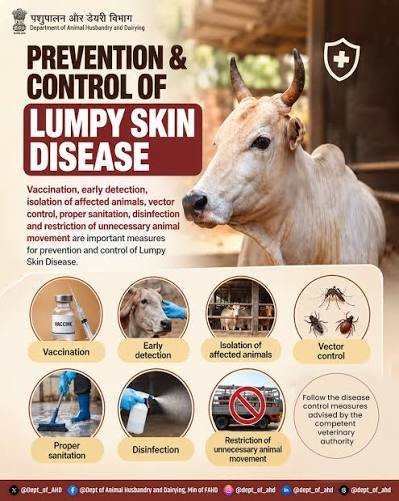
Lumpy Skin Disease outbreaks are spreading across different states / provinces of India despite availability of 2 different prophylactic vaccines, and these are:
-
Homologous Lumy Skin Disease Live-Attenuated Vaccine and
-
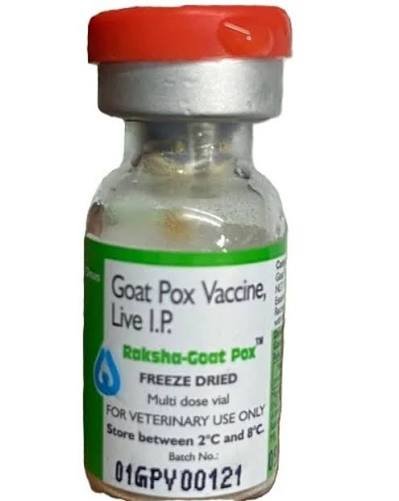
Heterologous Goat Pox Vaccine which initially was extensively used around 5 years ago in India as no Homologous vaccine for Lumpy Skin Disease was developed / approved at that time
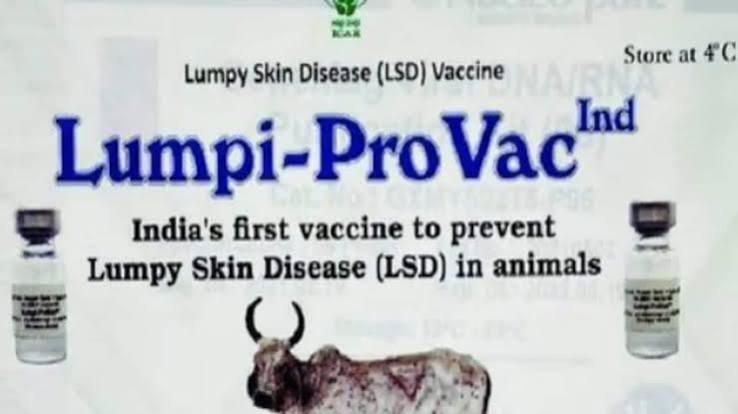
Now, since both these vaccines are commercially available – lets try and understand the comparative efficacy and safety profiles of both these vaccines, as under:
Homologous Lumpy Skin Disease Virus (LSDV) live-attenuated vaccines and heterologous Goat Pox Virus (GTPV) vaccines are the two primary choices for controlling LSD in cattle.
While both leverage the genomic sequence similarity across the Capripoxvirus genus, their immunological performance, safety profiles, and clinical protection differ significantly.
Comparative Evaluation Matrix
Parameter |
Homologous LSDV Vaccine (e.g., Neethling strain, Lumpi-ProVacInd) |
Heterologous GTPV Vaccine (e.g., Gorgan strain, Uttarkashi strain) |
Protective Efficacy |
Superior (85%–100%)Induces robust, pathogen-specific neutralizing antibodies and a strong CD8+ T-cell response. Confers solid sterilizing/clinical protection. |
Variable to Moderate (20%–80%)Efficacy depends heavily on the strain. Gorgan GTPV provides strong cross-protection, whereas other strains (e.g., Uttarkashi) may offer limited field protection without higher dosing. |
Onset of Immunity |
Rapid (10–14 days)Specific viral surface antigens trigger early cell-mediated immunity (CMI) and rapid seroconversion, making it ideal for ring vaccination during active outbreaks. |
Slower (14–21+ days)Requires a longer window to build effective cross-reactive cellular responses. High antigenic challenge required for protection. |
Duration of Immunity |
Long-lasting (≥ 12–18 months)Single annual immunization maintains strong memory T-cell populations and sustained antibody titers. |
Shorter / Waning (6–12 months)Cross-reactive immunity wanes faster, particularly in younger cattle (<12 months), often requiring booster doses at 4–6 months. |
Safety & Post-Vaccine Complications |
Moderate to GoodSome classic Neethling strains cause a mild “Neethling response” (transient fever, temporary milk drop, small local nodules in ~1%–10% of herd). Next-gen variants (e.g., Lumpi-ProVacInd) show minimal to no side effects. |
High Safety ProfileVery low reactogenicity in cattle. Does not induce “Neethling-like” systemic disease or severe milk drops, as the virus is poorly adapted to replication in bovine tissues. |
Dosing Requirements |
Standard Single DoseConforms to standard viral titers (10^3.5, TCID50). |
Higher Dosing RequiredUsually requires 2× to 10× the standard goat dose (10^3.5 to 10^4.0, TCID50) when administered to cattle to compensate for heterologous antigenicity. |
Key Takeaways
-
Efficacy & Field Control: Homologous vaccines provide broader herd protection, preventing viral shedding and clinical disease far more consistently than heterologous strains. Countries facing severe epizootic outbreaks generally phase out GTPV in favor of homologous vaccines once domestic production scales up
-
Emergency Availability: Heterologous GTPV vaccines serve as an accessible emergency tool when homologous supplies are scarce, as GTPV manufacturing is already widespread in endemic sheep and goat farming regions
-
Safety Considerations: Where milk yield stability and low post-vaccination reactions are paramount, heterologous GTPV vaccines offer a gentle safety profile. However, newer homologous strains have significantly mitigated safety concerns while retaining maximum efficacy

