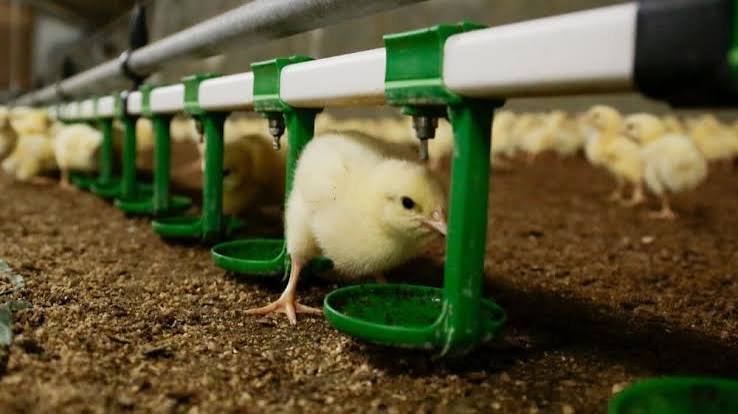
Uganda is adjusting rules governing the importation of poultry genetic material as the country faces a shortage of layer chicks.
The policy response reflects the importance of breeding-stock availability to commercial poultry production. Shortages of parent-stock genetics can rapidly translate into reduced chick availability, higher prices and production constraints for egg producers.
The development also demonstrates the relationship between poultry genetics and animal-health economics. Modern poultry systems increasingly rely on specialised genetic lines selected for egg production, feed efficiency, growth performance and disease resilience.
By improving access to genetic material, Uganda is attempting to address an upstream bottleneck rather than simply responding to downstream chick shortages.
For African poultry markets, this represents a broader trend toward strengthening breeding infrastructure, genetics availability and domestic production capacity.