


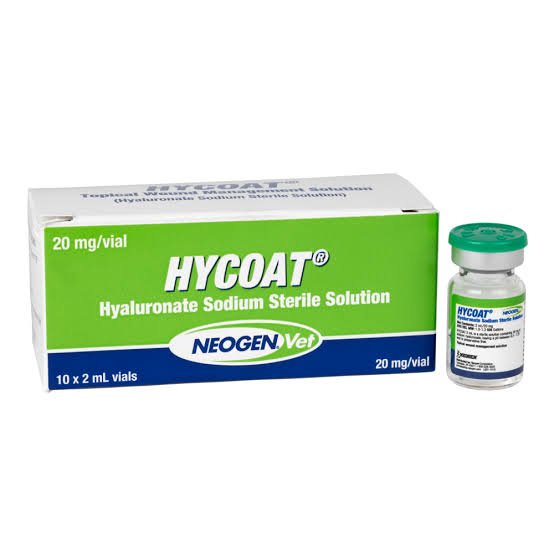
U.S. Food and Drug Administration has issued warning letters to Neogen Corporation and Sciarra Aeromed following an investigation into fungal contamination associated with Neogen Vet HYCOAT, a veterinary hyaluronate sodium solution labelled as sterile.
The FDA investigation linked the product to serious infections in more than 95 horses, with at least 20 horses euthanized, according to reports citing the regulatory investigation. Neogen had initiated a voluntary recall of HYCOAT in January 2026.
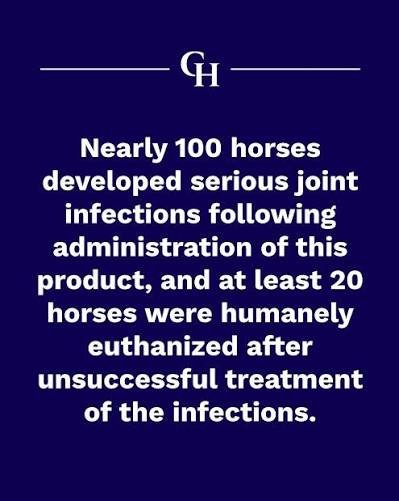
FDA testing identified multiple fungal species in a tested lot, including Purpureocillium lilacinum. The incident has raised significant concerns around sterile-product manufacturing, contamination control and quality-system oversight.
Regulatory and Manufacturing Significance
The case is particularly important because HYCOAT was labelled as a sterile veterinary product. Sterility failures can create substantially greater clinical risks when contaminated products are administered to animals with wounds or compromised tissue.
The FDA warning letters reportedly identify deficiencies associated with manufacturing controls and quality systems at the relevant facilities.
Industry Implications
The event demonstrates the downstream consequences that can arise when a sterile veterinary product moves through a complex manufacturing and supply chain.
For veterinary pharmaceutical companies and contract manufacturers, the case reinforces the importance of:
-
validated sterilisation and aseptic processes;
-
environmental monitoring;
-
supplier qualification;
-
lot-release testing;
-
complaint and adverse-event surveillance; and
-
rapid recall mechanisms.

