


FDA-approved redesigned formulation expands dosing flexibility for canine osteoarthritis and postoperative pain
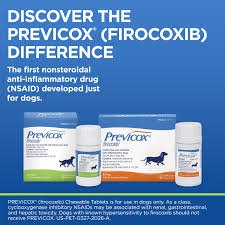
Boehringer Ingelheim Animal Health has introduced a redesigned PREVICOX (firocoxib) chewable tablet in the United States following approval by the U.S. Food and Drug Administration.
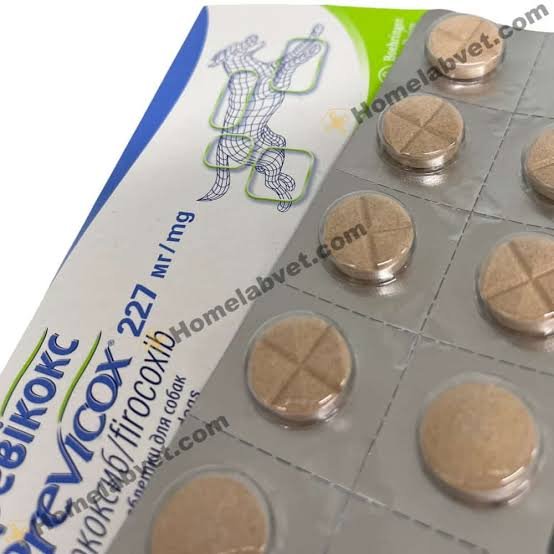
The new Quarterable Snap-Tab design is double-scored, allowing veterinarians to divide the tablet into quarters and create more precise dosing options according to a dog’s body weight. The reformulation does not change the active pharmaceutical ingredient or the full-tablet strengths.
The available strengths remain:
-
57 mg
-
227 mg
Why the change matters
Firocoxib is a selective COX-2 NSAID used in dogs for control of pain and inflammation associated with osteoarthritis and postoperative soft-tissue or orthopaedic surgery.
The redesigned tablet enables veterinarians to use smaller dose increments. Boehringer says the new design can facilitate prescribing for dogs as small as approximately 7 pounds, broadening practical dosing flexibility.
This is particularly relevant in companion-animal medicine, where body-weight differences can be substantial even within a single species.
Convenience becomes part of therapeutic value
The innovation is not simply pharmaceutical. The tablet is designed to improve the practical experience of: veterinarian → owner → animal.
Easier tablet division can potentially reduce the difficulty of matching tablet strength to animal weight. The company is also changing the packaging.
Once divided, the tablet can be stored in its container for up to one month, according to the manufacturer. Boehringer is also moving to a new standard round bottle and removing cotton from the packaging.
Sustainability angle
The company positions the packaging redesign partly as a sustainability initiative. Quartering tablets can reduce unused product, while changes to packaging may reduce material use and supply-chain complexity.
The sustainability benefit should nevertheless be viewed as secondary to the principal clinical objective: more flexible dosing.
Companion-animal market significance
The PREVICOX redesign illustrates an important feature of the mature companion-animal pharmaceutical market. Innovation is increasingly occurring not only through new molecular entities, but also through:
-
formulation;
-
dose flexibility;
-
administration;
-
adherence;
-
packaging;
-
convenience;
-
product lifecycle management.
For chronic diseases such as osteoarthritis, these factors can have meaningful commercial consequences. The companion-animal sector is increasingly behaving like human chronic-care markets, where the total treatment proposition includes the medicine, delivery mechanism and patient/owner experience.
Competitive implications
The strategic challenge for established veterinary pharmaceutical companies is therefore to extract additional value from mature molecules. A differentiated tablet design can extend product relevance while:
-
broadening the addressable patient population;
-
improving prescribing flexibility;
-
supporting adherence;
-
reducing wastage;
-
strengthening veterinarian relationships.

