US Food and Drug Administration’s Center for Veterinary Medicine is currently listing three veterinary product recalls involving dog supplements, raw pet food and feline milk replacers.
The recalls highlight ongoing food-safety risks in pet supplements, raw diets and milk-replacer products, and are relevant to pet-food manufacturers, retailers, veterinarians and pet owners.
1. Fi recalls dog supplements over possible Salmonella contamination
Fi has recalled supplements for dogs because of possible Salmonella contamination. The recall announcement was listed by the FDA recently.
Salmonella can affect both animals and people. In pets, exposure can cause vomiting, diarrhoea, fever, lethargy and reduced appetite. People handling contaminated products can also become ill, particularly if they do not wash their hands after contact.
2. Northwest Naturals recalls two raw pet-food products
Northwest Naturals has voluntarily recalled two raw pet-food products because of possible Salmonella and Listeria monocytogenes health risks.
Listeria monocytogenes can cause serious illness in people and animals. Pets consuming contaminated food may show vomiting, diarrhoea, fever, muscle pain or reduced activity. People handling the products, particularly those who are pregnant, elderly, immunocompromised or otherwise vulnerable, should avoid direct contact with potentially contaminated food and wash hands thoroughly.
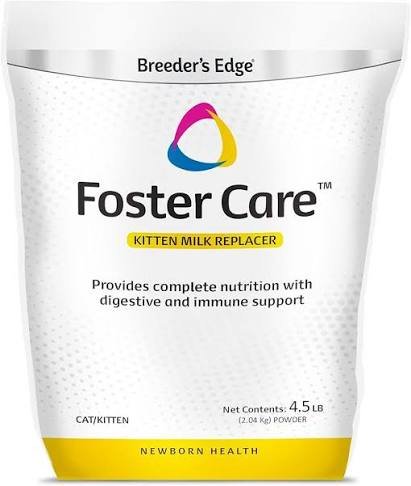
3. Revival Animal Health recalls feline milk replacers
Revival Animal Health, LLC has voluntarily recalled feline milk replacers because of inconsistent levels of vitamins and trace minerals.
Inconsistent nutrient levels can be particularly concerning for kittens, which rely on milk replacers when maternal milk is unavailable or insufficient. Vitamin and trace-mineral imbalances may affect growth, development and overall health.
What pet owners and retailers should do
Pet owners who have purchased any affected products should stop using them, follow the specific recall instructions provided by the manufacturer or retailer, and contact a veterinarian if their pet develops illness after consuming the product.
Retailers and distributors should check inventory, isolate affected lots, notify customers where applicable, and follow the manufacturer’s recall and disposal instructions. The FDA encourages consumers, veterinarians and industry to report problems with animal drugs, food and devices.