


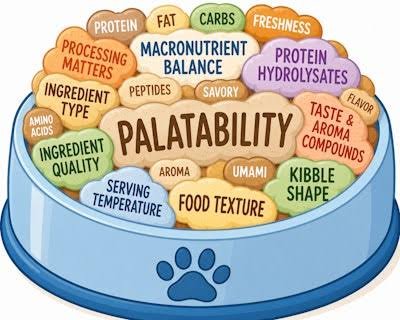
AIMARGUES, France — In a specialized research center nestled in Aimargues, France, a feline panelist steps up to two automated bowls placed on digital scales. Nutritionists monitor through glass panels and cameras, recording every bite, choice, and post-meal grooming behavior.
This meticulous setup is part of a multi-million-dollar push by global pet-food leaders—including Royal Canin and Mars’ Waltham Petcare Science Institute—to decode the science of pet palatability. Driven by rising demand for ultra-premium products and specialized formulations for senior pets, companies are turning sensory science into a primary growth engine.
Inside the Lab: The Science of Taste and Preference
Unlike humans, who possess around 9,000 taste buds, dogs have approximately 1,700 and cats just 475. Yet, feline palate preferences are notoriously complex.
At the Royal Canin Aimargues center, roughly 160 resident cats and dogs participate in controlled feeding trials designed to measure texture, aroma, density, and mouthful ergonomics.
-
Dual-Tray Testing: Two trays of kibble sit atop precision scales that log real-time consumption velocity and preference ratios.
-
Observational Metrics: Researchers document behavioral cues alongside nutritional outcomes, stool quality, and overall digestibility.
-
Flavor Profile Discovery: Research from parent company Mars revealed that cats can detect umami receptors, explaining the high appeal of tuna and savory animal proteins, while their sensitivity to bitterness remains intact even as overall taste sensitivity fades with age.
Target Demographics: Tailored Solutions for Senior Pets
The shift toward science-backed palatability is heavily influenced by the aging demographic of domestic pets, particularly the wave of companions adopted during the pandemic boom.
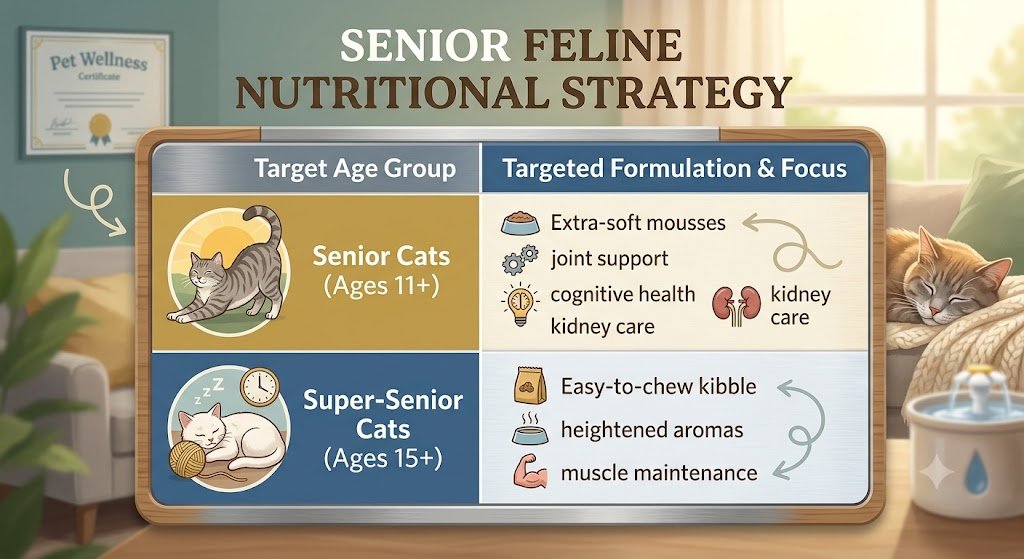
As pets age, dental deterioration, joint pain, and declining olfactory acuity make eating difficult or unappealing. In response, nutritionists are formulating:
-
Age-Specific Textures: Extra-soft mousses tailored for cats aged 11 and older to aid dental comfort.
-
Ergonomic Kibble: Highly aromatic, easily breakable dry food engineered for super-seniors aged 15 and up.
-
Functional Benefit Diets: Formulations infused with targeted additives for muscle retention, joint mobility, and cognitive health.
Market Dynamics: Resilient Spending in a Premiumizing Market
The pet care market continues to demonstrate resilience against broader macroeconomic headwinds. Despite inflation and shifting consumer confidence, spending on companion animals remains insulated as owners view pets as core family members.
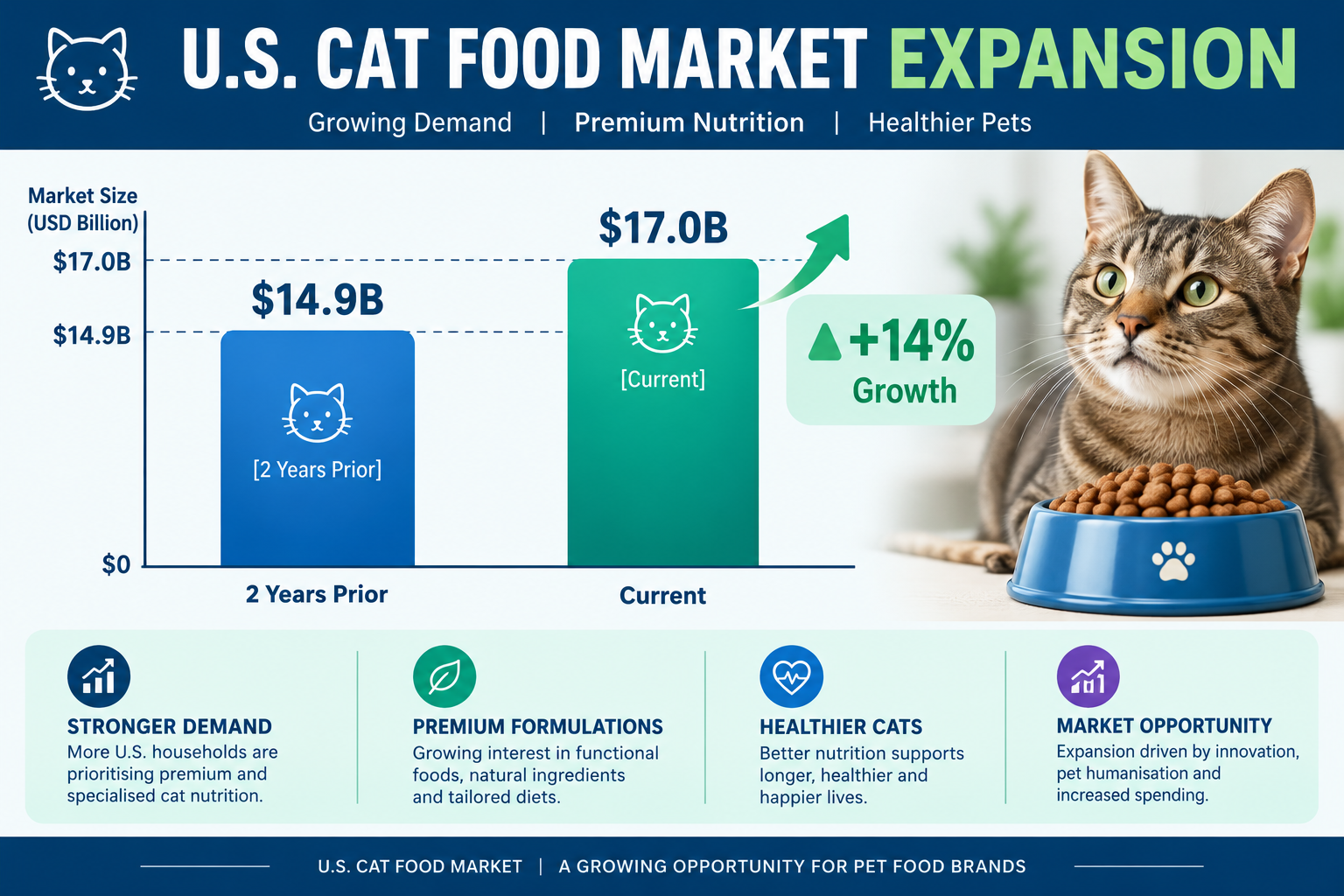
In the United States alone, consumers spent over $17 billion on cat food over the past year, reflecting a 14% increase compared to two years earlier. This spending surge underlines a growing willingness among owners to invest in health-tailored, premium-grade products that cater to their pets’ specific tastes and medical needs.

