


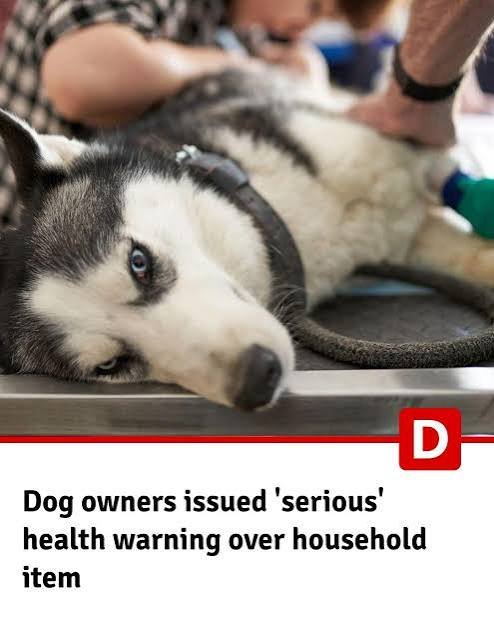
UK veterinary toxicology helplines have issued urgent alerts following a 42% spike in emergency calls regarding pets ingesting recreational drugs and nicotine.
Veterinary surveillance networks across the United Kingdom have updated emergency treatment guidance following a spike in canine admissions linked to accidental toxin ingestion. The alert highlights a sharp increase in canine toxicosis caused by high-potency recreational cannabis products (edibles, concentrates, and discarded plant material) and synthetic oral nicotine pouches left in public spaces.
Emergency clinicians and critical care facilities are urged to familiarize themselves with early neurological and cardiovascular presentations, establish rapid diagnostic pathways, and prepare early intervention protocols—including Intravenous Lipid Emulsion (ILE) therapy—for severe intoxication cases
Data shared by the Veterinary Poisons Information Service (VPIS) and the Animal PoisonLine (APL) shows that the services handled 633 drug-related pet emergencies in 2025 (averaging nearly one per day), up from 445 cases in 2024. Experts warn that 2026 is on track to set another record.
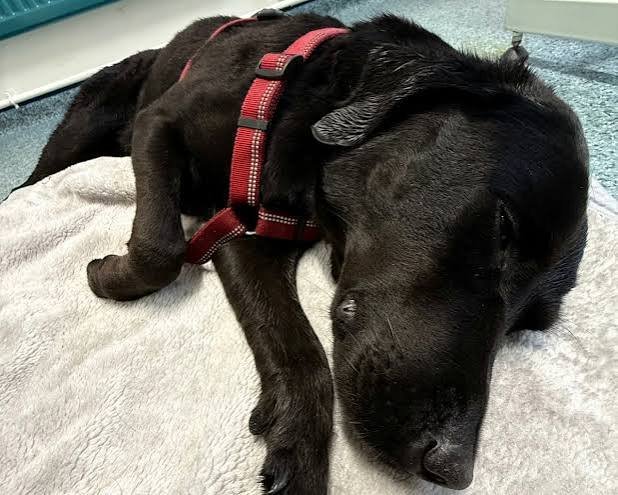
Key Drivers of the Surge
-
- Common Toxins: Cannabis and nicotine products (including vape liquid and nicotine gum) make up the vast majority of cases. Incidents involving cocaine and psychedelic (magic) mushrooms are also frequently reported.
- Urban Exposure Hotspots: Dogs are primarily picking up these toxins while out walking in public spaces like urban parks, alleyways, and cemeteries. However, cases have also emerged in rural areas and hiking trails.
- High-Risk Behaviors: Dogs—particularly food-motivated breeds like Labradors, Golden Retrievers, and Beagles—are ingesting discarded drug paraphernalia, drug-laced food remnants, or directly consuming the vomit and feces of drug users.
Clinical Presentation & Symptoms
Cannabis poisoning, in particular, triggers severe neurological and systemic changes in canines. Clinicians and owners are advised to monitor for:
-
- Ataxia (swaying, stumbling, or loss of coordination)
- Altered mentation (disorientation or “zoning out”)
- Lethargy or severe depression
- Urinary incontinence
- Bradycardia (abnormally slow heart rate) and hypothermia
Veterinary Guidance

