HomePoultryNewcastle Disease Confirmed at 2 Poultry Farms in Hungary, Triggering Depopulation and...

Newcastle Disease Confirmed at 2 Poultry Farms in Hungary, Triggering Depopulation and Movement Controls

Hungary confirms Newcastle disease in turkey and broiler flocks in Vas county

BUDAPEST, 2 November 2026 — Newcastle disease has been confirmed at two commercial poultry farms in Vas county, western Hungary, prompting flock depopulation, epidemiological investigations and the establishment of protection and surveillance zones.

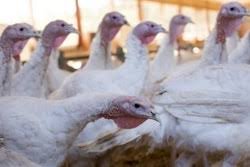
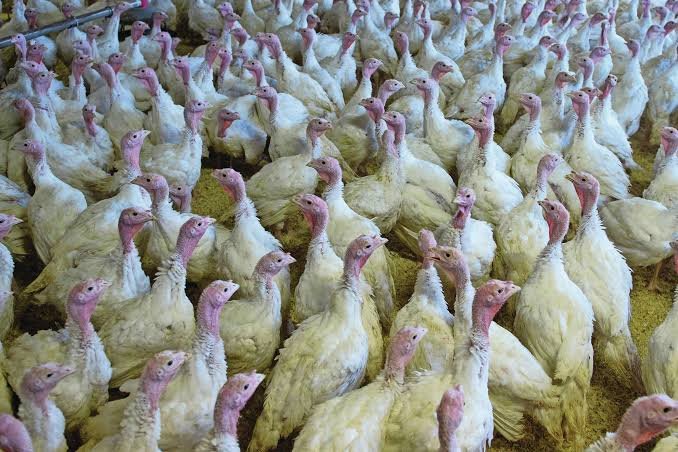
According to reporting by Zootecnica International, Hungary’s National Food Chain Safety Office, Nébih, confirmed the virus at a turkey-fattening farm near Jákfa housing approximately 17,000 birds and a broiler farm near Rábapaty containing around 10,000 birds. Laboratory confirmation was reported on 26 October, with the news published on 2 November in Zootecnica | Poultry Magazine

The two holdings therefore contained approximately 27,000 birds combined. This figure represents the reported flock sizes, not a confirmed final mortality or culling total.

Emergency response and disease-control zones

Hungary’s chief veterinary officer ordered the depopulation of both flocks, while authorities established a 3-kilometre protection zone and a 10-kilometre surveillance zone around the affected farms.

The response is intended to limit onward transmission, support tracing and identify holdings that may have been exposed. Newcastle disease is a highly contagious viral infection that can cause serious illness, mortality and substantial economic losses in susceptible poultry populations.

The investigation follows earlier detections in Hungary during 2026. The precise national outbreak total requires care: the available reports and outbreak-register entries differ, partly because secondary cases may be recorded separately.

Why Newcastle disease matters commercially

An outbreak can create costs well beyond the affected premises. Depopulation, cleaning, disinfection, movement restrictions, surveillance and production interruption can affect poultry integrators, independent producers, hatcheries, transport operators and downstream supply chains.

Trade consequences may arise when importing countries introduce restrictions on poultry or poultry products from affected areas. The actual effect depends on destination-country rules, the geographic scope of restrictions and applicable regionalisation arrangements.

Biosecurity and vaccination remain central

Nébih has stressed compliance with vaccination and disease-control requirements and the prompt reporting of unusual mortality or clinical signs. Commercial poultry operators should maintain farm-specific biosecurity plans, control visitors and equipment movements, and follow veterinary instructions regarding flock management.

Vaccination is an important component of prevention, but it does not eliminate the need for surveillance and other control measures.

Industry takeaway

The Hungarian detections underline the continuing importance of Newcastle disease prevention in European poultry production. The immediate priorities are containment, traceability, effective biosecurity and transparent reporting of subsequent investigation results.

Animal Health India Editorial Team
Animal Health India Editorial Teamhttps://animalhealthindia.com
Animal Health India (AHI) is an independent news and intelligence platform covering the global animal health, veterinary, livestock, poultry, companion animal and pet food sectors. Our editorial team comprises veterinary journalists, animal health professionals, regulatory affairs specialists and industry analysts with over 30 years of combined experience covering India, Asia, Europe and North America. AHI publishes news, regulatory updates, market intelligence and company news drawn from primary sources including DAHD, EMA, USDA, AVMA and leading veterinary publications worldwide.

RELATED ARTICLES