



Merck Animal Health, known as MSD Animal Health outside North America, has reportedly introduced Allflex® Link, a next-generation cattle identification and monitoring reader designed to strengthen the integration of electronic animal identification with digital livestock management systems.
The new device builds on the company’s existing AWR300 reader platform and seeks to simplify the process through which cattle producers identify individual animals, access monitoring information and connect animal-level records with farm management applications.
The development reflects a broader transition in the global livestock industry: moving from conventional animal identification towards integrated, data-driven herd management.
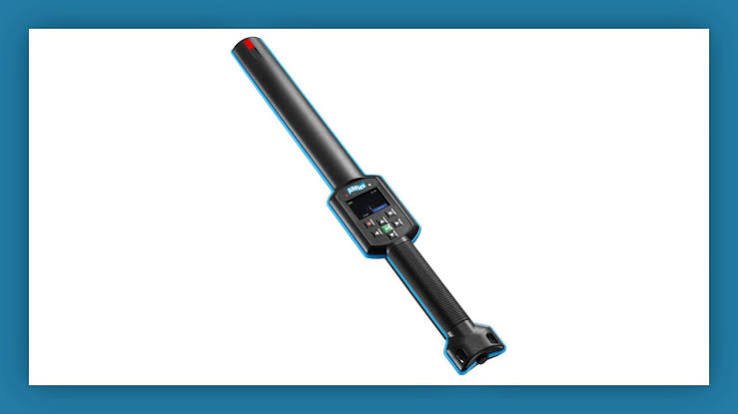
RFID and NFC integration: Bringing identification and monitoring together
The central technological feature of Allflex Link is its integration of two complementary communication technologies:
-
Radio Frequency Identification (RFID): Enables electronic identification (EID) of individual cattle carrying compatible electronic identification tags.
-
Near-Field Communication (NFC): Supports pairing with compatible SenseHub cattle monitoring solutions and the Allflex Connect farm data application.
This combination is intended to reduce the operational friction associated with connecting an animal’s physical identity to its digital health and management records.
For producers, individual animal identification is increasingly important for maintaining reliable records covering breeding, disease events, vaccination, treatment, productivity and movement. When integrated with monitoring platforms, this information can help farmers move beyond periodic visual observation towards more continuous animal-level monitoring.
Why this development matters for dairy and beef producers
The value of connected identification systems extends beyond simply knowing which animal is in a particular pen. In dairy operations, digital monitoring can support the management of:
-
Reproductive performance and breeding cycles.
-
Changes in activity and behavioural patterns.
-
Health alerts and potential disease events.
-
Individual animal productivity.
-
Treatment and intervention histories.

