


Global protein producer JBS has completed a US$150 million investment in a joint venture with Oman Food Capital, establishing a multiprotein production platform in Oman covering poultry, beef and lamb.
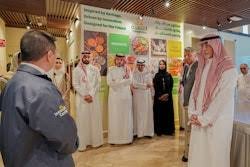
Announced on 19 November 2026, the transaction gives JBS an 80% stake in a newly established food holding company, with Oman Food Capital holding the remaining 20%. Oman Food Capital is the food and agribusiness investment arm of the Oman Investment Authority. The transaction is a significant step in JBS’s strategy to expand its geographic presence, diversify across protein categories and strengthen its proximity to Middle Eastern consumer markets.
Two major production assets brought together
The joint venture consolidates two Omani production assets:
-
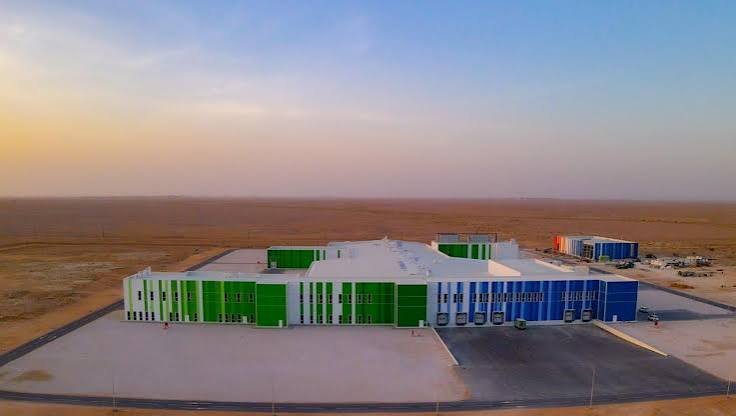
A’Namaa Poultry: An integrated poultry facility in the Ibri region of northern Oman.
-
Al Bashayer: A beef and lamb processing facility in Thumrait in southern Oman.
JBS’s investment will be directed primarily towards completing the integrated poultry plant and the beef and lamb processing facility. The company expects the combined operation, following the planned investments, to reach approximately 300,000 tonnes of annual production capacity. The projected daily processing capacity is approximately:
| Protein | Expected daily processing capacity |
|---|---|
| Cattle | 1,000 head |
| Lambs | 5,000 head |
| Chickens | 600,000 birds |
The operation is also expected to generate more than 3,000 direct jobs in Oman over the next five years. These are projected capacities and employment outcomes following completion of the planned investment, not necessarily current operating volumes.
Why Oman is strategically important
Oman’s location provides access to regional consumer markets across the Gulf and wider Middle East. The country’s Vision 2040 development strategy also places importance on food security, industrial development and diversification.
The joint venture is intended to strengthen local food production while positioning Oman as a production and export platform for halal protein products. For JBS, the investment provides several strategic advantages:
-
Geographic diversification: Greater production presence in the Middle East.
-
Protein diversification: Exposure to poultry, beef and lamb through one integrated platform.
-
Market proximity: Production closer to important regional consumer markets.
-
Local partnerships: Cooperation with an investment entity linked to the Omani sovereign investment system.
-
Export potential: A platform for supplying halal products to multiple international markets.
Implications for poultry and livestock supply chains
The poultry component is particularly important because integrated poultry production requires coordination across breeding, feed, hatchery, grow-out, processing, cold-chain logistics and distribution. The proposed daily processing capacity of 600,000 chickens would represent a substantial industrial operation once fully established.
The beef and lamb components provide additional diversification. Combining several protein categories may create economies of scale in procurement, processing infrastructure, logistics and customer distribution, although the extent of those efficiencies will depend on execution.
For animal-health companies, the expansion could create opportunities across several product categories:
-
Poultry vaccines and hatchery health programmes.
-
Biosecurity and disinfection products.
-
Veterinary diagnostics.
-
Feed additives and nutritional solutions.
-
Cattle and small-ruminant vaccines.
-
Parasite-control products.
-
Animal welfare and production-monitoring technologies.

