


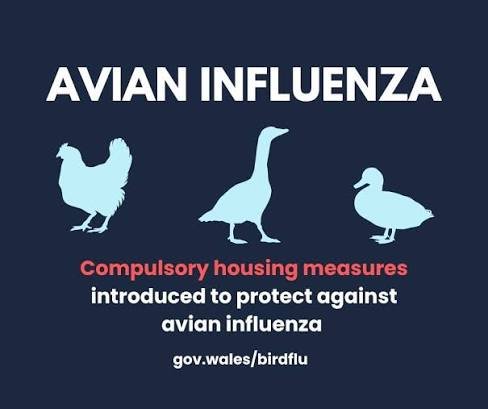
Wales Enforces Compulsory Poultry Housing Order as Great Britain Battles Heightened Bird Flu Risk
Poultry keepers and captive bird owners across Wales are operating under strict new compulsory housing regulations following an escalation in avian influenza activity across Great Britain. Under an updated Avian Influenza Prevention Zone (AIPZ) enforced by the Welsh Government in coordination with the Department for Environment, Food & Rural Affairs (DEFRA) and the Animal and Plant Health Agency (APHA), all keepers managing 50 or more birds—regardless of species—are legally required to house their flocks indoors or within fully enclosed netting.
The regulatory tightening, which came into force at 12:00 pm on Monday, November 23, 2026, brings Wales into full alignment with existing housing mandates across England and Northern Ireland.
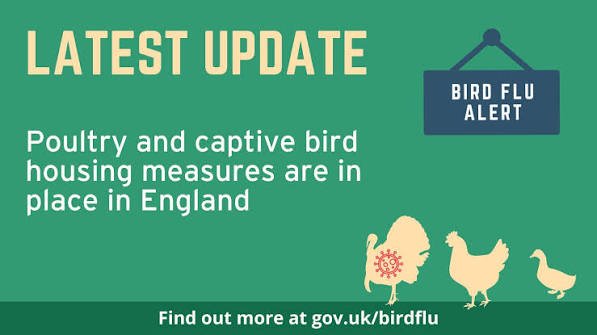
While the baseline 50-bird threshold targets commercial and medium-scale holdings, Welsh authorities emphasized that smaller backyard flocks are not exempt if eggs, meat, or live poultry products are sold or given away. In effect, any commercial or semi-commercial producer must sever physical contact between domestic poultry and wild migratory waterfowl, which serve as the primary natural reservoir for highly pathogenic avian influenza (HPAI).
The compulsory housing rule builds upon the all-Wales AIPZ originally declared on November 16, 2026. That earlier order mandated heightened biosecurity protocols, including compulsory disinfection footbaths at shed entrances, strict visitor logs, rodent and wild-bird proofing of feed and water stores, and mandatory cleansing of vehicles and equipment moving between premises. By layering physical housing onto those biosecurity baselines, animal health officials aim to prevent wild bird droppings and contaminated surface water from introducing HPAI into domestic flocks.
The decision reflects a deteriorating epidemiological picture across Great Britain during the autumn migration window. Veterinary surveillance confirmed multiple commercial HPAI H5N1 outbreaks over the preceding weekend—including premises in North Yorkshire and Norfolk—alongside widespread detections in wild birds across the British Isles. APHA risk assessments currently classify the probability of HPAI incursion into kept poultry at “high” on premises where biosecurity standards fall below optimal levels, and “low to medium” even where strict biosecurity is maintained.
Plans to Contain Spread of Bird Flu
In a sign that targeted disease control operations can still successfully extinguish localized outbreaks when containment holds, DEFRA simultaneously confirmed the revocation of the 10-kilometre surveillance zone surrounding a previously infected premises near Belford in North Northumberland. Following the completion of humane culling, preliminary and secondary cleansing and disinfection, and negative clinical and laboratory surveillance across neighboring holdings, restrictions in the Belford zone were lifted, restoring normal poultry and hatching-egg movements for producers in that corridor.
Implications for British Poultry Farmers
For British egg and poultry meat producers, however, the return of mandatory housing brings immediate operational and commercial consequences.
Free-range egg producers operate under European and UK marketing standards that allow eggs from housed hens to retain their “free-range” retail label during government-mandated veterinary housing orders—a crucial safeguard that prevents sudden farm-gate price collapses.
Even so, transitioning free-range flocks indoors requires rapid adjustments to barn ventilation, litter management, enrichment, and stocking density to prevent pecking, heat stress, and secondary bacterial infections.
Welsh Government officials stated that the mandatory housing order will remain in force until further notice and will undergo continuous epidemiological review alongside APHA and the chief veterinary officers of the UK’s devolved administrations.
Poultry keepers across Great Britain have been urged to monitor flock water and feed intake daily, maintain strict footwear changes before entering bird houses, and report any unexplained drop in egg production or sudden mortality immediately to veterinary authorities.

