


Equine Strangles Outbreak Confirmed in Ontario’s Temiskaming District Amid Broader North American Alerts
Veterinary authorities in Ontario, Canada, have issued an official disease outbreak alert after confirming a case of equine strangles (Streptococcus equi subspecies equi) at a horse facility in the District of Temiskaming. Published through the Equine Disease Communication Center (EDCC) and the Ontario Ministry of Agriculture, Food and Agribusiness (Alert ID: 5471; Outbreak ID: 7899), the notice confirms infection in an adult Paint mare alongside three additional exposed horses on the affected farm.
Details of the Case
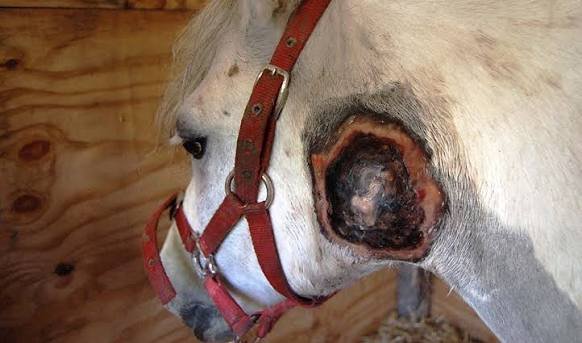
According to clinical surveillance records, the index mare first exhibited signs on November 10, 2026, presenting with a clear serous nasal discharge that rapidly progressed to thick, yellow mucopurulent discharge. Accompanying clinical findings included a mild cough, dysphagia (difficulty swallowing), pyrexia reaching 39.3°C, and mild swelling and tenderness of the submandibular lymph nodes—classic hallmark symptoms of acute Streptococcus equi infection.
The Temiskaming confirmation marks the third laboratory-confirmed strangles incident reported across Ontario within the past 30 days, underscoring persistent autumn transmission risks as horses move into enclosed winter boarding and training barns. It also follows closely behind a separate strangles alert issued on November 21 in Dane County, Wisconsin (Alert ID: 5470), where two unvaccinated geldings—a 10-year-old Mustang and a 13-year-old Miniature Horse—developed nasal discharge and submandibular lymph node abscesses before recovering under quarantine.

Implications for Canada
Equine strangles is among the most contagious bacterial respiratory diseases affecting horses, donkeys, and mules worldwide. While mortality rates are generally low when uncomplicated cases receive supportive veterinary care, morbidity within susceptible barns can approach 100%, causing prolonged quarantine disruptions, training losses, and severe complications such as guttural pouch empyema, “bastard strangles” (metastatic internal abscesses), or immune-mediated purpura haemorrhagica. Crucially, roughly 10% of recovered horses become silent, long-term carriers harboring S. equi in their guttural pouches, capable of seeding fresh outbreaks months later unless cleared via endoscopic guttural pouch lavage and PCR testing.
Ontario veterinary officials have advised horse owners, boarding stables, and haulers across northern Ontario to implement strict biosecurity measures: isolating any newly arrived or febrile horses for at least 21 days, avoiding shared water troughs, buckets, and grooming tack, disinfecting stalls and trailers with phenolic or quaternary ammonium disinfectants after organic matter removal, and monitoring rectal temperatures twice daily on exposed premises.
The Ontario strangles notice arrives amid heightened cross-border animal health vigilance across North America. Late last week, the U.S. Department of Agriculture’s Animal and Plant Health Inspection Service (USDA-APHIS) issued multiple official quarantine alerts (Alert IDs: 5462–5469) for New World Screwworm (Cochliomyia hominivorax) detections in Eddy County, New Mexico, reinforcing the critical role of rapid digital disease reporting systems like the EDCC in containing both endemic bacterial infections and high-consequence transboundary parasites.

