


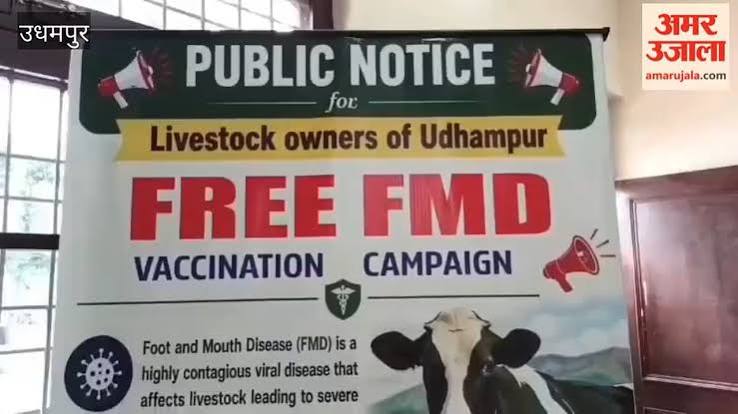
Veterinary teams are taking free foot-and-mouth disease vaccination directly to livestock farmers as India pushes towards its 2030 FMD eradication goal
BIHAR, INDIA: India is taking foot-and-mouth disease vaccination closer to livestock farmers, with veterinary teams carrying out field-based vaccination of cattle and buffaloes as part of the country’s wider disease control programme.
A 45-day vaccination campaign in Barari block of Katihar district, Bihar, is taking FMD vaccination to villages and livestock-owning households. The local drive covers 22 panchayats and targets eligible cattle and buffaloes.
The campaign reflects a much bigger national effort: vaccinate animals at scale, repeatedly, and improve last-mile coverage in India’s villages.
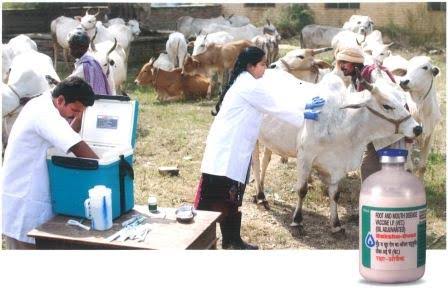
Why foot-and-mouth disease remains a major threat to Indian farmers
Foot-and-mouth disease, commonly called FMD, is a highly contagious viral disease affecting cattle, buffaloes, sheep, goats and pigs.
For farmers, the biggest impact is often economic. FMD can reduce milk production, slow animal growth, affect fertility and reduce the working ability of bullocks. The disease can also create barriers to international trade in livestock products.
This makes FMD control particularly important for India, where millions of rural households depend on dairy and livestock for regular income.
India’s FMD outbreaks fall from 132 to 32
Official government data show clear progress. The number of reported FMD outbreaks in India fell from 132 in 2019 to 32 in 2025, according to the Department of Animal Husbandry and Dairying.
The latest available post-vaccination assessment also reported an average 70% seroconversion rate, a measure used to assess the immune response after vaccination.
At the same time, the prevalence of antibodies linked to FMD virus infection fell from 16% during 2021–23 to 7.8% in the latest available assessment.
These figures suggest that India’s FMD control programme is making progress, although continued vaccination and monitoring remain necessary.
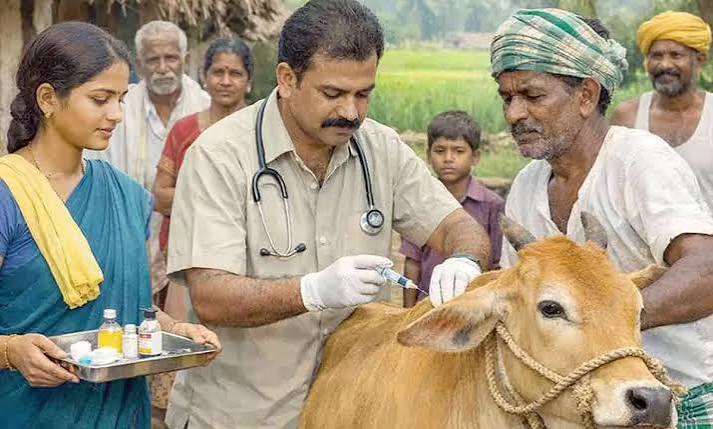
Door-to-door vaccination can help close the last-mile gap
India’s FMD programme is built around repeated mass vaccination. Under the National Animal Disease Control Programme, susceptible cattle, buffaloes, sheep, goats and pigs are targeted for vaccination against FMD at six-month intervals. The programme also includes animal identification, vaccination records, disease monitoring and testing before and after vaccination.
Taking vaccines directly to farms and households can be particularly important in rural areas.
Small livestock owners may have only one or two animals. Travelling to a veterinary centre can mean losing work time, arranging transport and moving animals over long distances. A village-level vaccination team removes many of these practical barriers.

