


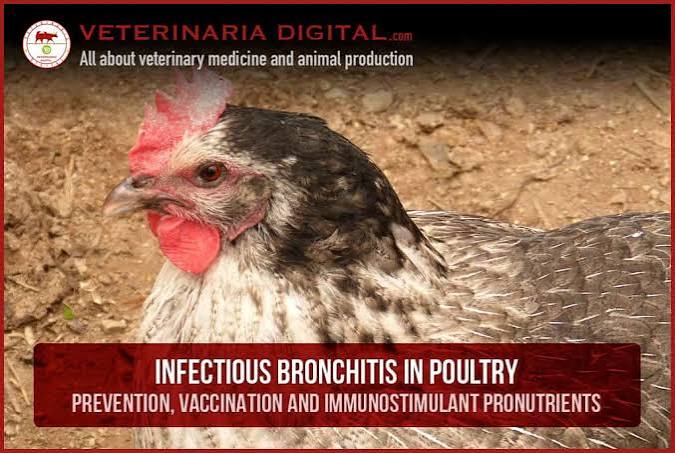
New IBV strains linked to severe egg production losses highlight the need for continuous surveillance, vaccine matching and stronger farm biosecurity.
Unusual Clinical Signs Reported in Layer Flocks
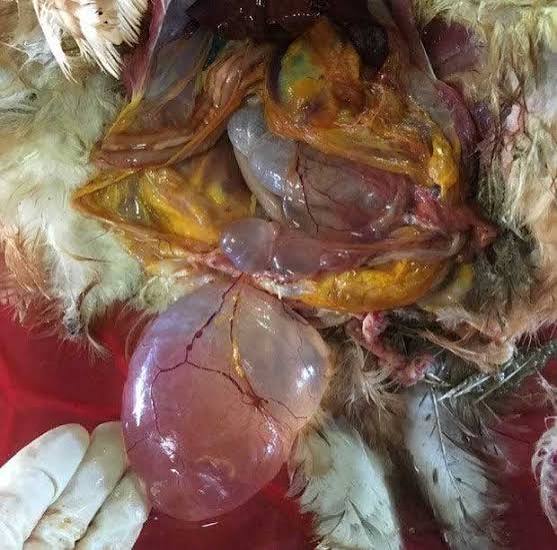
According to reports from Indonesia, affected commercial layer farms have experienced a syndrome described as “penguin-like disease.” Birds develop fluid accumulation within the oviduct, accompanied by marked declines in egg production and the appearance of thin-shelled, soft-shelled or shell-less eggs. These reproductive problems can significantly reduce flock productivity and profitability.
While respiratory disease remains the classic presentation of IBV infection, many modern field strains also affect the kidneys and reproductive tract, making the disease far more complex than a simple respiratory infection. The diversity of clinical signs often complicates diagnosis and highlights the importance of laboratory confirmation.
Why Infectious Bronchitis Virus Remains a Challenge
IBV belongs to the avian gammacoronavirus group and infects chickens worldwide. The virus spreads quickly through respiratory secretions, contaminated equipment, feed, water and personnel movement. Because IBV is an RNA virus, it mutates readily, leading to the continual emergence of new variants and genotypes that may differ from strains included in commercial vaccines.
This ongoing viral evolution explains why infectious bronchitis remains difficult to control despite decades of vaccination. Even well-managed poultry farms can experience outbreaks if circulating field strains differ substantially from vaccine strains.
Vaccine Matching Is Becoming Increasingly Important
One of the primary objectives of the Indonesian investigation is to determine whether currently circulating IBV variants remain closely related to the vaccine strains used in commercial poultry operations.
Previous molecular studies conducted in Indonesia demonstrated that multiple IBV lineages, including strains related to the internationally recognized 4/91 and 233A vaccine lineages, have circulated within commercial poultry populations. Other studies have also identified QX-like variants, which have become important causes of disease in layer and breeder flocks. These findings emphasize that IBV populations continue to evolve, making periodic surveillance essential for selecting appropriate vaccination strategies.
Effective vaccine programs depend not only on proper administration but also on choosing vaccine strains that provide the closest possible protection against locally circulating viruses.
Economic Impact Extends Beyond Bird Health
The financial consequences of infectious bronchitis extend well beyond mortality. In layer operations, IBV can result in:
-
Significant declines in egg production
-
Poor shell quality
-
Misshapen or shell-less eggs
-
Reduced hatchability in breeder flocks
-
Increased veterinary and management costs
-
Lower overall flock performance
For commercial poultry producers, even temporary reductions in production can translate into substantial economic losses, particularly in large-scale integrated operations.
Surveillance Is Essential for Sustainable Disease Control
Researchers emphasize that continuous molecular surveillance remains one of the most effective tools for managing infectious bronchitis. Sequencing circulating viruses enables scientists to:
-
Identify newly emerging variants
-
Track geographic spread
-
Compare field viruses with vaccine strains
-
Support evidence-based vaccine selection
-
Improve regional disease preparedness
As poultry production systems become more intensive and interconnected, routine surveillance has become increasingly important for maintaining flock health and minimizing production losses.
Biosecurity Remains the First Line of Defence
While vaccination remains a cornerstone of IBV control, experts continue to stress that vaccines work best when combined with comprehensive biosecurity measures. Key recommendations include:
-
Restricting unnecessary farm access
-
Thorough cleaning and disinfection of facilities and equipment
-
Preventing movement of contaminated vehicles and personnel between farms
-
Monitoring flock health for early signs of disease
-
Rapid laboratory diagnosis of suspected outbreaks
-
Regular review of vaccination programs based on circulating strains

 variants affecting commercial layer, vaccine matching, biosecurity are critical)