


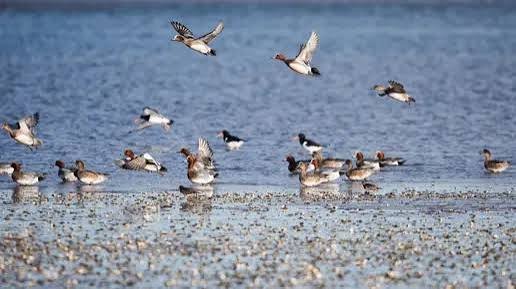
UK avian influenza surveillance records highlight continuing poultry-health risks
The United Kingdom’s latest animal-disease surveillance records include multiple highly pathogenic avian influenza (HPAI) entries dated 30 October 2026, covering domestic birds, wild birds and mixed-host categories. One domestic-bird entry records 1,166 birds, while another records 7 birds. Additional records include wild-bird entries involving 1, 3 and 10 birds, as well as mixed-host surveillance reports.
The entries demonstrate continuing HPAI surveillance activity across different host categories. However, the date attached to a surveillance record should not automatically be interpreted as the date on which infection began or was first detected. The figures are source-reported event records and should be interpreted in the context of the underlying reporting period.
What the latest surveillance data show
Surveillance category |
Reported entries |
|---|---|
Domestic birds |
1,166 birds in one entry; 7 in another |
Mixed-host reporting |
16 outbreaks / 27 cases |
Wild birds |
Multiple entries, including 3/3 and 8/10 records |
Additional wild-bird records |
Individual entries also recorded |
The dataset draws on international animal-health reporting systems, including the World Organisation for Animal Health’s World Animal Health Information System (WAHIS) and FAO’s EMPRES-i platform.
Recent Outbreaks & Status
- Northumberland (October 20, 2026): HPAI H5N1 was confirmed at a commercial poultry farm near Belford in North Northumberland, England
- Isle of Lewis (October 2, 2026): HPAI H5N5 was detected in commercial backyard poultry in Ness on the Isle of Lewis, Scotland, marking the first outbreak of the season
- Containment Zones: A 3km protection zone and a 10km surveillance zone have been established around the affected premises, with mandatory housing for poultry inside the protection zone
-
Disease-Free Status: Because of these detections, Great Britain has lost its official status as free from highly pathogenic avian influenza
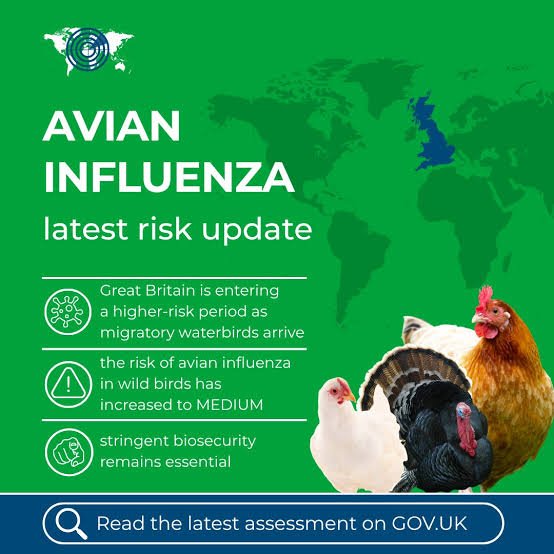
Why wild-bird surveillance matters
Wild birds are an important component of avian influenza epidemiology. Migratory movements, environmental contamination and interactions between wild birds and domestic poultry can influence the geographical spread and introduction of infection.
For commercial poultry producers, the principal operational priorities remain:
-
Preventing direct and indirect contact between domestic poultry and wild birds.
-
Protecting feed, water and bedding from wild-bird contamination.
-
Maintaining controlled access to poultry houses.
-
Strengthening vehicle, equipment and personnel hygiene.
-
Monitoring mortality, feed intake, water consumption and egg-production changes.
-
Reporting suspicious disease events promptly through the appropriate veterinary authorities.

