


European Animal Health Companies Continue Investing in the Future of Pet Healthcare
Europe’s leading animal health companies are maintaining strong investment in companion animal biologics, artificial intelligence (AI)-enabled diagnostics and preventive veterinary medicine, even as some countries report softer veterinary clinic visits and increased consumer price sensitivity.
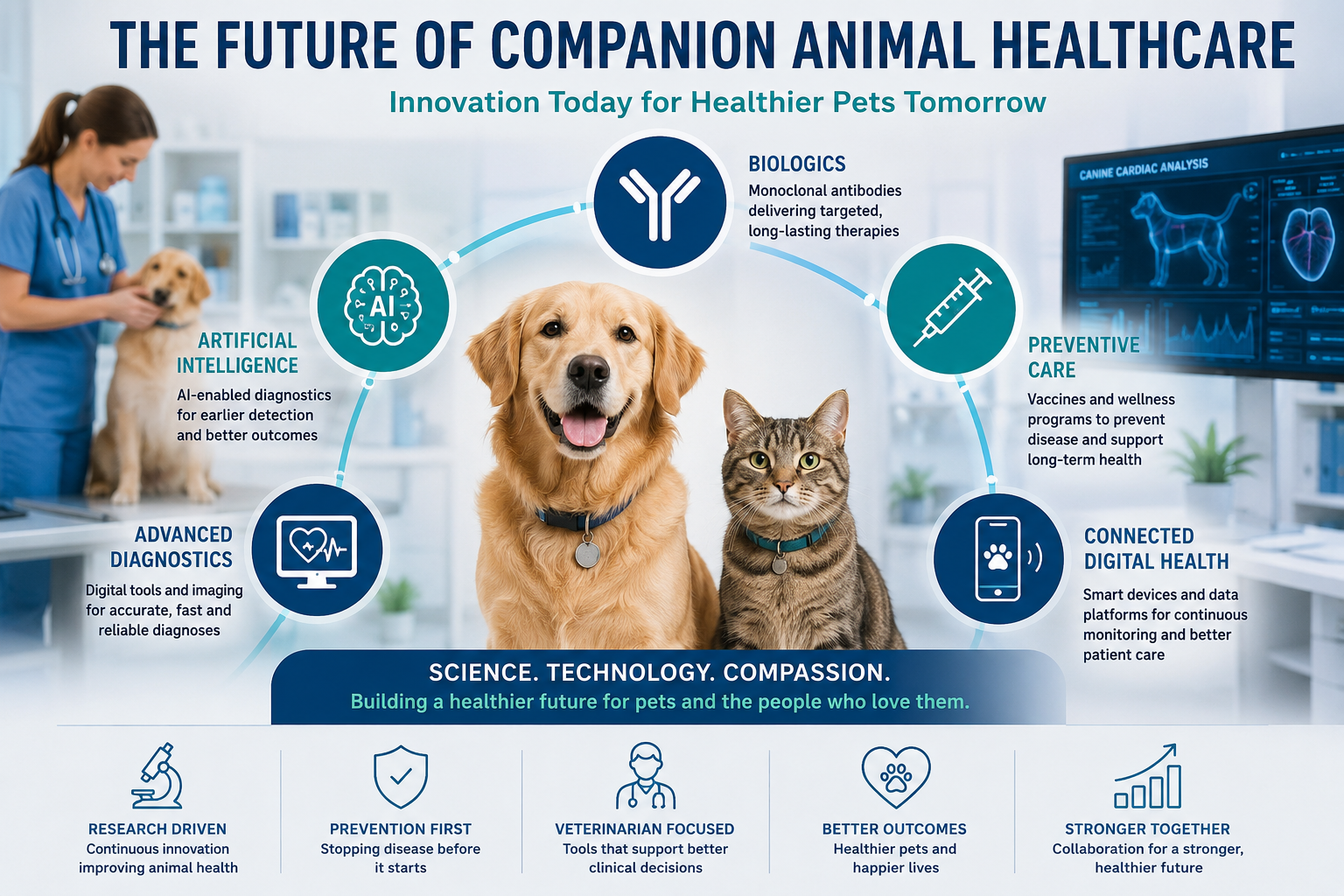
The continued investment reflects a long-term belief that demand for advanced pet healthcare will continue to grow as pet owners increasingly seek earlier diagnosis, better disease prevention and longer, healthier lives for their animals. Industry leaders including Zoetis, Boehringer Ingelheim Animal Health, Ceva Animal Health, Virbac, Dechra Pharmaceuticals, IDEXX Laboratories and Vimian have all expanded their focus on innovation across diagnostics, biologics and digital veterinary technologies over the past year.
Pet Owners Are Spending More on Preventive Healthcare
The companion animal healthcare market has changed significantly over the past decade. Instead of seeking veterinary care only when pets become seriously ill, many owners now prioritise preventive healthcare through:
-
Regular health check-ups
-
Vaccination programmes
-
Parasite prevention
-
Dental care
-
Nutritional support
-
Routine diagnostic screening
-
Early disease detection
This shift has created strong demand for products and technologies that can identify disease earlier and improve long-term health outcomes.
Although some European markets have experienced fewer routine veterinary visits because of inflation and household spending pressures, industry analysts continue to expect steady long-term growth driven by increasing pet ownership and greater awareness of preventive healthcare.
Biologics Are Transforming Companion Animal Medicine
One of the fastest-growing areas of veterinary medicine is the development of biological therapies, particularly monoclonal antibodies. Unlike traditional medicines that often treat symptoms, biologics are designed to target specific proteins involved in disease processes.
Several new products have already transformed treatment options for conditions such as:
-
Osteoarthritis pain
-
Allergic skin disease
-
Chronic inflammation
Recent examples include long-acting monoclonal antibody therapies that provide extended pain relief for dogs with osteoarthritis, reducing the need for frequent dosing while improving quality of life.
Industry experts expect biologics to become one of the fastest-growing segments of the global companion animal market during the coming decade.
Artificial Intelligence Is Entering Everyday Veterinary Practice
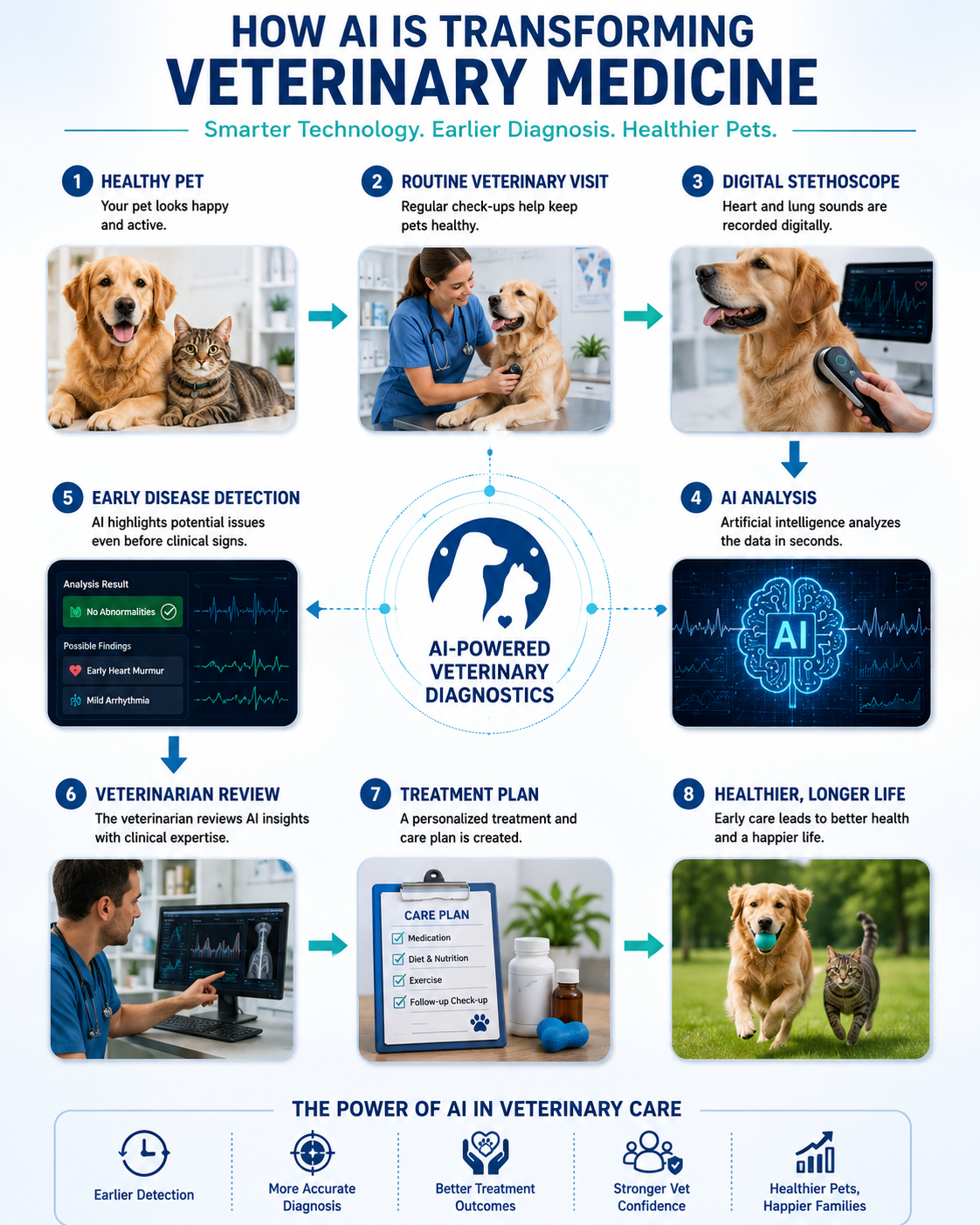
Artificial intelligence is also becoming an important part of modern veterinary medicine. European veterinary clinics are increasingly adopting AI-powered tools that assist veterinarians in analysing medical data and identifying disease earlier.
Current applications include:
-
Heart murmur detection
-
Diagnostic imaging interpretation
-
Radiograph analysis
-
Clinical decision support
-
Health monitoring
-
Workflow optimisation
Rather than replacing veterinarians, these systems help clinicians identify abnormalities more quickly and support more consistent clinical decision-making. AI-assisted diagnostics are particularly valuable in busy veterinary practices, where early identification of disease can improve treatment outcomes.
Earlier Diagnosis Improves Pet Health
Advances in diagnostics are allowing veterinarians to detect many diseases before obvious clinical signs appear. New technologies include:
-
Digital imaging
-
Point-of-care laboratory testing
-
Wearable monitoring devices
-
AI-assisted cardiac screening
-
Connected diagnostic platforms
Earlier diagnosis often allows treatment to begin sooner, improving long-term health while reducing the severity of disease.
As pets live longer than ever before, early identification of chronic diseases such as kidney disease, arthritis, heart disease and diabetes is becoming increasingly important.
Preventive Medicine Remains the Industry’s Largest Growth Opportunity
Preventive healthcare continues to receive significant investment because preventing disease is generally more effective and less costly than treating advanced illness. Animal health companies are expanding research into:
-
Vaccines
-
Long-acting parasite control
-
Preventive biologics
-
Nutritional health products
-
Digital health monitoring
-
Wellness programmes
This preventive approach supports healthier pets while helping veterinary practices build stronger long-term relationships with pet owners.
Innovation Continues Despite Softer Veterinary Visits
Several European markets have reported a temporary decline in routine veterinary consultations as households adjust spending in response to inflation and higher living costs. However, industry analysts believe this represents a short-term market adjustment rather than a structural decline.
Long-term drivers remain favourable, including:
-
Increasing pet ownership
-
Ageing pet populations
-
Greater willingness to spend on advanced treatments
-
Growing awareness of preventive healthcare
-
Continuous innovation in veterinary medicine
These factors continue to encourage companies to maintain investment in research and development.
Research and Development Remains a Strategic Priority
Leading animal health companies continue allocating substantial resources to research programmes focused on companion animals. Current areas of innovation include:
-
Next-generation monoclonal antibodies
-
Novel vaccines
-
Gene-based therapies
-
Digital diagnostics
-
Precision medicine
-
Biomarker discovery
-
Wearable health technologies
The objective is to provide veterinarians with more accurate diagnostic tools and more targeted treatment options for common diseases affecting dogs and cats.
Europe Remains a Major Centre for Veterinary Innovation
Europe continues to play an important role in global veterinary research. The region benefits from:
-
Strong academic veterinary institutions
-
Established biotechnology companies
-
Collaborative research programmes
-
Advanced regulatory frameworks
-
High standards of animal welfare
These strengths continue to attract investment in new veterinary medicines, diagnostics and digital health technologies.
What This Means for Veterinary Practices
The growing availability of biologics and AI-powered diagnostics is expected to reshape veterinary practice over the coming years. Veterinarians will increasingly have access to:
-
Earlier diagnostic information
-
More personalised treatment options
-
Long-acting therapies
-
Improved disease monitoring
-
Digital clinical decision-support tools

