HomeCompanion AnimalsDechra Confirms Libromide Returns to Stock, Restoring Access to an Adjunct Treatment...

Dechra Confirms Libromide Returns to Stock, Restoring Access to an Adjunct Treatment for Refractory Canine Epilepsy

Supply update restores an established epilepsy treatment option

Companion animal health | United Kingdom

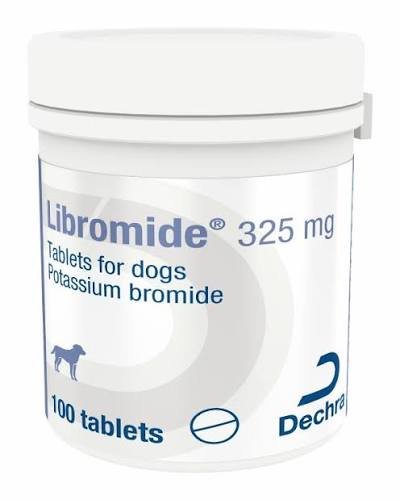
Dechra has confirmed that Libromide 325 mg tablets are back in stock and available from wholesalers following a supply interruption. The product contains potassium bromide and is licensed as an adjunct treatment for dogs with refractory epilepsy where seizures are not adequately controlled by phenobarbital alone.

Dechra said the product was again available in packs of 100 and 500 tablets, restoring access to the full range for ongoing treatment and management of affected dogs. Source: VetClick, announcement from Dechra.

Why Libromide matters in epilepsy management

Canine epilepsy is a chronic neurological condition that may require long-term medication, ongoing monitoring and adjustments to treatment. Phenobarbital is commonly used as a first-line antiseizure medicine, but not every dog achieves satisfactory seizure control with monotherapy.

Libromide supplies potassium bromide, which can be used alongside phenobarbital under the product’s authorised conditions. Dechra positions the medicine for dogs whose epilepsy is not fully controlled by phenobarbital alone.

The company cited literature suggesting phenobarbital monotherapy controls idiopathic epilepsy in approximately 60%–80% of dogs, while a company-referenced field study reported a reduction in mean seizure frequency from 27.4 to 2.2 seizures per month with combination treatment. These figures should be interpreted in their original study context; they do not guarantee an equivalent response in every dog.

Supply continuity is a clinical issue

For long-term neurological conditions, medicine availability can be particularly important. Interruptions may create difficulties for veterinary practices and pet owners who need to maintain a stable treatment plan.

The return to stock is therefore relevant not simply as a distribution update, but as a restoration of access to a licensed treatment option. Owners should not independently change, stop or substitute antiseizure medicines when supply issues arise. Veterinary advice is necessary because abrupt treatment changes can increase clinical risk.

Monitoring and responsible use

Dogs receiving long-term antiseizure therapy require veterinary follow-up to assess seizure frequency, tolerability, adherence and the need for any treatment adjustments. Potassium bromide and phenobarbital have distinct pharmacological and monitoring considerations, and combination treatment must be managed by the attending veterinarian.

The product’s return does not change its authorised indication, dosing requirements or monitoring needs.

Competitive implications for veterinary pharmaceuticals

The announcement illustrates the importance of reliable supply for established veterinary medicines. In chronic conditions, the commercial value of a product depends on continued access and confidence among veterinary practices as well as clinical positioning.

For suppliers, supply resilience requires reliable active pharmaceutical ingredient sourcing, manufacturing capacity, inventory planning, wholesaler coordination and transparent communication during shortages. Competitors serving chronic canine conditions may also benefit from understanding the operational impact of interruptions on practices and owners.

What to watch next

The available announcement confirms current wholesaler availability as of 6 October. It does not provide details on the underlying cause of the interruption, the duration of the shortage or future demand forecasts. Those points should not be inferred from the restocking announcement.

Conclusion

Dechra’s confirmation that Libromide 325 mg is back in stock restores an established adjunct treatment option for dogs with difficult-to-control epilepsy. The key issue for veterinary practices is continuity of appropriate, veterinarian-supervised treatment.

Animal Health India Editorial Team
Animal Health India Editorial Teamhttps://animalhealthindia.com
Animal Health India (AHI) is an independent news and intelligence platform covering the global animal health, veterinary, livestock, poultry, companion animal and pet food sectors. Our editorial team comprises veterinary journalists, animal health professionals, regulatory affairs specialists and industry analysts with over 30 years of combined experience covering India, Asia, Europe and North America. AHI publishes news, regulatory updates, market intelligence and company news drawn from primary sources including DAHD, EMA, USDA, AVMA and leading veterinary publications worldwide.
RELATED ARTICLES