



An international team of researchers has developed a new quality-of-life assessment tool for cats that could help veterinarians identify pain earlier, monitor chronic diseases more effectively and improve long-term care for millions of companion animals.
The project was led by scientists at the Waltham Petcare Science Institute in collaboration with Mars Veterinary Health, Royal Canin and the University of Bristol. The new assessment system provides a structured way to evaluate a cat’s physical health, behaviour and overall wellbeing, particularly in older animals living with long-term medical conditions.
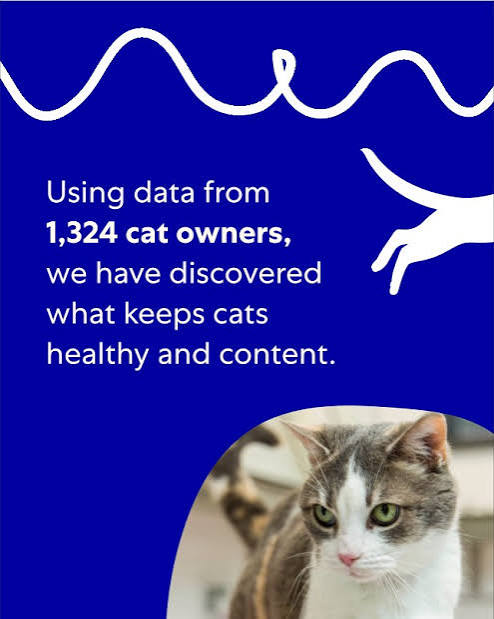
Veterinary experts believe the tool could address one of the biggest challenges in feline medicine—recognising pain and declining quality of life in animals that naturally hide signs of illness.
Cats Often Hide Pain
Unlike many other animals, cats are extremely skilled at concealing pain and discomfort. This behaviour is a natural survival instinct that evolved to prevent injured animals from appearing vulnerable to predators.
As a result, many health problems remain unnoticed until they become advanced. Instead of obvious signs of illness, affected cats may simply:
Sleep more than usual
Become less active
Stop jumping onto furniture
Spend more time hiding
Groom less frequently
Eat less
Avoid interacting with family members
These subtle behavioural changes can easily be mistaken as part of normal ageing.

Why Quality of Life Matters
Veterinary medicine is increasingly focusing not only on treating disease but also on maintaining an animal’s overall quality of life.
Quality of life reflects how comfortably an animal can perform normal daily activities, including:
Eating
Sleeping
Walking
Playing
Grooming
Social interaction
Exploring the environment
A decline in any of these behaviours may indicate pain, stress or an underlying medical condition.
By measuring these changes systematically, veterinarians can make better-informed treatment decisions and monitor whether therapies are improving a cat’s wellbeing over time.
Helping Veterinarians Detect Chronic Diseases Earlier
The new assessment tool is expected to be particularly valuable for cats with chronic illnesses. These include:
Osteoarthritis
Kidney disease
Diabetes
Heart disease
Cancer
Dental disease
Many of these conditions develop gradually, making them difficult for owners to recognise in the early stages. A structured quality-of-life assessment allows veterinarians to identify small changes before they become major health problems. Earlier diagnosis often leads to earlier treatment, helping improve both lifespan and quality of life.
Supporting Better Conversations with Pet Owners
One of the biggest challenges in feline healthcare is that owners often struggle to describe changes in their cat’s behaviour. Questions such as “Is your cat eating normally?” or “Does your cat seem comfortable?” may not capture subtle changes that occur over weeks or months.
The new assessment tool provides a consistent framework that helps owners and veterinarians discuss:
Daily activity levels
Appetite
Mobility
Behavioural changes
Comfort
Social interaction
This structured approach may improve communication and support more personalised care plans.
Particularly Important for Senior Cats
Advances in veterinary medicine have helped cats live longer than ever before. As life expectancy increases, age-related diseases have become much more common. Conditions such as osteoarthritis, chronic kidney disease and cognitive decline may affect older cats for many years.
Regular quality-of-life assessments can help veterinarians monitor disease progression while adjusting treatment plans to maintain comfort and independence. For senior cats, preserving quality of life is often as important as extending lifespan.
A Step Towards More Personalised Veterinary Care
The researchers believe the assessment tool reflects a broader trend in veterinary medicine towards personalised healthcare. Rather than focusing only on clinical test results, veterinarians are increasingly considering an animal’s daily experiences, behaviour and emotional wellbeing when developing treatment plans.
This holistic approach recognises that successful treatment should improve how an animal feels and functions, not simply manage laboratory values or disease symptoms.
Growing Importance of Animal Welfare
The development of the new tool also reflects the increasing emphasis on animal welfare within companion animal practice. Pet owners today expect more than disease treatment—they want their animals to enjoy a comfortable, active and fulfilling life.
Standardised quality-of-life assessments can help veterinary teams measure these outcomes more objectively and identify opportunities for earlier intervention.
The approach may also support clinical research by providing a consistent method for evaluating the effectiveness of new treatments for chronic diseases.
Potential Benefits for Veterinary Practice
The quality-of-life assessment tool may offer several practical advantages for veterinary clinics. These include:
Earlier detection of pain
Better monitoring of chronic diseases
Improved communication with pet owners
More informed treatment decisions
Consistent follow-up assessments
Enhanced patient welfare
By tracking changes over time, veterinarians may be able to evaluate whether treatments are achieving meaningful improvements in a cat’s daily life.
Why This Matters for the Animal Health Industry
The introduction of a standardised quality-of-life assessment tool represents an important step forward in feline medicine. As companion animals live longer, veterinary care is increasingly shifting from treating acute illnesses to managing chronic conditions that require long-term monitoring.
Innovations that help identify pain earlier and measure treatment success more accurately are expected to play an increasingly important role in improving animal welfare and strengthening the human–animal bond.
For the animal health industry, the tool may also support the development and evaluation of new therapies for chronic diseases, including osteoarthritis, kidney disease and age-related conditions.
Key Takeaways
-
Researchers from the Waltham Petcare Science Institute, Mars Veterinary Health, Royal Canin and the University of Bristol have developed a new quality-of-life assessment tool for cats
-
The tool is designed to help veterinarians detect pain and monitor chronic diseases more effectively
-
It focuses on changes in behaviour, mobility, appetite, grooming and daily activities that may indicate declining health
-
The assessment is expected to be especially valuable for senior cats and those living with long-term illnesses
-
Standardised quality-of-life monitoring may improve clinical decision-making, treatment planning and communication between veterinarians and pet owners
-
The innovation reflects a growing emphasis on preventive care, animal welfare and personalised veterinary medicine

