


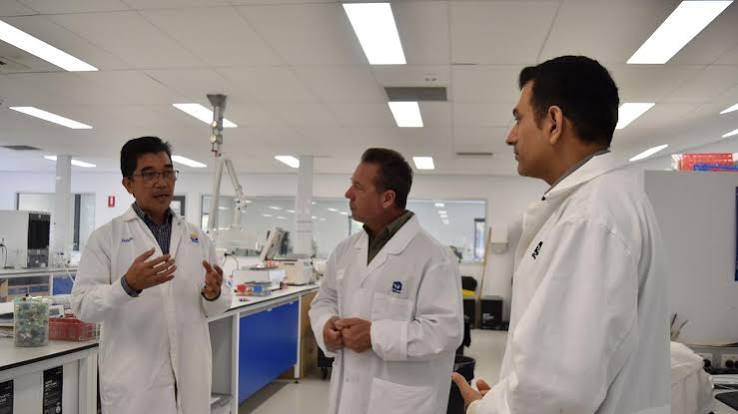
A proposal to close the Veterinary Diagnostic Pathology Laboratory at James Cook University (JCU) in Townsville, Queensland, has triggered widespread concern among veterinarians, students, livestock producers and pet owners, who warn that the move could affect disease diagnosis, veterinary education and animal health services across northern Australia.
The laboratory serves as an important diagnostic centre for companion animals, livestock and wildlife in North Queensland. It processes samples submitted by veterinary clinics, livestock producers and researchers, helping identify infectious diseases and support timely treatment decisions.
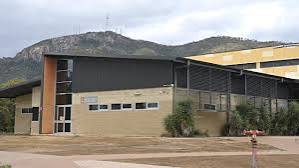
Although the university has confirmed that no final decision has been made, the proposal has generated significant public debate, with thousands of people signing a petition calling for the laboratory to remain operational.
Why the Laboratory Is Important
Veterinary diagnostic laboratories are a vital part of modern animal healthcare. They help veterinarians identify the causes of disease by examining blood, tissue and other laboratory samples from sick animals. Accurate laboratory testing allows veterinarians to:
Confirm infectious diseases.
Select the most appropriate treatment.
Detect disease outbreaks early.
Protect livestock production.
Support public health surveillance.
The JCU laboratory also functions as one of Queensland’s major veterinary microbiology centres, providing specialist diagnostic services for the region.
Concerns About Delays in Disease Diagnosis
Opponents of the proposed closure argue that diagnostic samples from northern Queensland would likely need to be transported to laboratories in Brisbane if the Townsville facility closed. Longer transport distances could increase turnaround times for laboratory results, particularly for urgent cases involving livestock disease outbreaks or critically ill companion animals.
Veterinary professionals say rapid diagnosis is often essential for:
Starting appropriate treatment quickly.
Limiting disease spread.
Protecting animal welfare.
Reducing economic losses on farms.
Delays in obtaining laboratory results can complicate clinical decision-making, especially when infectious diseases are involved.
Impact on Veterinary Education
The proposal has also raised concerns about student training. The Veterinary Diagnostic Pathology Laboratory provides practical learning opportunities for students enrolled in veterinary science, biomedical science and medical laboratory science programmes.
Hands-on experience in diagnostic laboratories is considered an important component of veterinary education, allowing students to develop skills in disease investigation, laboratory techniques and pathology.
Students have expressed concern that reduced access to laboratory facilities could affect practical training and the overall learning experience, although the university has stated that it remains committed to maintaining its fully accredited veterinary programme.
Community Campaign Gains Momentum
Public opposition to the proposal has grown rapidly. A petition launched by a James Cook University student has attracted more than 2,100 signatures, reflecting concerns from veterinarians, students, livestock producers and members of the wider community.
Supporters of the campaign argue that the laboratory provides an essential regional service that should remain available for North Queensland’s growing livestock and companion animal sectors.

University Says No Final Decision Has Been Made
James Cook University has emphasised that the proposal remains under consultation. According to the university, the review forms part of a broader assessment of laboratory and technical services to ensure they remain financially sustainable while continuing to support teaching, research and clinical programmes.
University officials have encouraged staff and students to provide feedback before any final decision is taken. JCU has also reaffirmed its commitment to maintaining accredited veterinary science education.
Why Veterinary Diagnostic Laboratories Matter
Veterinary laboratories play a much broader role than supporting individual animal cases. They contribute to:
Disease surveillance.
Biosecurity.
Food safety.
Antimicrobial resistance monitoring.
Wildlife health.
Emergency disease response.
Many serious livestock diseases are first detected through routine laboratory investigations. Maintaining regional diagnostic capacity is therefore considered an important part of national animal health preparedness.
Potential Implications for Northern Australia
North Queensland has a large livestock industry and extensive wildlife populations, making rapid access to veterinary diagnostic services particularly valuable. Veterinarians working in remote and regional areas often depend on nearby laboratories for timely support.
If diagnostic services become less accessible, veterinary professionals may face additional challenges in managing infectious diseases and responding to disease outbreaks.
Balancing Financial Sustainability and Essential Services
Universities around the world continue to face financial pressures that require periodic reviews of teaching and research infrastructure. However, veterinary organisations note that specialised diagnostic laboratories provide benefits beyond higher education.
They support animal welfare, livestock productivity, disease surveillance and regional veterinary services—functions that are often difficult to replace.
Finding a balance between financial sustainability and maintaining essential veterinary infrastructure remains a challenge for many institutions.
Industry Perspective
The discussion surrounding the James Cook University laboratory reflects a broader issue facing veterinary education globally. As animal diseases become increasingly complex and concerns over biosecurity continue to grow, access to high-quality diagnostic services remains fundamental to protecting animal health.
Veterinary organisations argue that maintaining regional diagnostic expertise is particularly important in geographically large countries such as Australia, where long transport distances can affect both animal welfare and disease surveillance.
Key Takeaways
-
James Cook University is considering changes that could affect its Veterinary Diagnostic Pathology Laboratory in Townsville
-
Veterinarians, students and livestock producers have expressed concerns about the potential impact on disease diagnosis, veterinary education and regional animal health services
-
More than 2,100 people have signed a petition calling for the laboratory to remain open.
James Cook University says no final decision has been made and consultations with staff and students are continuing
-
Veterinary diagnostic laboratories play a critical role in disease surveillance, biosecurity, livestock production and companion animal healthcare
-
The outcome of the consultation could have implications for veterinary services and training across northern Australia.

