


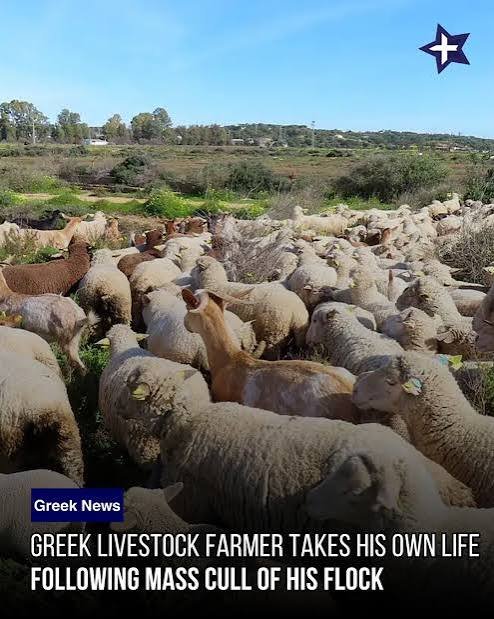
Multiple disease categories keep Greece in focus for European livestock surveillance
Greece’s latest animal-disease surveillance records include several economically important livestock diseases, including foot-and-mouth disease (FMD), sheep and goat pox, bluetongue and African swine fever in wild boar.
The records, dated 30 October 2026, demonstrate the breadth of the country’s reported disease burden. They also underline the importance of maintaining coordinated surveillance across different livestock species and production systems.
Reported disease entries
Disease |
Host category |
Reported outbreaks |
Reported cases |
|---|---|---|---|
Foot-and-mouth disease |
Domestic |
207 |
13,434 |
Sheep and goat pox |
Domestic |
1,762 |
19,219 |
Bluetongue |
Mixed |
183 |
3,499 |
Bluetongue |
Domestic |
5 |
102 |
Bluetongue |
Domestic |
4 |
8 |
African swine fever |
Wild boar |
4 |
23 |
The surveillance feed also contains individual entries for FMD and sheep and goat pox. These records may represent different reporting units or events and should not be added without checking the source data.
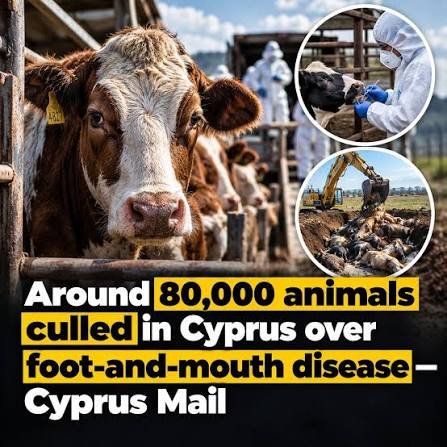
Foot-and-mouth disease: implications for livestock movement and trade
FMD is a highly contagious viral disease affecting cloven-hoofed animals, including cattle, sheep, goats and pigs.
Its economic consequences can extend well beyond direct animal losses. Movement restrictions, export suspensions, surveillance costs and disruption to livestock markets can create substantial financial pressure.
For countries reporting FMD, rapid detection, containment, traceability and compliance with official control measures are central to limiting spread.
Sheep and goat pox: a major small-ruminant health concern
The reported sheep and goat pox figures are particularly important for the small-ruminant sector.
Sheep and goat pox are serious viral diseases that can cause fever, skin lesions, respiratory complications, production losses and mortality. Outbreaks can disrupt animal movements and affect the supply of milk, meat and breeding animals.
The scale of the reported surveillance entries reinforces the need for effective flock management, veterinary investigation and official disease-control programmes.
Bluetongue and ASF add to the surveillance burden
Bluetongue is transmitted by Culicoides biting midges and affects ruminants. Its presence requires attention to vector activity, animal movement and appropriate vaccination strategies.
ASF in wild boar is a separate but important concern for pig-sector biosecurity. Wildlife surveillance and carcass management are critical components of disease prevention.
Implications for veterinary companies and livestock businesses
The combination of disease categories creates demand for multiple veterinary capabilities:
-
FMD and poxvirus diagnostics.
-
Vaccines where authorised and appropriate.
-
Bluetongue surveillance and vaccination programmes.
-
Farm biosecurity and disinfection.
-
Veterinary field services and outbreak-response support.
-
Traceability and animal-movement management.
Companies operating in Greece and neighbouring markets should monitor official disease-control measures and potential effects on livestock movement and trade.
Outlook
Greece’s reported disease records demonstrate why integrated animal-health surveillance is essential. The most important indicators will be changes in disease distribution, confirmed outbreak locations, official movement restrictions and the effectiveness of vaccination and biosecurity measures.

