


USDA Expands Southwest Border Biosecurity Infrastructure
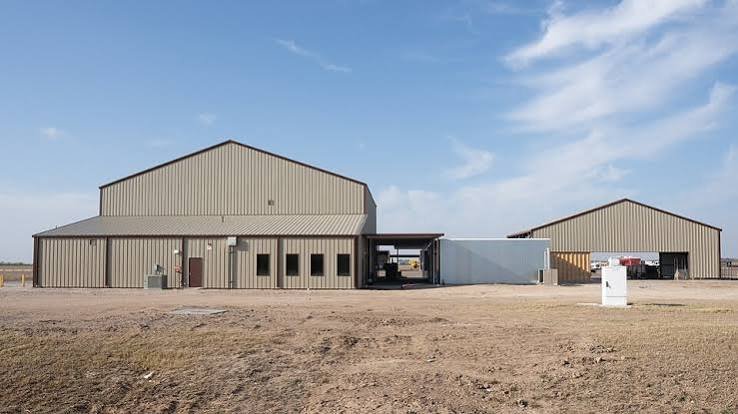
In a major biosecurity move along the U.S.–Mexico border, the United States Department of Agriculture (USDA) has committed $25 million to establish a state-of-the-art sterile fly dispersal facility in Douglas, Arizona.
Announced by Agriculture Secretary Brooke Rollins during an inspection of border livestock facilities, the funding expands the nation’s capacity to deploy the Sterile Insect Technique (SIT)—the primary biological control mechanism used to eradicate the flesh-eating New World screwworm (Cochliomyia hominivorax).
The new Douglas center complements the existing U.S. distribution hub in Edinburg, Texas, extending aerial sterile fly release coverage across 400 nautical miles from West Texas to San Diego, California, including the Sonora-Arizona border corridor.
Threat: What Is New World Screwworm?
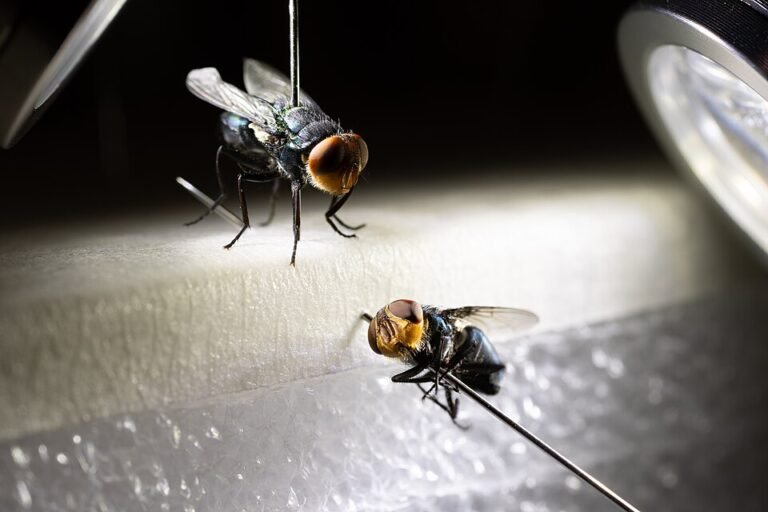
The New World screwworm is an aggressive, obligate parasite of warm-blooded animals. Unlike typical blowflies whose larvae feed on dead tissue, female screwworms lay eggs in open wounds or natural body orifices of living animals.
-
Production Risk: Left untreated, infestations cause severe tissue damage, secondary bacterial infections, and high mortality in cattle, horses, sheep, swine, wildlife, and domestic pets.
-
How SIT Works: Female screwworms mate only once in their lifetime. When millions of laboratory-sterilized male flies are dispersed aerially over infested zones, wild females mate with sterile males, producing unviable eggs and causing wild populations to collapse.
Alignment with Border Port Reopenings
The $25 million investment aligns with the USDA’s phased strategy to reopen southern border ports of entry to Mexican feeder cattle.
Border Policy Dimension |
Operational Details & Safeguards |
Douglas Port Reopening |
Scheduled for August 24, establishing the first border crossing to resume cattle imports. |
Low-Risk Regional Targeting |
Sonora, Mexico—which borders Douglas—maintains one of the lowest risk profiles for screwworm. |
Mandatory Pre-Entry Protocol |
All imported livestock undergo electronic tag scanning, multi-stage veterinary inspections, and insecticide dipping. |
Fail-Safe Mechanism |
Detection of a single active screwworm case triggers an immediate shutdown of port operations. |

