



In one of the Major Legal Victories for Zoetis, US Federal Judge dismissed Class Action Suit against Librela of Zoetis. Next, Zoetis awaits outcome of yet another class action suit by its select shareholders.
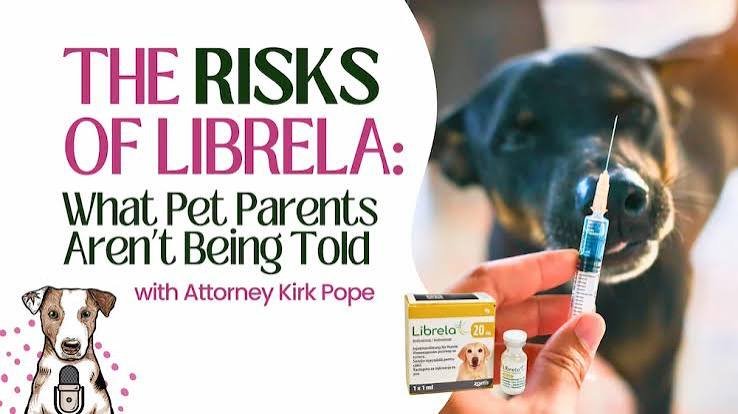
In a landmark decision for the veterinary pharmaceutical industry, U.S. District Judge Susan D. Wigenton of the U.S. District Court for the District of New Jersey granted Zoetis Inc.’s motion to dismiss a nationwide class action lawsuit regarding its blockbuster canine osteoarthritis (OA) therapy, Librela® (bedinvetmab injection).
The lawsuit (Hartney et al. v. Zoetis, Inc., Case No. 2:24-cv-09698), brought forward by eight named dog owners, alleged that Zoetis misrepresented Librela’s safety profile, failed to adequately warn pet owners and veterinarians about severe adverse events, and marketed a defectively designed biological product.
In her ruling, Judge Wigenton concluded that the plaintiffs’ claims suffered from fatal legal deficiencies under the New Jersey Product Liability Act (NJPLA) and state consumer protection statutes, primarily invoking the Learned Intermediary Doctrine and federal preemption principles.
Key Legal Findings: Why the Court Dismissed the Complaint
The court’s 15-page opinion systematically dismantled the plaintiffs’ core legal theories, establishing critical precedents regarding pharmaceutical manufacturer liability in veterinary medicine.
1. Application of the Learned Intermediary Doctrine
Under the Learned Intermediary Doctrine, a prescription drug manufacturer fulfills its legal duty to warn by providing adequate safety risk information to the prescribing medical professional (in this case, licensed veterinarians), who then exercises clinical judgment when advising clients.
-
Failure to Prove Reliance: The court highlighted that the complaint failed to identify specific affirmative misrepresentations or omissions that prescribing veterinarians relied upon when choosing to administer Librela®.
-
Presumption of Label Adequacy: Under the NJPLA, FDA-approved package inserts carry a rebuttable presumption of warning adequacy. The court ruled that the plaintiffs failed to show that Zoetis deliberately concealed or withheld post-approval safety data from regulatory authorities or veterinary clinicians.
2. Deficiencies in Consumer Protection Claims
The plaintiffs brought claims under state consumer fraud statutes across California, Illinois, Missouri, Texas, and Virginia. However, Judge Wigenton ruled that the complaint failed to specify any affirmative advertising statement that individual plaintiffs personally viewed and relied upon prior to consenting to treatment.
3. Dismissal of Design Defect Claims
The plaintiffs contended that bedinvetmab was defectively designed because safer therapeutic alternatives exist. The court dismissed this claim on two distinct grounds:
-
Federal Preemption: Because the FDA approves specific monoclonal antibody formulations, federal law prohibits manufacturers from unilaterally altering a drug’s molecular design once approved.
-
Failure to Propose Alternative Design: Plaintiffs failed to demonstrate a feasible, safer alternative design that would meet FDA regulatory approval or prove that Librela’s inherent risks outweighed its clinical therapeutic benefits.
Case Overview & Claims Comparison
Legal Issue |
Plaintiffs’ Allegations |
Court’s Final Ruling |
Duty to Warn |
Zoetis failed to directly warn pet owners about potential neurological, hepatic, and musculoskeletal risks. |
Dismissed. Zoetis satisfied its legal duty by providing FDA-approved warnings to prescribing veterinarians. |
Consumer Fraud |
Zoetis deceptively marketed Librela® as “safe and effective” in direct-to-consumer advertising. |
Dismissed. Plaintiffs failed to identify specific misrepresentations they individually saw and relied upon. |
Design Defect |
The drug is inherently dangerous with no available reversing antidote. |
Dismissed. Claims barred by preemption and failure to prove a feasible, FDA-approvable alternative design. |
Post-Market Safety |
Zoetis suppressed rising adverse event reports following commercial release. |
Dismissed. No evidence presented showing intentional concealment of post-market risk data from the FDA. |

