


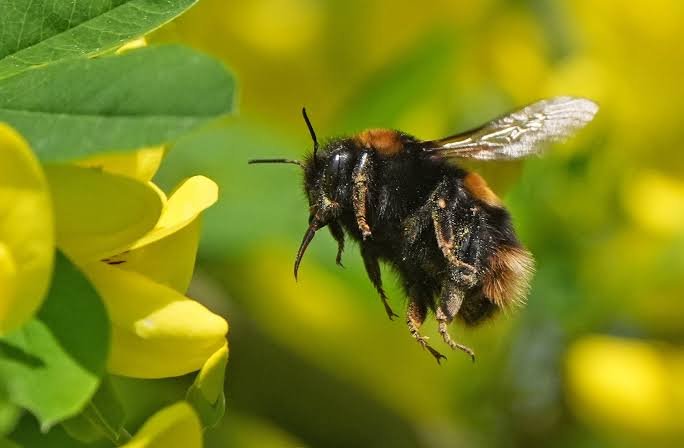
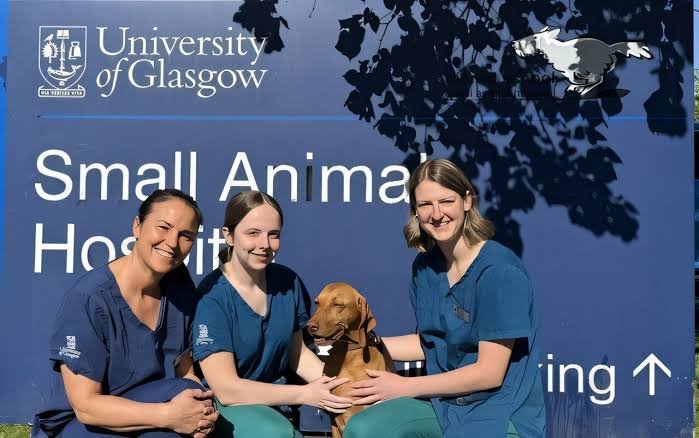
University of Glasgow’s Small Animal Hospital became the first specialist veterinary center in the United Kingdom to successfully treat dogs suffering from severe, life-threatening insect sting allergies using Hymenoptera Venom Immunotherapy (VIT).
Led by Professor Ana Rostaher, a leading veterinary specialist in venom immunotherapy, the groundbreaking treatment introduces controlled, gradually increasing micro-doses of purified bee or wasp venom to retrain a canine patient’s immune system. The protocol transitions dogs from high-risk anaphylaxis candidates to individuals with long-term immune tolerance.
Understanding Hymenoptera Venom Allergy in Dogs
Insect venom allergy ranks among the most acute, unpredictable emergency conditions seen in veterinary dermatology. Clinical reactions can escalate within minutes of a sting, progressing rapidly through distinct systemic phases:
-
Mild-to-Moderate: Urticaria (hives), facial angioedema (swelling), localized erythema, and intense pruritus.
-
Severe / Anaphylactic: Acute vomiting, diarrhea, sudden lethargy, pale mucous membranes, hypovolemic shock, respiratory collapse, and death.
Studies in veterinary allergy indicate that nearly two-thirds (60–65%) of dogs that experience an initial severe reaction to a Hymenoptera sting will suffer an equivalent or more severe anaphylactic event upon subsequent stings.
Science Behind Canine Hymenoptera Venom Immunotherapy (VIT)
While traditional emergency veterinary interventions—such as epinephrine, parenteral antihistamines, and corticosteroids—are vital for treating acute anaphylaxis, they offer zero prospective protection against future stings. VIT remains the only disease-modifying therapeutic approach available.
Step-by-Step Clinical Protocol
-
Intradermal & Serological Diagnostics: Confirmation of specific IgE sensitization to Apis mellifera (honeybee) or Vespula species (wasp/yellow jacket) using intradermal skin testing and allergen-specific IgE serology.
-
Induction Phase (Rush Protocol): Under strict specialist supervision, aqueous venom extracts are administered subcutaneously in rapid, incremental doses over a short hospitalization period to safely reach the threshold target dose.
-
Maintenance Phase: The patient receives regular maintenance injections (typically $100\text{ }\mu\text{g}$ of alum-precipitated venom extract) monthly over an extended period (1–3 years) to consolidate immune desensitization.
Patient Case Study: Amber the Hungarian Vizsla
The clinical viability of the treatment in the UK was highlighted by the case of Amber, a Hungarian Vizsla who became the first dog to complete the Glasgow VIT protocol.
Amber suffered a sudden severe anaphylactic collapse following an unobserved indoor bee sting in July 2021. Her owners, Claire and Matthew Preece, described a rapid deterioration marked by sudden behavioral changes, generalized hives, vomiting, and systemic shock. Following emergency stabilization, Amber was enrolled in the University of Glasgow’s VIT program.
Clinical trials and follow-up data show that dogs completing the VIT protocol exhibit high protection rates (85%–100%) against re-stings, displaying minimal to no clinical symptoms upon subsequent exposures.
Emergency Management vs. Venom Immunotherapy
Parameter |
Acute Emergency Care |
Hymenoptera Venom Immunotherapy (VIT) |
Primary Goal |
Stop active anaphylaxis / prevent death. |
Retrain immune system / prevent future reactions. |
Administration |
Reactive (after a sting occurs). |
Proactive (scheduled clinical protocol). |
Therapeutics Used |
Epinephrine, Antihistamines, Corticosteroids. |
Purified Bee/Wasp Venom Extracts. |
Long-Term Protection |
None (Risk of repeat anaphylaxis remains high). |
High (85–100% protection against systemic anaphylaxis). |
Setting |
Emergency Vet Clinic / ER. |
Specialist Veterinary Dermatology / Referral Hospital. |

