HomePoultryAustralia Boosts H5N1 Bird Flu Preparedness as Wildlife Surveillance Intensifies

Australia Boosts H5N1 Bird Flu Preparedness as Wildlife Surveillance Intensifies

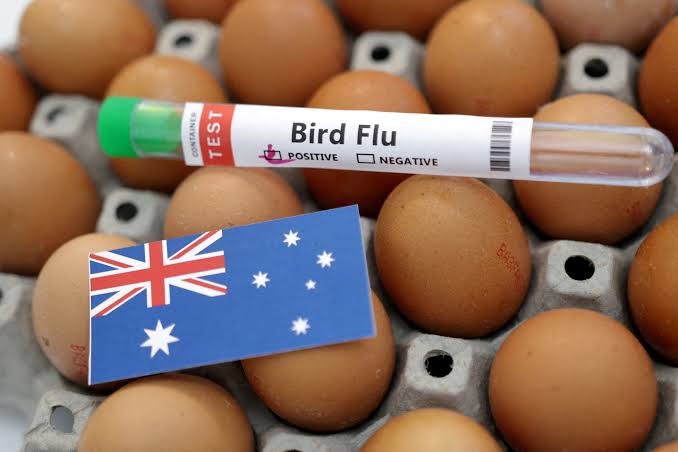
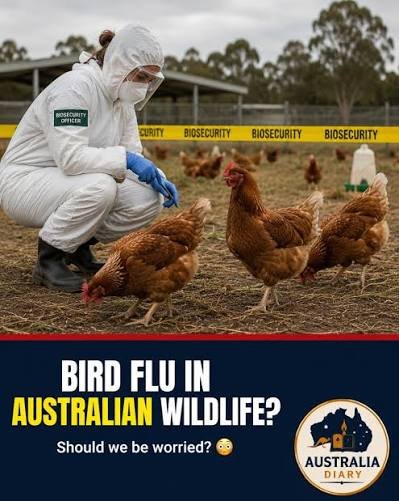
Australia has expanded its financial commitment to H5 avian influenza preparedness as the virus continues to be detected in wildlife, while no H5 bird flu detections have been reported in poultry or the wider agricultural production system.

The Australian Government has committed substantial funding to surveillance, preparedness and response. Official government documents show that more than A$113 million had already been committed since 2024 for H5 preparedness, while a further A$24.8 million was approved in July 2026 for response activities under Australia’s emergency animal-disease arrangements.

The latest national surveillance data show the scale of the wildlife challenge: as of 28 August 2026, Australia had recorded 413 positive H5 bird-flu events in wildlife and more than 31,447 hotline reports. Importantly, the government continues to report no detections in poultry or the wider agriculture industry.

Australia Boosts H5N1 Bird Flu Preparedness as Wildlife Surveillance Intensifies

Wildlife-to-livestock risk remains the strategic concern

The epidemiological picture has nevertheless become more complex. H5 has been detected across wildlife in Western Australia, South Australia, New South Wales, Queensland, Victoria and Tasmania, with evidence of some local transmission among wild birds. Australia also reported its first H5 detection in a marine mammal in August, followed by detection in a red fox—illustrating the potential for spillover beyond avian species.

In response, Australia’s National Management Group activated a National Management Agreement for H5 HPAI in Wildlife, providing a nationally coordinated framework for cost-sharing and response activities. Authorities concluded that eradication of H5 from wildlife was not technically feasible given evidence of local transmission in some wild seabirds.

Why the funding matters

For Australia’s poultry industry, the distinction between wildlife infection and commercial poultry infection is critical. Maintaining that separation depends on surveillance, early detection, farm biosecurity and rapid response capacity.

The government’s approach therefore increasingly resembles a One Health biosecurity model, linking animal-health surveillance with environmental monitoring and public-health preparedness. Australia has also maintained a 24-hour Emergency Animal Disease Hotline to encourage rapid reporting of sick or dead birds and other potentially affected animals.

AHI view

The immediate economic threat to commercial poultry remains contained because no poultry or agricultural-production detections have been reported. However, the increasing geographic and species range of wildlife detections raises the importance of maintaining strong farm-level biosecurity and surveillance.

The key strategic indicator for Australia’s poultry sector will therefore not simply be the number of wildlife detections, but whether H5 establishes sustained transmission in local wildlife populations and subsequently breaches commercial poultry biosecurity.

Sources: Australian Department of Agriculture, Fisheries and Forestry; Australian Chief Veterinary Officer; National Management Group; CSIRO Australian Centre for Disease Preparedness.
Animal Health India Editorial Team
Animal Health India Editorial Teamhttps://animalhealthindia.com
Animal Health India (AHI) is an independent news and intelligence platform covering the global animal health, veterinary, livestock, poultry, companion animal and pet food sectors. Our editorial team comprises veterinary journalists, animal health professionals, regulatory affairs specialists and industry analysts with over 30 years of combined experience covering India, Asia, Europe and North America. AHI publishes news, regulatory updates, market intelligence and company news drawn from primary sources including DAHD, EMA, USDA, AVMA and leading veterinary publications worldwide.

RELATED ARTICLES