HomeSwineUS: Vitamin D3 Research Targets Older Sow Survival

US: Vitamin D3 Research Targets Older Sow Survival

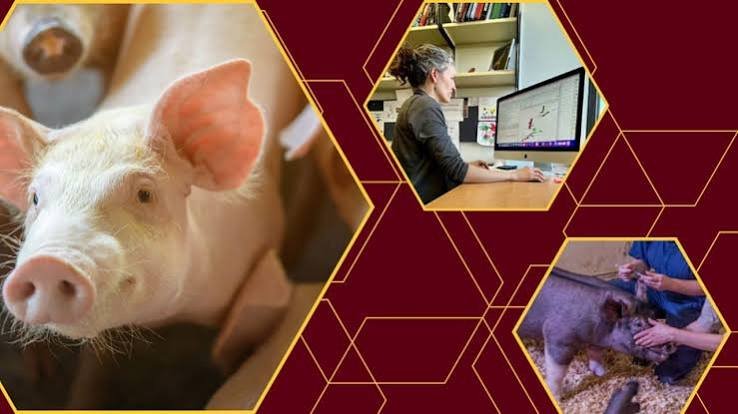
New research led by North Carolina State University Extension is drawing attention to targeted vitamin D3 supplementation as a potential nutritional tool for improving older-sow livability.

The study evaluated weekly vitamin D3 boluses during late gestation. The clearest finding was a substantial reduction in mortality among older-parity sows, particularly during late lactation. Mortality during that period was 0.2% among vitamin D3-supplemented sows versus 1.9% in controls.

Importantly, the intervention did not increase the number of piglets weaned per sow placed on test: results were 10.98 piglets versus 10.77 for supplemented and control groups, respectively. This suggests the immediate value of the intervention was primarily associated with sow survival rather than additional piglet output per sow.

Vitamin D3 Research Targets Older Sow Surviva

Why the finding matters

Sow longevity has direct economic implications because retaining a productive sow can reduce replacement requirements while preserving reproductive capacity and herd throughput.

The research therefore strengthens an increasingly important industry convergence: Animal nutrition → animal health → sow longevity → production economics

It also fits a broader research direction examining late-gestation nutrition as a lever for improving sow health and reducing production losses. NC State’s swine research program specifically identifies transition nutrition in late gestation and early lactation as an area of interest for maintaining or improving productivity.

Animal-health industry implications

The finding is promising but should not yet be interpreted as proof that vitamin D3 supplementation universally improves sow productivity. The reported benefit is specifically around mortality in older-parity females, while piglets weaned per sow were similar.

For nutrition and animal-health companies, however, the signal is commercially relevant. Products that can demonstrate measurable improvements in sow survival, reproductive continuity, replacement rates or lifetime productivity have a stronger economic proposition than products positioned only around nutrient adequacy.

Bottom line

Vitamin D3 is emerging as a nutritional variable worth monitoring in sow-livability programs, particularly for older-parity animals. The bigger industry opportunity is the integration of precision nutrition, health monitoring and reproductive management around the individual sow.

Animal Health India Editorial Team
Animal Health India Editorial Teamhttps://animalhealthindia.com
Animal Health India (AHI) is an independent news and intelligence platform covering the global animal health, veterinary, livestock, poultry, companion animal and pet food sectors. Our editorial team comprises veterinary journalists, animal health professionals, regulatory affairs specialists and industry analysts with over 30 years of combined experience covering India, Asia, Europe and North America. AHI publishes news, regulatory updates, market intelligence and company news drawn from primary sources including DAHD, EMA, USDA, AVMA and leading veterinary publications worldwide.

RELATED ARTICLES