HomeSwinePhilippines Weighs 60-Day Pork Import Suspension Amid Farmer Losses

Philippines Weighs 60-Day Pork Import Suspension Amid Farmer Losses

Philippines Considers Temporary Pork Import Restrictions to Protect Domestic Hog Producers

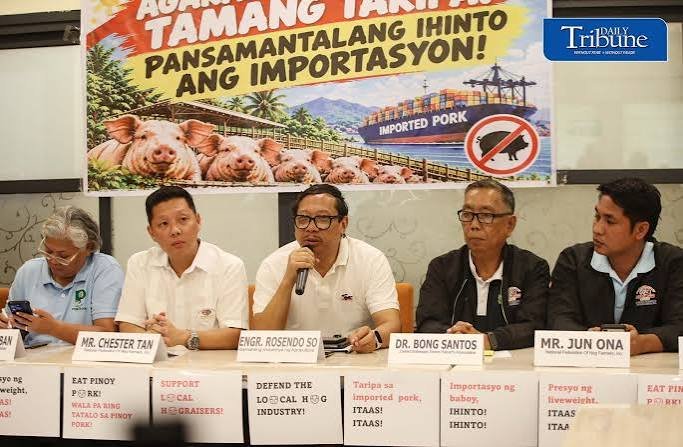
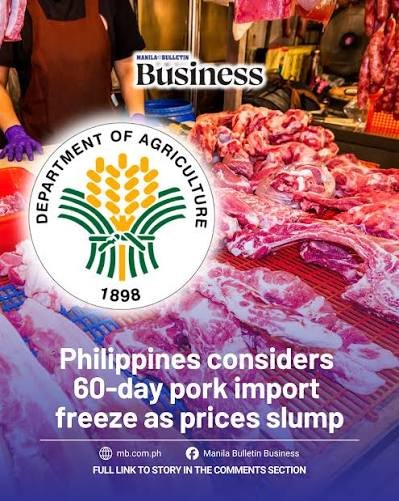
MANILA, Philippines — 23 October 2026: The Philippine government is considering a temporary suspension of selected pork imports for up to 60 days as authorities seek to support domestic hog producers facing falling farmgate prices and mounting concerns over the impact of imported meat on local markets.

Agriculture Secretary Francisco Tiu Laurel Jr. has indicated that the Department of Agriculture (DA) could suspend imports of selected pork cuts or temporarily stop issuing new Sanitary and Phytosanitary Import Clearances (SPSICs). The proposed measure could cover pork belly, shoulder cuts and ham, although the precise product coverage and implementation arrangements remain subject to government review.

The proposal has gained urgency following demands from Senator Juan Miguel Zubiri for stronger action against excessive imports, alleged predatory pricing and pork smuggling. The debate highlights the challenge facing policymakers: protecting domestic hog raisers without unnecessarily disrupting meat supplies, import contracts or consumer prices.

Farmgate prices reportedly below production costs

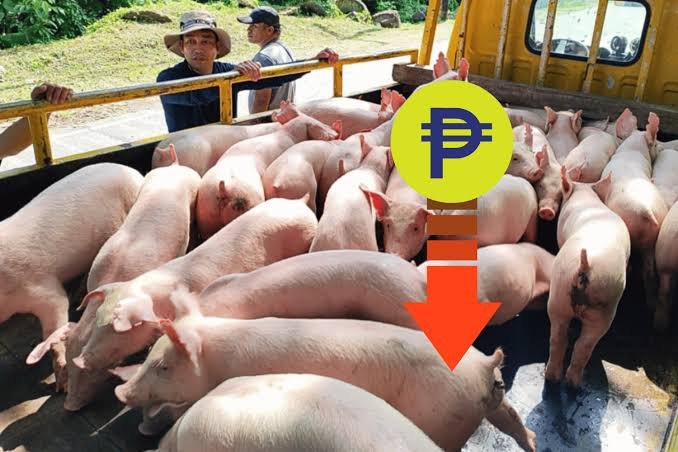
During a Senate budget hearing, Zubiri cited farmgate prices of approximately ₱90–₱120 per kilogram, compared with estimated production costs of ₱130–₱140 per kilogram.

This gap implies a potential loss of approximately ₱10–₱50 per kilogram before accounting for differences in farm efficiency, production systems and other commercial factors.

Zubiri also highlighted the disparity between prices received by hog raisers and the retail prices paid by consumers. He called for more visible enforcement against alleged smuggling and price manipulation, alongside regular market inspections.

The concern is particularly significant for smaller producers, who may have less financial capacity to withstand extended periods of weak farmgate prices. However, the precise share of production attributable to backyard farmers and the scale of losses should be assessed against the relevant official datasets.

What the proposed 60-day restriction would involve

The DA is considering a temporary halt to the issuance of new SPSICs for selected pork products. Rather than automatically blocking every shipment already in transit or under contract, the approach would primarily restrict new clearances, subject to the final legal and administrative arrangements.

In comments reported earlier this week, Tiu Laurel indicated that the government was targeting a possible implementation around mid-November, although the proposal had not yet become an effective import ban as of the latest reports.

The distinction is important for importers, meat processors and distributors. A suspension of new clearances could affect future procurement decisions, while the treatment of existing contracts and shipments would depend on the final order and applicable rules.

The government has also initiated a preliminary safeguard investigation into rising pork imports. On 21 October, the DA confirmed that it had found prima facie grounds to investigate whether increased imports were causing, or threatening to cause, serious injury to the domestic hog industry.

The investigation is intended to establish the extent of any injury and whether it is causally linked to the increase in imports. The initiation of an investigation is not a final determination that imports have caused the alleged injury.

Imports and domestic supply: balancing competing priorities

Philippine pork imports reached 602,655 metric tonnes through August 2026, up approximately 5% from the corresponding period of the previous year, according to figures cited by The Philippine Star from the Bureau of Animal Industry.

The DA has also stated that the country has approximately 170 days of pork supply in stock. The agriculture secretary has argued that this inventory position should help limit the risk of a shortage during the Christmas period.

Nevertheless, aggregate supply availability does not automatically determine retail prices. The effect of any import restriction will depend on the volume of affected products, existing stocks, domestic production, distribution costs and the ability of local producers to increase marketable supply.

Imported pork and locally produced pork also compete within a supply chain involving slaughterhouses, processors, wholesalers, retailers and food-service businesses. A restriction at the import-clearance stage may therefore affect different market participants in different ways.

Smuggling and alleged predatory pricing under scrutiny

Zubiri has urged the government to move beyond announcing policy proposals and take visible action against suspected smuggling and unfair pricing practices.

These allegations require careful distinction. A decline in farmgate prices does not, by itself, establish predatory pricing, while price differences between farmgate and retail markets do not independently prove smuggling or unlawful conduct.

Establishing violations would require evidence such as import documentation, customs declarations, shipment records, pricing practices and the findings of competent enforcement agencies.

For the DA, effective enforcement will therefore be important alongside any import restriction. Better import traceability, risk-based inspections and coordination among agricultural, customs and law-enforcement authorities could help address unlawful trade if specific violations are established.

Implications for the livestock and meat industries

Domestic hog producers: A temporary restriction could reduce competitive pressure from selected imported cuts, potentially creating room for farmgate prices to recover. The actual benefit would depend on domestic production, demand and the extent to which imports are substituted by locally produced pork.

Importers and meat processors: Businesses may need to review procurement plans, delivery schedules and inventory management if new SPSIC issuance is suspended. The final treatment of existing contracts will be particularly important.

Retailers and consumers: The price effect is uncertain. Adequate national stocks may moderate immediate supply concerns, but local distribution, product mix and seasonal demand will also influence retail prices.

Government and regulators: Authorities must balance producer support with food affordability, legal trade obligations and the practical requirements of import administration. A transparent, time-bound measure with clear product coverage and review criteria would help businesses plan.

Animal Health India Editorial Team
Animal Health India Editorial Teamhttps://animalhealthindia.com
Animal Health India (AHI) is an independent news and intelligence platform covering the global animal health, veterinary, livestock, poultry, companion animal and pet food sectors. Our editorial team comprises veterinary journalists, animal health professionals, regulatory affairs specialists and industry analysts with over 30 years of combined experience covering India, Asia, Europe and North America. AHI publishes news, regulatory updates, market intelligence and company news drawn from primary sources including DAHD, EMA, USDA, AVMA and leading veterinary publications worldwide.

RELATED ARTICLES