HomeCorporateGlobal Rabies Programme Focuses on Implementation of “Zero by 30”

Global Rabies Programme Focuses on Implementation of “Zero by 30”

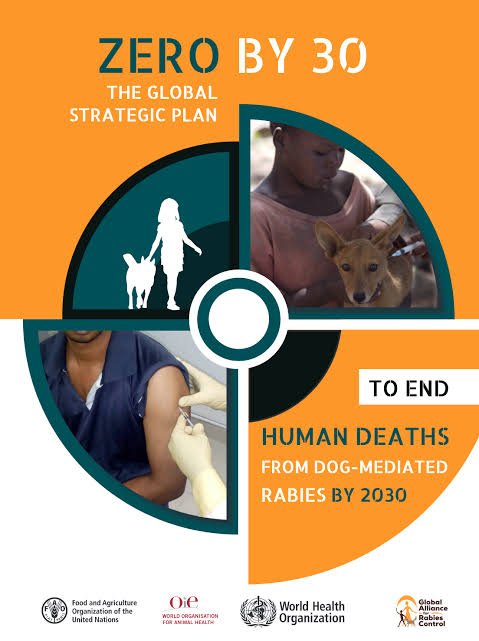
International animal-health and public-health organisations are placing renewed emphasis on implementation, surveillance, diagnostics and coordinated national programmes as the global rabies community works toward the goal of eliminating human deaths from dog-mediated rabies by 2030.

A September 30 international webinar, organised under the World Rabies Day 2026 “Stronger Together” theme, brought together the Food and Agriculture Organization, World Health Organization, World Organisation for Animal Health, Global Alliance for Rabies Control and national and technical partners.

The programme focused on translating the global Zero by 30 objective into practical national action. Areas highlighted included national rabies planning, implementation tools, surveillance, laboratory capacity, advocacy and collaboration between animal-health, human-health and community stakeholders.

Global Rabies Programme Focuses on Implementation of “Zero by 30”

The One Health structure is central to the strategy because human rabies deaths linked to dogs cannot be addressed through human healthcare alone. Effective prevention requires sustained dog vaccination, surveillance, veterinary capacity, community engagement and access to appropriate post-exposure interventions.

The September 30 programme also highlighted scientific and technical innovations, including discussion of the potential role of oral vaccination as a complementary approach to conventional dog vaccination, together with the contribution of FAO Reference Centres to laboratory capacity and quality assurance.

The focus on implementation is significant because rabies-control programmes require sustained coverage rather than isolated campaigns. Surveillance and laboratory systems are also essential for identifying transmission patterns and measuring programme performance.

Strategic Industry Implications

The rabies-control ecosystem spans veterinary vaccines, diagnostics, cold-chain infrastructure, laboratory services, animal identification, surveillance systems and community-level veterinary programmes.

For animal-health companies, the global Zero by 30 framework represents a long-duration demand environment for dog vaccines and associated veterinary services, particularly where governments and international organisations are strengthening national elimination programmes.

Analyst View

The latest global discussion reflects a transition from broad international commitment toward country-level implementation and measurable programme delivery. The central operational challenge remains integrating veterinary vaccination, surveillance, diagnostics and human-health systems into sustainable national programmes.

Animal Health India Editorial Team
Animal Health India Editorial Teamhttps://animalhealthindia.com
Animal Health India (AHI) is an independent news and intelligence platform covering the global animal health, veterinary, livestock, poultry, companion animal and pet food sectors. Our editorial team comprises veterinary journalists, animal health professionals, regulatory affairs specialists and industry analysts with over 30 years of combined experience covering India, Asia, Europe and North America. AHI publishes news, regulatory updates, market intelligence and company news drawn from primary sources including DAHD, EMA, USDA, AVMA and leading veterinary publications worldwide.

RELATED ARTICLES