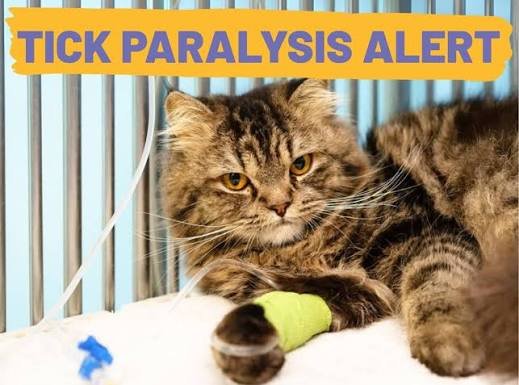
NORTH QUEENSLAND, September 30, 2026: Veterinary practices across North Queensland are reporting a surge in paralysis-tick emergencies, prompting renewed warnings to dog and cat owners as the region enters the seasonal peak for tick activity.
Tropical Vets Atherton has reportedly treated more than 20 affected animals in a single week, while veterinarians in the Atherton, Townsville and Ingham areas have observed an increase in tick-related emergencies. The seasonal rise coincides with the approach of October’s Parasite Prevention Month.
Paralysis ticks can release a neurotoxin that interferes with the nervous system of affected animals. Early clinical signs may include hind-limb weakness, vomiting, altered vocalisation and changes in coordination, with severe cases potentially progressing rapidly to respiratory or neurological compromise.
Veterinarians are therefore emphasising preventive parasite control rather than reliance on post-exposure treatment. Recommended measures include regular use of veterinarian-approved tick preventatives, daily physical examination of pets and prompt removal of attached ticks.
Common areas requiring particular attention include the ears, around collars, between the toes and other locations where ticks can remain concealed. Owners are advised to seek immediate veterinary attention if neurological or paralysis-related signs develop.
The seasonal pattern is consistent with previous Australian research indicating that spring can be a major risk period for tick paralysis in dogs and cats, rather than the risk being confined to the hottest months of the year. University of Queensland research has also documented cases occurring throughout the year.
Strategic Pet-Health Implications
The current North Queensland situation highlights the importance of preventive parasitology as a recurring companion-animal health category. Tick control combines veterinary pharmaceuticals, diagnostics, owner education and routine preventive-care compliance.
For veterinary practices, seasonal increases in tick-related presentations can generate demand for emergency treatment, hospitalisation and follow-up care, while pharmaceutical companies and veterinary channels benefit from sustained demand for preventive products.
Analyst View
The episode reinforces a broader shift in companion-animal healthcare toward continuous preventive parasite management. Seasonal disease-risk communication, veterinarian-led prevention protocols and owner compliance remain important determinants of clinical outcomes.