


HomeCompanion AnimalsMSD Animal Health Publishes New Gilvetmab Clinical Data, Advancing Canine Cancer Immunotherapy

MSD Animal Health Publishes New Gilvetmab Clinical Data, Advancing Canine Cancer Immunotherapy

Peer-reviewed studies report clinical activity of anti-PD-1 monoclonal antibody in canine melanoma and mast cell tumours

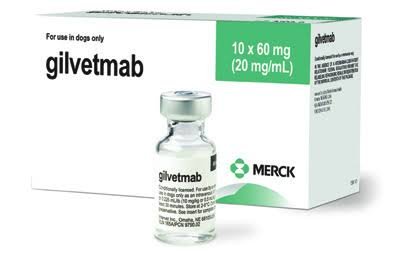
MSD Animal Health has announced the publication of two peer-reviewed studies evaluating gilvetmab, a caninized anti-programmed cell death protein 1 (PD-1) monoclonal antibody developed for canine oncology.

Announced on 1 October 2026, the research provides clinical evidence on the safety, efficacy and therapeutic potential of immune checkpoint inhibition in dogs with naturally occurring malignancies, particularly melanoma and mast cell tumours.
The studies, published in the Journal of Veterinary Internal Medicine and the Journal of the American Veterinary Medical Association, contribute to the growing evidence base for immunotherapy in veterinary oncology.

Gilvetmab: targeting immune checkpoint inhibition

Gilvetmab is a monoclonal antibody designed to bind canine PD-1, a receptor involved in regulating immune responses.

Certain cancers exploit the PD-1/PD-L1 pathway to suppress T-cell activity and evade immune surveillance. By blocking this inhibitory pathway, gilvetmab is designed to reactivate antitumour immune responses.

Unlike conventional cytotoxic chemotherapy, immune checkpoint inhibitors aim to stimulate the host immune system to recognize and attack tumour cells.

The product containing gilvetmab has conditional USDA approval in the United States for dogs with melanoma or mast cell tumours. Its conditional licensing status means that its safety and efficacy have not yet been fully established under the requirements for full licensure.

Clinical evidence: response rates in canine cancers

The underlying multi-institutional, open-label clinical study evaluated 51 client-owned dogs with melanoma or mast cell tumours, alongside a separate group of 15 dogs with lymphoma.

Clinical parameter
Melanoma
Mast cell tumours
Dogs evaluated
25
26
Objective response rate
20%
46%
Median time to progression
56 days
Not reached
Disease stages evaluated
II–III
I–III

The objective response rate represents the proportion of dogs achieving complete or partial tumour response. Stable disease is not included in this measure. No objective responses were observed in the separate lymphoma group.

Serious adverse events involving anaphylaxis, hypotension or tumour haemorrhage occurred in three of the 51 dogs in the melanoma and mast cell tumour study population, equivalent to 5.9%.

The results suggest differing levels of clinical activity across tumour types, with the study reporting a higher objective response rate in mast cell tumours than in melanoma.

However, the open-label design, relatively small sample sizes and absence of a randomized comparator group limit the conclusions that can be drawn about comparative treatment effectiveness.

Implications for veterinary oncology

Canine cancer immunotherapy is an emerging area of veterinary medicine. Immune checkpoint inhibitors offer a different therapeutic mechanism from surgery, radiotherapy and conventional chemotherapy.

The clinical findings are relevant to veterinary oncologists managing selected dogs with difficult-to-treat malignancies. They also create opportunities for further research into biomarkers, patient selection, treatment combinations and the management of immune-mediated adverse effects.

For animal-health companies, the development of targeted biologics could expand the therapeutic scope of the companion-animal pharmaceutical market, although clinical development costs, specialist distribution and regulatory requirements remain important commercial considerations.

MSD’s publication announcement also reflects the growing role of peer-reviewed clinical evidence in supporting advanced veterinary therapeutics.

Industry takeaway: Gilvetmab’s clinical research adds to the evidence supporting immune checkpoint inhibition in canine oncology, while highlighting the need for larger, controlled studies and continued safety and efficacy evaluation.

Animal Health India Editorial Team
Animal Health India Editorial Teamhttps://animalhealthindia.com
Animal Health India (AHI) is an independent news and intelligence platform covering the global animal health, veterinary, livestock, poultry, companion animal and pet food sectors. Our editorial team comprises veterinary journalists, animal health professionals, regulatory affairs specialists and industry analysts with over 30 years of combined experience covering India, Asia, Europe and North America. AHI publishes news, regulatory updates, market intelligence and company news drawn from primary sources including DAHD, EMA, USDA, AVMA and leading veterinary publications worldwide.
RELATED ARTICLES