


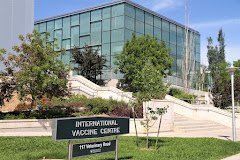
Saskatchewan strengthens its position in livestock vaccine research as Canada intensifies preparedness for high-impact animal diseases
The Vaccine and Infectious Disease Organization (VIDO) at the University of Saskatchewan has recruited three internationally experienced scientists to strengthen its research capabilities in emerging influenza, livestock vaccines and swine immunology. Announced on 1 October 2026, the appointments reinforce VIDO’s focus on developing next-generation vaccines and addressing infectious diseases with significant implications for livestock production, food security and public health.
The appointments bring expertise in three strategically important areas: highly pathogenic avian influenza (H5N1), African swine fever (ASF), and porcine immune responses.
Three specialists, three critical research priorities
Dr. Troy Sutton — Emerging influenza and H5N1
Dr. Sutton joined VIDO in July 2026, returning to Canada after nearly a decade at Pennsylvania State University. His research focuses on emerging influenza viruses, including H5N1, examining viral transmission, disease mechanisms, animal and human health risks, and vaccine development.
H5N1 has expanded beyond traditional poultry-associated concerns, with infections in US dairy cattle raising additional questions about interspecies transmission, surveillance and control.
Dr. Anna Lacasta — African swine fever and livestock vaccines
Dr. Lacasta joined VIDO in July 2026 from the International Livestock Research Institute in Kenya, where she led vaccine research on ASF and East Coast fever.
Her research at VIDO will concentrate on developing safer and more effective vaccines for ASF and other livestock diseases. ASF remains a major threat to the global pig industry because of its high economic impact, rapid spread and lack of widely available commercial vaccines.
Dr. Leonie Bettin — Porcine immunity and mucosal protection
Dr. Bettin joined in September 2026 after completing postdoctoral research at the University of Veterinary Medicine Vienna.
A veterinarian and immunologist, she studies porcine T-cell biology and mucosal immunity. Her work aims to improve understanding of how pigs respond to infection and vaccination, potentially informing more effective vaccine design and evaluation.
Economic exposure underscores the importance of vaccine innovation
The University of Saskatchewan cited estimates from a recent Canadian economic-impact study to illustrate the potential value of disease prevention.
Disease threat |
Estimated Canadian GDP protected |
Estimated jobs protected |
|---|---|---|
Avian influenza |
C$425 million |
3,200 |
African swine fever |
C$5.5 billion |
42,000 |

