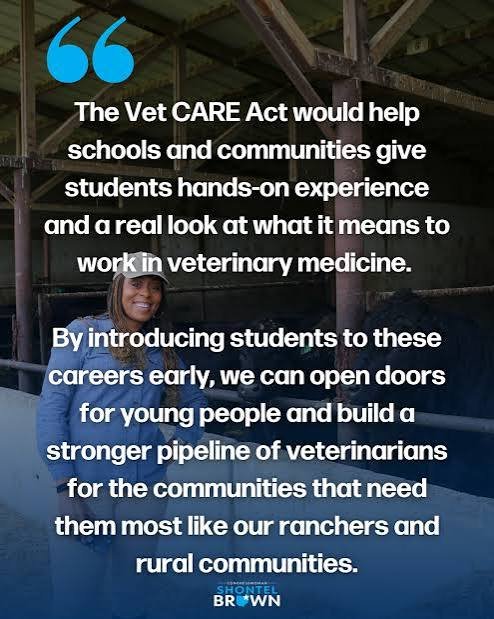


US Representative Shontel Brown introduced the Veterinary Expansion and Training for Comprehensive Animal Resources and Education (VET CARE) Act on October 1, 2026, proposing a federal grant programme to expose high-school students to veterinary medicine through practical, work-based learning.
The legislation would authorise the US Department of Agriculture (USDA) to provide competitive grants to schools, 4-H and FFA organisations, veterinary clinics and hospitals, and veterinary or animal-health offices. The proposed funding is intended to establish, develop or expand programmes that give students early exposure to veterinary careers.
Veterinarians’ Shortages
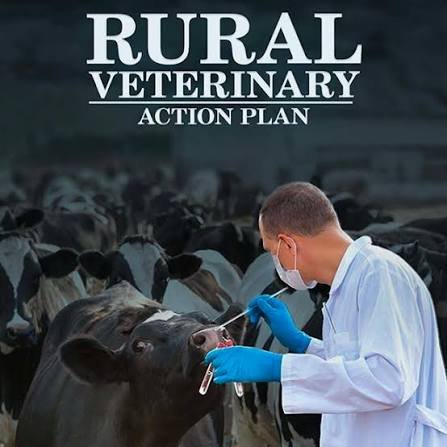
The initiative comes amid persistent concerns about veterinary workforce availability, particularly in rural communities and food-animal practice. The USDA identified veterinarian shortages in 46 states in 2025. An Ohio workforce report cited by Brown estimated that the state could face a shortage of 600–1,000 veterinarians over the following decade.
The proposed legislation focuses on the early stages of the workforce pipeline rather than directly financing veterinary-school places or providing immediate incentives to practising clinicians. Its central premise is that practical exposure, mentorship and contact with veterinary professionals could encourage more students to consider veterinary medicine—and potentially pursue careers in underserved rural and agricultural regions.
The American Association of Veterinary Medical Colleges and The Ohio State University have expressed support for the bill. Their backing reflects a broader industry concern: veterinary workforce shortages affect not only companion-animal services but also livestock productivity, animal disease surveillance, food safety and rural economic resilience.