HomeLivestockTexas New World Screwworm Rules Tighten Animal Movement Controls

Texas New World Screwworm Rules Tighten Animal Movement Controls

Texas Animal Health Commission (TAHC) introduced new animal movement requirements on October 1, 2026, covering specified movements into Texas from areas affected by New World screwworm (Cochliomyia hominivorax).

The executive director’s order establishes protocols for animals moving from designated screwworm-affected areas, including movements originating inside and outside infested zones, shipments to Texas slaughter establishments and Texas-origin animals returning from affected areas.

The requirements are designed to reduce the risk of transporting infested animals and strengthen biosecurity at a time when the United States is confronting renewed New World screwworm detections. The parasite’s larvae feed on living tissue, and infestations can cause severe wounds, secondary infections, production losses and, in serious cases, animal deaths.

Texas confirmed its first detection in June 2026. The state’s response has since involved surveillance, movement controls and coordination with federal and state authorities. According to the TAHC’s published situation information, detections have involved multiple Texas counties and premises.

Animal Movement Controls

The new requirements are scenario-specific rather than a blanket prohibition on all animal movement. Applicable protocols depend on the animal’s origin, whether the premises are within an infested zone and the intended destination. Livestock owners, transporters, markets, slaughter facilities and veterinary professionals therefore need to confirm the rules that apply to each consignment before movement.

Implications for Animal Health

The implications extend beyond cattle. Movement controls and biosecurity planning are relevant to animal-health systems that manage multiple susceptible species, although the precise scope of each order should be checked against the official requirements rather than assumed to apply identically to every species.

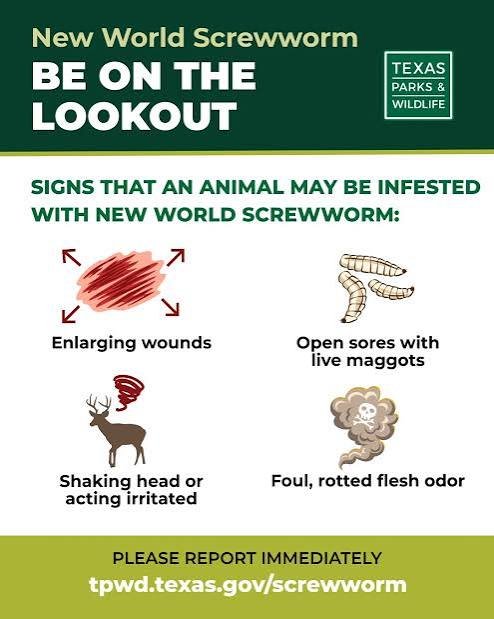
For producers, the immediate priorities include maintaining accurate animal identification and movement records, checking origin status, inspecting animals for suspicious wounds or larvae and promptly reporting suspected infestations to veterinary authorities.

For the wider livestock industry, the episode highlights the economic importance of early detection and coordinated movement management. New World screwworm is not simply a veterinary treatment issue: it can affect trade, transport logistics, slaughter operations and regional livestock supply chains.

The October 1 order should be read alongside current TAHC instructions and federal guidance, as requirements may change with the disease situation.

Animal Health India Editorial Team
Animal Health India Editorial Teamhttps://animalhealthindia.com
Animal Health India (AHI) is an independent news and intelligence platform covering the global animal health, veterinary, livestock, poultry, companion animal and pet food sectors. Our editorial team comprises veterinary journalists, animal health professionals, regulatory affairs specialists and industry analysts with over 30 years of combined experience covering India, Asia, Europe and North America. AHI publishes news, regulatory updates, market intelligence and company news drawn from primary sources including DAHD, EMA, USDA, AVMA and leading veterinary publications worldwide.

RELATED ARTICLES