


AnimalHealthIndia.com | Research News | 15 October 2026
Primary research: BMC Veterinary Research, published 11 September 2026. Read the original study
A retrospective study of 227 shelter dogs in the United States found that vaccine type, previous vaccination and reproductive status were associated with antibody detection and canine distemper virus infection.
The findings reinforce the importance of vaccination history, intake protocols and outbreak surveillance—while highlighting why observational results should not be interpreted as proof that one vaccine is universally superior.
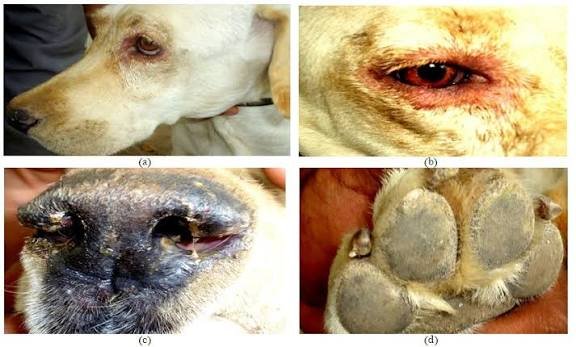
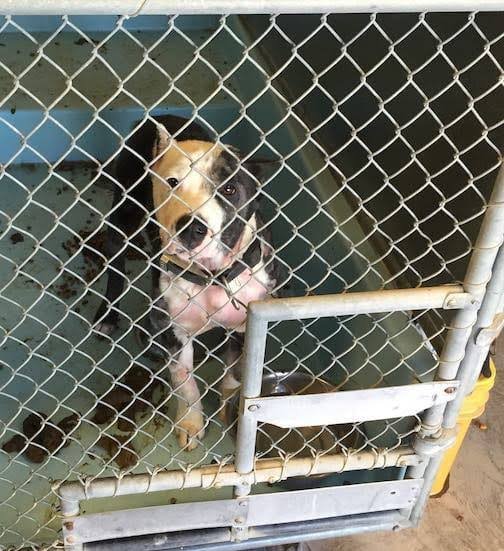
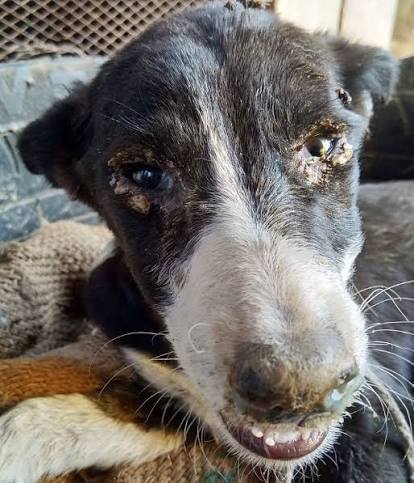
Canine distemper remains a serious infectious-disease challenge for animal shelters, where dogs with unknown vaccination histories may be exposed to canine distemper virus (CDV) soon after arrival. High animal turnover, close-contact housing and uncertainty about previous immunity can complicate outbreak prevention and control.
A study published in BMC Veterinary Research on 11 September 2026 examined the relationship between vaccine type, antibody response and infection during two CDV outbreaks at a large shelter in the southwestern United States. Researchers reviewed records from 227 dogs tested by PCR and/or serum-neutralising antibody testing, investigating how early immune responses and other characteristics were associated with infection. The study was retrospective and observational, so its findings should be interpreted in the context of the shelter and outbreaks examined. Read the study.
Key findings: Vaccine response and infection risk
The study reported several findings relevant to shelter veterinarians and animal-welfare organisations:
Study measure |
Reported result |
Interpretation |
|---|---|---|
Dogs sampled within four days of intake |
68 |
Early antibody status was assessed in a subset of incoming dogs |
Dogs with detectable antibodies in that subset |
36/68 (53%) |
Many dogs lacked detectable antibodies at intake, although this does not by itself establish complete susceptibility |
Adult dogs with no documented prior vaccination, receiving one vaccine type |
54 |
Comparison of single-dose response to modified-live virus and recombinant canarypox-vectored vaccines |
Modified-live virus (MLV) recipients who seroconverted |
29/30 (97%) |
A detectable antibody response was more consistently observed in this study group |
Recombinant canarypox-vectored (rCV) recipients who seroconverted |
14/24 (58%) |
The proportion responding after one dose was lower in this cohort |
Wild-type CDV PCR-positive dogs |
23 |
Nine cases occurred in outbreak one and 14 in outbreak two |
PCR-positive dogs reported as intact |
23/23 |
Intact reproductive status marked a higher-risk group in the observed outbreaks |
Dogs with documented vaccination before intake |
2% positivity, compared with 13% among those without that documentation |
Prior vaccination documentation was associated with lower PCR positivity |
Source: Kreisler and colleagues, BMC Veterinary Research, 2026. Results refer to the populations and analyses reported in the study; they are not universal estimates for all shelters.
1. Modified-live vaccination produced more consistent single-dose seroconversion in the study
Among adult dogs with no documented vaccination history that received a single shelter vaccine type, 29 of 30 MLV recipients (97%) seroconverted, compared with 14 of 24 rCV recipients (58%). The authors reported an odds ratio of 14.2, with a wide 95% confidence interval of 2.3–88.1.
These results may inform shelter vaccination policies, but they do not justify a blanket conclusion that MLV is always the better choice. Vaccine selection must take account of product labelling, the dog’s clinical circumstances, local protocols, the timing of exposure and veterinary guidance. The study was not a randomised, controlled comparison across multiple shelters.
2. Vaccine type and PCR positivity: An association, not proof of causation
Across the two outbreaks, 23 dogs tested positive for wild-type CDV. In the second outbreak—when both vaccine types were being used—dogs vaccinated with the recombinant product were more likely to test PCR-positive than the comparison group. The adjusted odds ratio was 8.5 (95% CI 1.5–48.7).
That result needs careful interpretation. The authors noted that vaccine use was clustered in time with the second outbreak, creating the possibility of residual temporal confounding. Differences in exposure timing, outbreak conditions or other unmeasured factors could have contributed to the association.
The study therefore does not establish that the recombinant vaccine caused infection or that the finding would recur under different shelter conditions. Nor should a PCR-positive result automatically be treated as proof of vaccine failure: vaccination does not produce instantaneous protection, and infection risk depends on when exposure occurs relative to vaccination and immune response.
3. Previous vaccination documentation mattered
Dogs with documented vaccination before intake had a lower observed PCR-positivity rate than dogs without such documentation: 2% versus 13%. This association supports the practical value of reliable vaccination records and appropriate vaccination before shelter entry where feasible.
However, missing documentation is not equivalent to confirmed absence of vaccination. Likewise, the observational comparison cannot fully separate the effect of vaccination from other differences between dogs with and without records.
For shelter operators, the operational lesson is to capture vaccination dates, product details and prior medical history at intake, while recognising that undocumented status may require treating a dog’s immunity as uncertain.
4. Reproductive status was associated with infection
All 23 dogs that tested positive for wild-type CDV were reported to be intact. The finding identifies intact status as a marker associated with the cases in these outbreaks, but it does not demonstrate that reproductive status itself caused infection. Other factors—including age, intake history, housing, movement through the shelter and timing of exposure—may be relevant.
Shelters should not use this result alone to make sterilisation decisions or to substitute reproductive-status screening for infection-control measures. It is better viewed as a signal that warrants further investigation in larger, multi-shelter datasets.
5. Did a routine day-14 revaccination provide additional benefit?
The investigators evaluated revaccination on day 14 after intake. After accounting for immortal-time bias using time-varying Cox and landmark analyses, the study found no measurable additional benefit from the routine day-14 dose in the dataset.
This is not evidence that follow-up vaccination is unnecessary. A retrospective study of two outbreaks cannot settle the best vaccination schedule for every shelter, nor override the relevant product label or professional guidelines. It does, however, raise a useful research question: how should shelters optimise the timing of initial vaccination and subsequent doses when exposure may occur soon after intake?
Implications for shelter medicine and animal-health businesses
The findings have practical implications across shelter management, veterinary services, diagnostics and vaccine development:
-
At intake: Review available vaccination records, assess clinical status and follow a documented protocol for prompt vaccination.
-
During outbreaks: Combine vaccination with isolation of suspect cases, appropriate testing, cohorting, cleaning and disinfection, and veterinary-led outbreak management.
-
For surveillance: Record vaccine product and date, reproductive status, intake timing, housing and test results. These data can help distinguish associations from the effects of exposure and timing.
-
For vaccine manufacturers: The study underscores the importance of real-world effectiveness data under high-pressure shelter conditions, where protection may be needed soon after entry.
-
For diagnostic providers: PCR and antibody tests answer different questions. Interpretation should consider the assay, sampling time, clinical presentation and vaccination history.
The study also illustrates a broader point about infectious-disease control: a vaccine response measured in a laboratory is only one component of protection at population level. The timing of immunity relative to exposure, the quality of intake procedures and the speed of outbreak recognition can all affect outcomes.
Limitations and what comes next
The evidence comes from 227 dogs at one large southwestern US shelter during two outbreaks. The vaccine-response comparison involved only 54 adult dogs meeting the specified criteria, and the confidence intervals around the reported associations were wide. The outbreak-specific relationship between vaccine type and PCR positivity may also have been influenced by timing.
Future research should test whether these patterns hold across multiple shelters, different populations and varying exposure conditions. Prospective studies could also compare vaccination timing, measure the development of immunity over time and assess outcomes alongside shelter-level biosecurity practices.
Conclusion
The study provides useful field evidence that vaccine type, prior vaccination documentation and reproductive status were associated with antibody response or CDV infection in the shelter setting examined. Its strongest operational message is not that one vaccine should replace another everywhere, but that early vaccination decisions, reliable records and disciplined outbreak surveillance must work together.
For shelter veterinarians, animal-welfare organisations and vaccine developers, the next step is to validate these observations across broader populations and translate them into protocols that reflect local disease risk, product guidance and real-world shelter conditions.
Source: Kreisler R, O’Quin J, Cornell H, et al. “Vaccine type and reproductive status are associated with antibody response and canine distemper infection in shelter dogs: a retrospective cohort study.” BMC Veterinary Research (published 11 September 2026). https://doi.org/10.1186/s12917-026-05907-9

