

HomeCorporateShamonda Virus in France: First Human Infection / Fatality and Livestock Health...

Shamonda Virus in France: First Human Infection / Fatality and Livestock Health Risks

France reports an unprecedented human infection with Shamonda Virus

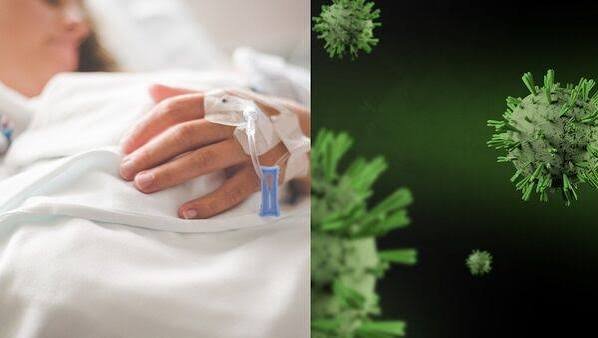
France reported the first documented human infection with Shamonda virus on 22 October 2026, bringing renewed attention to an emerging livestock-associated pathogen circulating in Europe. The patient, a severely immunocompromised man in his 60s living in the Lyon area, died in early October after receiving treatment for a serious underlying illness.

French authorities announced the case following investigations that identified the virus in the patient. The European Centre for Disease Prevention and Control (ECDC) confirmed that it was monitoring the situation and working with French authorities and European partners to assess potential public-health implications.

French authorities have stated that, based on currently available knowledge, no risk to the general population has been identified.

What is Shamonda virus?

Shamonda virus (SHAV) is an orthobunyavirus historically associated with animals rather than recognised human disease. It was first identified in Nigeria in the 1960s and has previously been detected in livestock outside Europe.

  • Pathogen Type: An insect-borne Orthobunyavirus in the Simbu serogroup

  • Natural Hosts: Primarily affects ruminant livestock such as cattle, sheep, and horses (causing fever, diarrhea, and reduced milk yield)

  • Geographic Spread: Originally identified in Nigeria in the 1960s and present in parts of Africa and Japan, the virus (or a closely related “Shamonda-like” strain) emerged across several Western European countries—including France, Germany, Spain, and the Netherlands—during the summer of 2026

  • Investigation Status: Clinical, biological, and epidemiological investigations by French authorities, the World Health Organization (WHO), and the European Centre for Disease Prevention and Control (ECDC) are ongoing.

The virus is transmitted among animals through the bites of infected biting midges belonging to the genus Culicoides. The particular midge species potentially responsible for the French human infection has not yet been identified.

Cattle are a principal affected species, although infections have also been reported in other animals, including sheep, goats, horses and alpacas. Clinical signs in affected livestock can include diarrhoea, weakness, reduced appetite and, less frequently, fever. In dairy cattle, the economic consequences may be substantial if illness reduces milk production.

Key Details of the Case

  • Patient Profile: A severely immunocompromised patient who was receiving treatment for a serious underlying illness

  • Timeline & Outcome: The patient was infected and died in early October 2026; the case was publicly reported on October 22, 2026

  • Suspected Transmission Route: Believed to be a bite from a Culicoides biting midge in eastern France, where the livestock virus has been circulating

  • Public Health Risk: French health ministries and international reporting state that no health risk to the general public has been identified, as human-to-human transmission has never been documented and the event appears isolated to a vulnerable individual
European livestock detections raise surveillance questions

Shamonda virus was detected in European farm animals for the first time in summer 2026. Genomic investigations identified the virus in sick cattle, with detections subsequently reported across multiple European countries.

According to ECDC’s 22 October update, animal infections have been identified in Austria, Belgium, France, Germany, Ireland, Italy, Liechtenstein, Luxembourg, the Netherlands, Portugal, Spain and Switzerland, as well as Jersey.

The geographical spread makes surveillance of livestock, vector activity and unusual disease presentations increasingly important. However, the detection of the virus in multiple countries does not automatically mean that all detections represent newly established outbreaks, nor does it establish the scale of infection in each national herd.

French animal-health reporting has also highlighted potential production losses. Reuters reported that a study involving nine French dairy farms found milk production fell by as much as 75% in affected herds. This is a finding from a specific study, not a national estimate or a prediction that all infected farms will experience equivalent losses.

For dairy businesses, the finding underlines the importance of investigating unexplained production declines alongside clinical signs and laboratory evidence.

What authorities are investigating

The immediate priorities are to clarify how the patient became infected, determine whether Shamonda virus contributed to the death, and assess whether additional human infections may have occurred.

ECDC is coordinating with French authorities and European partners. It has also indicated that work with the relevant EU reference laboratory will strengthen testing capacity and support member states in identifying potential additional cases.

Implications for animal-health companies

For veterinary diagnostic companies, the immediate opportunity is not to market an unvalidated test or imply that a new human epidemic is developing. It is to monitor official laboratory guidance and determine whether existing assays can reliably detect the virus in relevant animal samples.

Livestock producers and veterinarians should follow national veterinary guidance, report unusual clusters of illness and investigate production losses through appropriate diagnostic channels. Vector ecology, seasonal activity and local livestock movements may all be relevant to veterinary risk assessments.

Animal Health India Editorial Team
Animal Health India Editorial Teamhttps://animalhealthindia.com
Animal Health India (AHI) is an independent news and intelligence platform covering the global animal health, veterinary, livestock, poultry, companion animal and pet food sectors. Our editorial team comprises veterinary journalists, animal health professionals, regulatory affairs specialists and industry analysts with over 30 years of combined experience covering India, Asia, Europe and North America. AHI publishes news, regulatory updates, market intelligence and company news drawn from primary sources including DAHD, EMA, USDA, AVMA and leading veterinary publications worldwide.
RELATED ARTICLES