HomeLivestockEU Live Animal Transport Rules: Livestock Carrier Safety Debate

EU Live Animal Transport Rules: Livestock Carrier Safety Debate

A debate over the safety of livestock carriers is adding a maritime dimension to the European Union’s continuing review of animal transport legislation. Industry reporting published on 21 October 2026 described Danish Shipping’s call for stronger safety standards for vessels transporting livestock, including clearer definitions, more consistent inspections and equivalent scrutiny of ships operating under different flags.

The available evidence supports a call for stronger standards—not the claim that negotiators have already introduced a new set of binding ventilation and stocking-density requirements.

What is being discussed?

The European Commission proposed a revision of EU animal transport legislation in December 2023. The proposed reforms aim to improve animal welfare through updated transport conditions, greater space allowances, protection against extreme temperatures and stronger enforcement. The legislative proposal remains under examination by the European Parliament and the Council.

Danish Shipping’s concerns add a focus on vessel safety and the conditions under which livestock carriers are inspected and approved. The industry position calls for non-EU-flagged ships to undergo equivalent survey and approval processes to those applied to EU-flagged ships. The stated rationale is to improve animal welfare while protecting seafarers and the marine environment.

Why ship standards matter for animal health

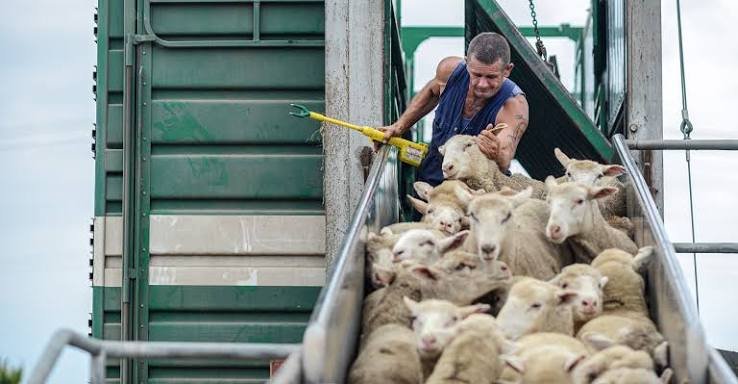
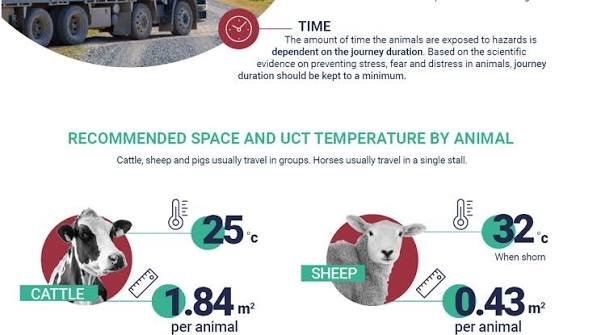
Live-animal transport by sea creates operational risks that differ from those encountered during short road journeys. Ventilation, temperature control, water availability, stocking density, journey duration and access to animals during emergencies can all influence welfare. Vessel design and maintenance also affect the ability of crews to manage livestock safely during adverse conditions.

For animal-health professionals and livestock exporters, stronger inspection and recordkeeping practices could improve traceability and make it easier to identify recurring welfare problems. For shipowners, however, additional survey, engineering and compliance requirements may entail capital costs, operational changes and more detailed documentation.

The ultimate impact would depend on the final legal text, implementation timetable, enforcement arrangements and treatment of vessels registered outside the EU.

Regulatory Satus: Proposal, not Adopted Reform

The European Commission’s official overview confirms that the transport proposal remains under consideration by the co-legislators. It also distinguishes the transport file from separate EU measures and legislative work concerning other aspects of animal welfare.

The October reporting should therefore be framed as an industry call for stronger livestock-carrier safety and as part of an ongoing legislative debate. It does not establish that a new maritime regulation has been adopted, that the full set of proposed ventilation and stocking-density measures is already mandatory, or that a final agreement has been reached.

Industry Outlook

Livestock exporters, vessel operators, animal-welfare organisations, veterinary inspectors and insurance providers should monitor the formal negotiating positions and eventual legal text. The central issue is how to align welfare standards with vessel safety, enforceability and fair treatment of operators across flag states.

Animal Health India Editorial Team
Animal Health India Editorial Teamhttps://animalhealthindia.com
Animal Health India (AHI) is an independent news and intelligence platform covering the global animal health, veterinary, livestock, poultry, companion animal and pet food sectors. Our editorial team comprises veterinary journalists, animal health professionals, regulatory affairs specialists and industry analysts with over 30 years of combined experience covering India, Asia, Europe and North America. AHI publishes news, regulatory updates, market intelligence and company news drawn from primary sources including DAHD, EMA, USDA, AVMA and leading veterinary publications worldwide.

RELATED ARTICLES