INGELHEIM, Germany and REDMOND, WA — In a major strategic initiative aimed at transforming biopharmaceutical research and development, Boehringer Ingelheim and Microsoft today announced a comprehensive collaboration to accelerate AI-enabled clinical trial design, disease modeling, and therapy deployment.
The joint venture centers on establishing a technical foundation for Digital Patient Twins —computational biophysical representations of human patients designed to predict disease progression and individual therapeutic responses. By merging Boehringer Ingelheim’s deep clinical and scientific expertise with Microsoft’s enterprise cloud infrastructure and advanced AI capabilities, the companies aim to streamline clinical trials, reduce dependency on traditional control groups, and deliver safe, effective medicines to patients faster.

Digital Patient Twins: Revolutionizing Clinical Trial Design
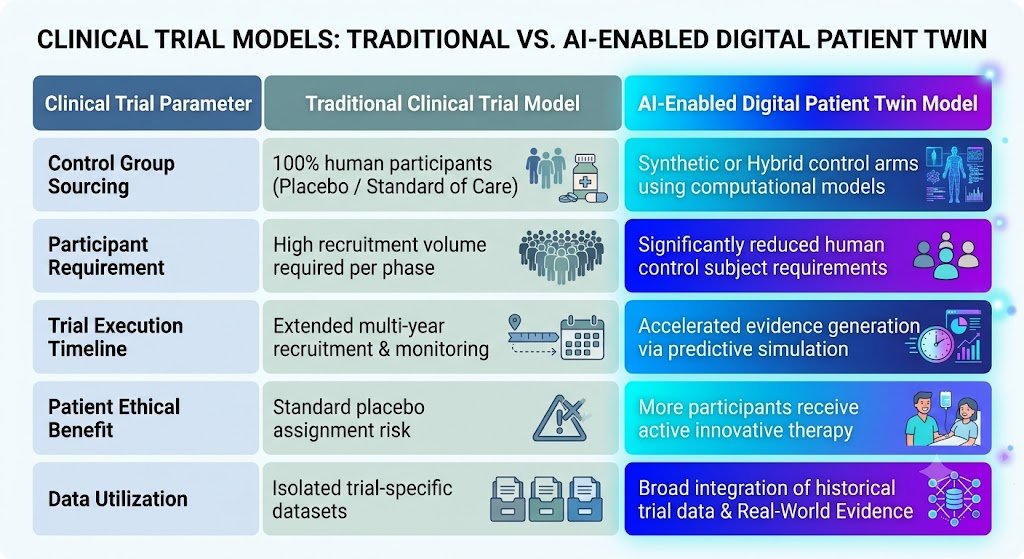
Clinical trials traditionally rely on physical control arms composed of patients who receive standard of care or placebos to benchmark the safety and efficacy of an experimental therapy. This process requires significant participant recruitment, extends trial timelines, and introduces ethical and operational complexities.
The collaboration between Boehringer Ingelheim and Microsoft directly addresses these hurdles by building predictive Digital Patient Twins. These computational models incorporate clinical trial historical data, real-world evidence (RWE), biomarker profiles, and longitudinal patient health records to construct virtual patient cohorts.
-
The joint research initiative focuses on three core pillars:
Disease-Progression Modeling: Simulating biological mechanisms to project how chronic and acute diseases evolve over time across diverse patient populations
-
Predictive Outcome Modeling: Predicting clinical endpoints, adverse events, and therapeutic responses under varying dosage and treatment scenarios
-
Advanced Trial Simulation: Utilizing synthetic and hybrid control arms—combining existing clinical data with virtual patient models to replace or supplement traditional human control groups