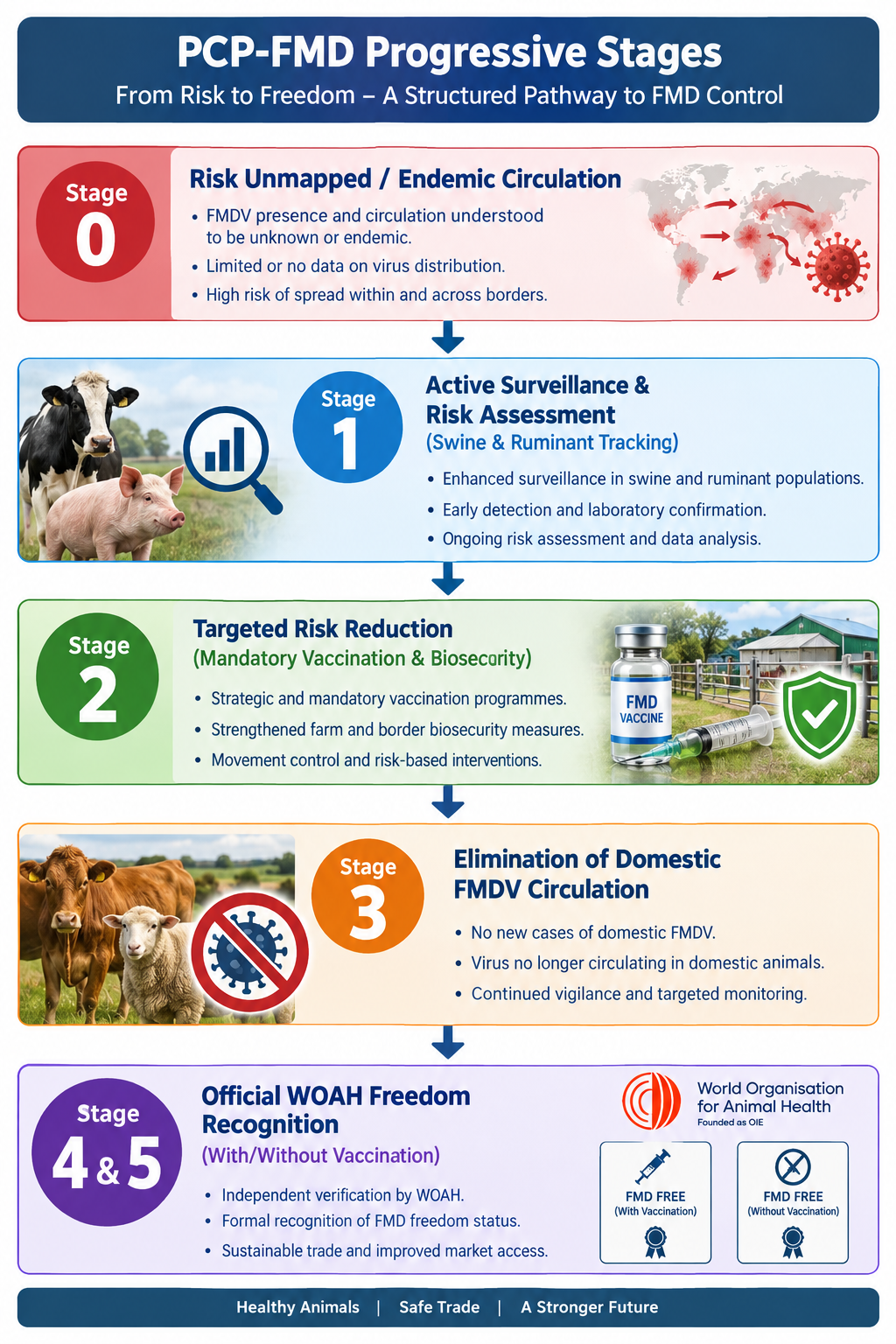
ROME, Italy and WINDHOEK, Namibia — The Food and Agriculture Organization of the United Nations (FAO), in joint technical coordination with the World Organisation for Animal Health (WOAH) and the European Commission for the Control of Foot-and-Mouth Disease (EuFMD), has released updated global guidelines under the Global Strategy for the Control of Foot-and-Mouth Disease (2026–2030).
The updated strategy introduces heightened biosecurity protocols, transboundary surveillance frameworks, and targeted vaccination mandates across both swine (Sus scrofa domesticus) and cloven-hoofed ruminant populations. This global intervention follows recent epidemiological detections of Foot-and-Mouth Disease Virus (FMDV) within commercial swine herds in Cyprus and smallholder livestock zones in northern Namibia.
Background & Epidemiological Context
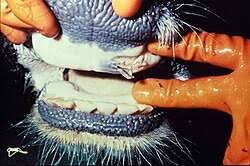
Foot-and-Mouth Disease is a highly contagious aphthovirus belonging to the Picornaviridae family. It affects cloven-hoofed animals—including cattle, swine, sheep, goats, and wild ruminants. While adult mortality from FMDV is generally low (under 5%), the virus causes severe morbidity characterized by high fever, painful vesicular lesions on the mouth, snout, teats, and feet, leading to acute lameness, emaciation, and drastic drops in milk and meat productivity.
Historically, cattle have been viewed as the primary indicator species due to obvious clinical signs. However, pigs act as “amplifying hosts” capable of excreting up to 1,000 times more airborne virus particles per day via respiratory aerosol emissions compared to cattle or sheep.
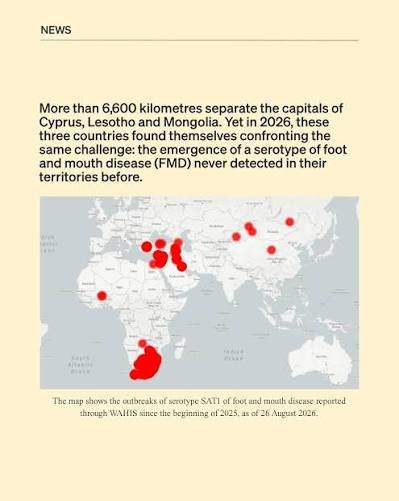
The confirmation of FMDV serotypes in domestic swine populations across Cyprus (European Union border region) and the Zambezi region of Namibia has raised alarms regarding cross-species viral spillover, potential trade disruptions, and transboundary spread through swine transport corridors.
Parameter |
Swine (Amplifying Host) |
Cattle (Indicator Host) |
Sheep/Goats (Maintenance Host) |
Clinical Severity |
Severe foot/snout lesions, hoof sloughing |
High fever, oral vesicles, milk drop |
Often mild or subclinical |
Viral Excretion (Aerosol) |
Up to $10^9 TCID50/day |
$10^5 – 10^6 TCID50/day |
Low aerosol output |
Primary Route of Infection |
Ingestion of contaminated feed/swill |
Inhalation of airborne virus |
Inhalation / direct contact |
Carrier State |
No long-term carrier state |
Long-term carrier (>28 days) |
Long-term carrier (>28 days) |