

HomeCorporatePomerantz Investigates Neogen Corporation After FDA Links HYCOAT Contamination to Nearly 100...

Pomerantz Investigates Neogen Corporation After FDA Links HYCOAT Contamination to Nearly 100 Equine Infections

Pomerantz Opens Neogen Investor Investigation Following FDA Warning Over Contaminated Veterinary Product

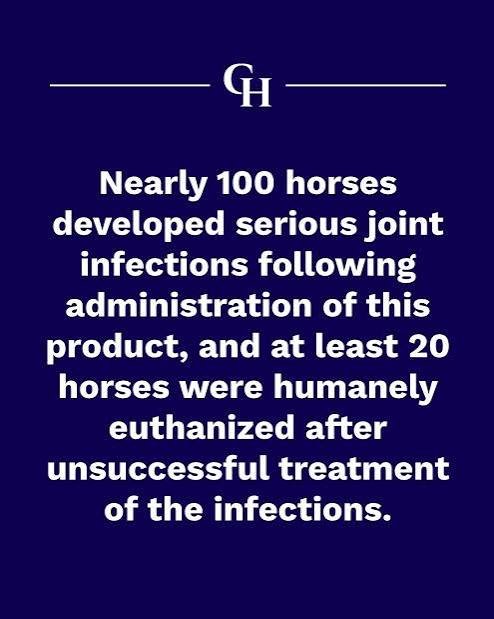
UNITED STATES — 28 October 2026: Pomerantz LLP has launched an investigation into potential claims on behalf of investors in Neogen Corporation (NASDAQ: NEOG), following a US Food and Drug Administration (FDA) warning letter concerning Neogen Vet HYCOAT, a veterinary wound-management solution labelled as sterile. The FDA linked the product to serious infections in nearly 100 horses, including at least 20 that were humanely euthanised after treatment failed. Pomerantz announced its investigation subsequent to FDA Action.

The investigation follows an FDA warning letter dated 23 September and a public FDA announcement on 29 September 2026. The agency reported that its investigation found fungal contamination in HYCOAT and identified significant manufacturing, quality-control and labelling violations. The product had already been subject to a voluntary nationwide recall initiated by Neogen on 28 January 2026.

Important legal distinction: Pomerantz’s announcement concerns potential claims by Neogen investors, including whether the company or certain officers and directors made materially misleading statements or failed to disclose relevant information. It is an investigation by a Legal Counsel and not by any Govt Agency, not a court finding that securities fraud occurred, and it should not be confused with a final judgment or a certified class action concerning injured horses.
Key facts: the HYCOAT contamination case

Indicator
Verified information
Company
Neogen Corporation (NASDAQ: NEOG)
Product
Neogen Vet HYCOAT, hyaluronate sodium sterile solution
FDA warning letter
23 September 2026
FDA public announcement
29 September 2026
Recall initiated
28 January 2026
Equine cases
More than 95 individual cases reviewed in the FDA warning letter; nearly 100 serious infections reported by the agency
Reported fatalities
At least 20 horses humanely euthanised
Recall scope
Approximately 133,000 unexpired units sold since 2023
Fungi identified
Five species in FDA testing of a product lot
Neogen share-price reaction
Fell US$0.99, or 7.22%, on 29 September, closing at US$12.73
Investor investigation
Pomerantz announcement dated 22 October 2026
Sources: FDA warning letter and safety announcement, Neogen’s SEC filing, and Pomerantz’s investor notice.

The FDA cautioned that the fatality figure represents deaths reported to the agency. It also said the final outcomes were not known for many injured horses. Consequently, the reported numbers should not be interpreted as a complete final count of every affected animal.
What went wrong with Neogen Vet HYCOAT?

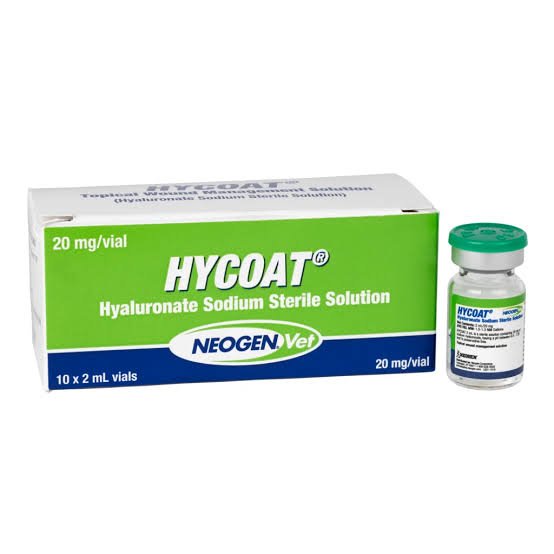
HYCOAT is a hyaluronate sodium solution marketed for topical wound management, including surgical wounds, burns and ulcers. Neogen distributed the product under its own label, while an unaffiliated third-party contract manufacturer produced it. The product’s packaging—a glass vial with a septum top—resembles packaging commonly used for sterile injectable drugs.

The FDA said veterinarians had also commonly used HYCOAT as an intra-articular injection, meaning administration into a joint. That route was inconsistent with the product’s labelled intended use. However, the FDA noted that its investigation identified this use as a real-world practice and found the labelling did not adequately warn against it. The agency also explained that a contaminated product could pose risks when used topically on open wounds.

Neogen’s January recall announcement said the company had received adverse-event reports in horses following intra-articular injections. It initially identified microbial contamination in certain 10 mL/50 mg vials and recalled the 2 mL/20 mg vials as a precaution. The company said at that time it had not received reports of adverse events when the product was used consistently with its labelled directions.

The FDA’s later investigation went further by linking the product’s contamination to the serious equine infections and identifying manufacturing and labelling violations.

Five fungal species identified by FDA testing

Laboratory testing of HYCOAT lot 5A001 found viable fungal contaminants. The FDA identified the following species:

  1. Purpureocillium lilacinum

  2. Paraisaria heteropoda

  3. Gongronella lacrispora

  4. Purpureocillium sodanum

  5. Isaria takamizusanensis

The FDA highlighted Purpureocillium lilacinum as particularly resistant to antifungal drugs, making infections caused by the organism difficult to treat. Introducing fungi into a joint can cause severe inflammation, tissue damage and infection; systemic illness may also occur. In the cases reported to the agency, at least 20 horses were euthanised after unsuccessful treatment.

These findings underline why sterility is a critical quality attribute for products that may contact open wounds or internal tissues. A product represented as sterile must meet the quality standards implied by that representation, and packaging or intended use must not create a misleading impression of safety.

FDA inspection found manufacturing and labelling deficiencies

The FDA warning letter described multiple deficiencies at the contract manufacturing facility. These included inadequate cleaning of the manufacturing environment, insufficient air-quality and environmental monitoring, lack of personnel sampling, absence of airflow smoke studies in an ISO 5 area, inadequate gowning practices and manufacturing simulations that did not adequately represent worst-case conditions. The FDA also described the cleanroom as being in poor repair and unsuitable for sterile production.

The agency concluded that HYCOAT was adulterated under provisions of the Federal Food, Drug, and Cosmetic Act because it was manufactured under insanitary conditions and because laboratory testing found contamination in a product labelled sterile. It also cited misbranding concerns, including inadequate directions for use and a sterile representation inconsistent with the test results.

The FDA emphasised that Neogen remained responsible for ensuring the quality and legal compliance of a product distributed under its label, even though an outside manufacturer produced it. The warning letter required Neogen to explain the corrective steps it had taken within 15 working days of receipt. The letter warned that failure to address the violations could lead to further regulatory or legal action.

Recall scope and financial implications

Neogen’s regulatory filing reported that the recall affected approximately 133,000 unexpired units sold from 2023 onward. The units were distributed in the United States, Puerto Rico and certain Latin American markets between February 2023 and November 2025. Neogen said it was offering full refunds to affected customers.

The same filing disclosed a US$0.6 million accrual in February 2026 for estimated customer refunds. In the first quarter of fiscal 2027, the company reduced that accrual by US$0.2 million based on updated estimates of expected returns and refunds. The figures relate to the company’s estimated refund obligation; they do not represent a complete estimate of potential litigation costs, reputational damage or other consequences.

Neogen also disclosed that it had received several demand letters relating to the product, was aware of three individual lawsuits and an uncertified class-action lawsuit filed on behalf of one named plaintiff. The company said the lawsuit filed in March 2026 was settled on 28 September. It stated that it believed it had strong defences, including that it acted as distributor rather than manufacturer, and that its initial evidence reflected adverse events when the product was used inconsistently with its labelled intended use. These are the company’s disclosed positions, not independent findings that resolve liability.

Why Pomerantz’s investigation matters to investors

Pomerantz announced that it was investigating whether Neogen and certain officers or directors engaged in securities fraud or other unlawful business practices. The firm cited the FDA’s 29 September announcement and reported that Neogen shares fell US$0.99, or 7.22%, to close at US$12.73 that day.

A one-day share-price decline demonstrates a market reaction but does not, by itself, prove securities fraud or establish that the FDA announcement was the sole cause of the movement. Any securities claim would require analysis of the relevant statements and disclosures, what the company knew and when, materiality, investor loss and other applicable legal requirements.

For animal-health companies, the case also illustrates the business risks associated with third-party manufacturing. Contract manufacturing can provide production capacity and specialist expertise, but it does not remove the distributor’s need for effective supplier qualification, quality agreements, audit oversight, deviation management and ongoing monitoring.

Industry outlook: sterility assurance and supplier oversight under scrutiny

The HYCOAT case is a significant animal-health product-quality event because the FDA says it is the largest number of horse deaths associated with a quality defect in an FDA-regulated veterinary medical product. It also demonstrates the importance of prompt adverse-event reporting: the FDA said voluntary reports from veterinarians were essential to triggering its investigation.

For manufacturers, distributors and veterinary practices, the implications extend beyond the specific product. Companies should ensure that products labelled sterile are supported by robust manufacturing controls and appropriate testing, and that labelling clearly communicates intended use and material risks. Veterinarians and animal owners should follow recall notices and report suspected adverse events or product-quality concerns to the appropriate authorities.

Bottom line

Pomerantz’s investigation adds investor scrutiny to an already serious regulatory and product-liability situation. The confirmed facts include the FDA’s contamination findings, the January recall, at least 20 reported horse deaths and the agency’s identified manufacturing and labelling violations. Whether Neogen faces additional securities liability, and the ultimate financial consequences, remain unresolved.

Animal Health India Editorial Team
Animal Health India Editorial Teamhttps://animalhealthindia.com
Animal Health India (AHI) is an independent news and intelligence platform covering the global animal health, veterinary, livestock, poultry, companion animal and pet food sectors. Our editorial team comprises veterinary journalists, animal health professionals, regulatory affairs specialists and industry analysts with over 30 years of combined experience covering India, Asia, Europe and North America. AHI publishes news, regulatory updates, market intelligence and company news drawn from primary sources including DAHD, EMA, USDA, AVMA and leading veterinary publications worldwide.
RELATED ARTICLES