


Integrated antibody R&D targets a key bottleneck in veterinary biologics
27 October 2026 — Animal Health Biotechnology: Creative Biolabs is highlighting an integrated research and development framework for veterinary therapeutic antibodies, bringing together antibody engineering, candidate evaluation and development services intended to support the progression of targeted biologics for companion animals.
The company’s published veterinary antibody service portfolio describes a staged workflow spanning species-compatible antibody engineering, functional evaluation, developability assessment, cell-line and culture-process development, purification, stability and formulation work. These services are designed to help researchers assess whether an antibody candidate has the biological activity and technical characteristics needed for further preclinical development.
Source: Creative Biolabs — Veterinary Therapeutic Antibody R&D Services.
Why therapeutic antibodies are attracting veterinary-sector interest
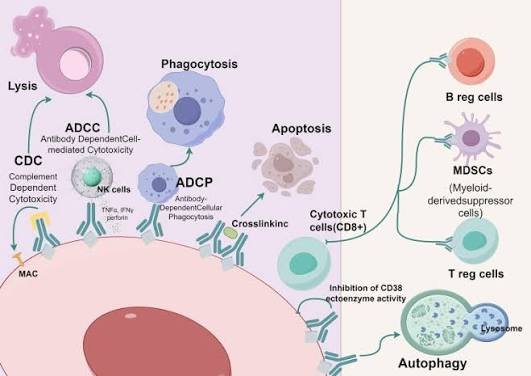
Therapeutic antibodies are designed to recognise particular molecular targets, potentially allowing treatment to be directed towards specific immune pathways, inflammatory mediators, pathogens or disease-associated proteins.
In veterinary medicine, the approach has gained attention in areas such as chronic inflammatory disease, oncology and selected immune-mediated conditions. Monoclonal antibodies can offer a different treatment strategy from conventional small-molecule drugs, particularly where a disease mechanism involves a defined extracellular target.
However, successful development requires more than demonstrating that an antibody binds to its target. A candidate must retain appropriate biological activity, remain sufficiently stable, be manufactured consistently and demonstrate acceptable safety and efficacy in the intended animal species.
The development challenge is particularly important in veterinary medicine, where the costs of biologic manufacturing and clinical development must ultimately be reconciled with treatment affordability and the size of the eligible patient population.
What an integrated veterinary antibody workflow can include
Creative Biolabs’ published service description outlines several technical stages that may help researchers move from an initial antibody concept towards preclinical development.
Development stage |
Principal objective |
Relevance to veterinary drug development |
|---|---|---|
Antibody engineering |
Adapt the antibody framework and optimise binding or molecular format |
Supports compatibility with the target animal species |
Functional evaluation |
Examine potency, mechanism and relevant biological activity |
Helps establish whether target engagement produces the intended effect |
Developability assessment |
Assess stability, solubility and sequence-related liabilities |
Identifies potential problems before expensive development stages |
Pharmacology and safety-related studies |
Generate fit-for-purpose preclinical evidence |
Helps guide dose selection and further testing |
Process development |
Develop expression, cell culture and purification approaches |
Supports reproducibility and manufacturing feasibility |
Formulation and stability |
Assess product characteristics under defined conditions |
Helps determine suitability for subsequent development |

