


Six Countries Face Highest Risk as Heavy Rains Raise Outbreak Concerns
Source: FAO and IGAD | Risk outlook: October 2026–January 2027
The Food and Agriculture Organization of the United Nations (FAO) and the Intergovernmental Authority on Development (IGAD) have issued an urgent warning that unusually heavy rainfall and flooding associated with strong El Niño conditions could increase the risk of Rift Valley fever (RVF) outbreaks across Eastern Africa. Their alert calls on countries to strengthen disease surveillance, prepare veterinary supplies and vaccines, and coordinate animal and human health responses before outbreaks emerge.
Key facts: FAO–IGAD RVF alert
Highest-risk countries – 6; Ethiopia, Kenya, Somalia, South Sudan, Tanzania and Uganda
Forecast risk window – 4 months; October 2026–January 2027
Rainfall forecast – 400+ mm; More than 90% probability in specified areas of southern Ethiopia, Kenya, and central and southern Somalia
Forecasting lead time – Up to 3 months; FAO’s RVF Early Warning Decision Support Tool
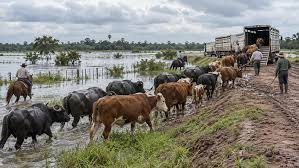
The FAO–IGAD alert comes as the region prepares for an exceptionally wet season. According to FAO’s October 2026 risk assessment, conditions favourable to RVF transmission are expected to increase across much of Eastern Africa through January 2027. The agency warns that heavy rainfall and flooding could create extensive mosquito-breeding habitats, while livestock movements could facilitate the spread of infection between affected areas.
-
Ethiopia: Southern areas are among those forecast to receive very heavy rainfall.
-
Kenya: Heavy rainfall is expected in areas where flood-related mosquito proliferation could elevate transmission risk.
-
Somalia: Southern and central areas face a particularly strong rainfall signal, alongside increased flood risk.
-
South Sudan: Wetter-than-normal conditions and renewed rainfall in some areas add to preparedness concerns.
-
Tanzania: FAO’s forecasting tool currently identifies Tanzania as having the largest area classified as suitable for RVF transmission.
-
Uganda: Wetter-than-normal conditions are expected, and FAO anticipates that suitable transmission areas could expand further.
The assessment also identifies increasing risk in Burundi and Rwanda. Lower but growing risks extend to the Comoros, northern Madagascar, Mayotte, southwestern Saudi Arabia and western Yemen. These are risk assessments, not confirmations of active outbreaks in every listed location.
Why El Niño can trigger Rift Valley fever outbreaks

Strong El Niño conditions
- Above-average rainfall and flooding in vulnerable areas
- More mosquito-breeding habitats
- Floodwater and wet environments support vector proliferation
- Increased opportunity for virus transmission
- Higher exposure risk among susceptible livestock
- Potential livestock and human health impacts
- Animal deaths, abortions, production losses and zoonotic infection
The biological link is well established: heavy rainfall and flooding can trigger the emergence of large numbers of mosquitoes, including Aedes, Culex and Anopheles species. In some mosquito species, the virus can persist in eggs and re-emerge following favourable environmental conditions. When the virus circulates among livestock, transmission can intensify rapidly.
FAO says the current El Niño conditions are comparable to those observed during 1997–1998, when Eastern Africa experienced one of its largest recorded RVF epidemics and animal epizootics. This historical comparison underlines the need for preparedness, but it does not mean that the current season will necessarily reproduce the scale or geographical pattern of the earlier event.
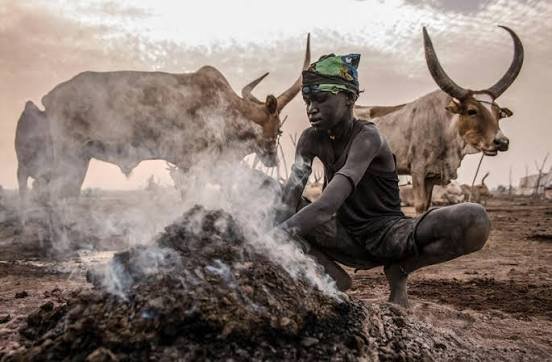
Livestock health: the main clinical and production risks
RVF can affect animal health and farm economics simultaneously. Its impact is particularly serious when susceptible animals are pregnant or very young.
Livestock group |
Principal concern |
Potential production impact |
|---|---|---|
Sheep and goats |
High mortality in young animals; abortions in pregnant females |
Loss of offspring, flock productivity and household assets |
Cattle and buffaloes |
Infection, reproductive losses and illness |
Reduced herd productivity and replacement-stock availability |
Camels |
Susceptibility to infection in affected settings |
Potential losses to pastoral livelihoods and livestock production |
Mixed-species herds |
Mosquito exposure across livestock groups |
Difficult surveillance and coordinated disease control |

