


HomeCompanion AnimalsSouth Korean Veterinary Association Agrees to Phased Disclosure of Animal Hospital Treatment...

South Korean Veterinary Association Agrees to Phased Disclosure of Animal Hospital Treatment Fees

South Korea moves towards greater transparency in veterinary treatment pricing

South Korea’s veterinary profession is moving towards a compromise over the government’s proposed changes to veterinary treatment fee disclosure.

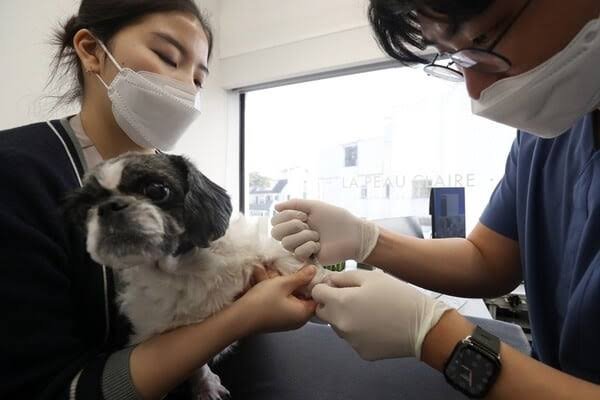
The Korean Veterinary Medical Association (KVMA) has agreed to resume participation in the veterinary fee-disclosure survey following months of opposition to the proposed regulatory changes. The compromise, reported on 15 November 2026, envisages phased publication of fees charged by individual animal hospitals, with the scope capped at 20 fee categories.

Background: Why was the veterinary association opposed?

South Korea has been working towards greater transparency in veterinary treatment costs. Under the existing framework, veterinary hospitals are required to display prices for designated treatments and services.

The government’s proposed changes would move beyond regional averages towards hospital-by-hospital disclosure. The veterinary profession raised concerns about the impact of this system on clinics. Among the key issues are:

  • Differences in clinical complexity

  • Variation in treatment protocols

  • Differences in equipment and infrastructure

  • Regional operating costs

  • The risk of comparing prices without considering clinical quality
What does phased disclosure mean?

The compromise involves resuming cooperation with the survey process while negotiating how individual hospital prices will be published. The proposal places a ceiling of 20 items on the disclosure framework, with implementation to be phased.

The reported agreement is not equivalent to final implementation of every proposed disclosure requirement; discussions with the Ministry of Agriculture, Food and Rural Affairs remain important.

Implications for veterinary hospitals

Greater price transparency could influence the competitive landscape. Veterinary hospitals may face greater pressure to explain differences in consultation, diagnostic, surgical and preventive-care costs.

Independent clinics may need to communicate the value of their services more clearly.

Implications for pet owners

Greater access to price information could help pet owners compare providers and plan for routine healthcare.

However, price comparisons should not replace clinical assessment. A lower-priced service is not necessarily equivalent to a higher-priced one when diagnostic scope, equipment, expertise and follow-up care differ.

International relevance

The South Korean experience is relevant to other markets, including India, where affordability and transparency are important issues in companion-animal healthcare.

Veterinary pricing regulation is increasingly becoming a strategic issue for animal hospitals, corporate veterinary chains and distributors. The central challenge is balancing affordability and transparency with the clinical autonomy and economic sustainability of veterinary practices.

Animal Health India Editorial Team
Animal Health India Editorial Teamhttps://animalhealthindia.com
Animal Health India (AHI) is an independent news and intelligence platform covering the global animal health, veterinary, livestock, poultry, companion animal and pet food sectors. Our editorial team comprises veterinary journalists, animal health professionals, regulatory affairs specialists and industry analysts with over 30 years of combined experience covering India, Asia, Europe and North America. AHI publishes news, regulatory updates, market intelligence and company news drawn from primary sources including DAHD, EMA, USDA, AVMA and leading veterinary publications worldwide.
RELATED ARTICLES