


H5N9 confirmed at one of South Korea’s major quail operations
South Korea has confirmed highly pathogenic avian influenza (HPAI) at a commercial quail farm in Paju, Gyeonggi Province, in an outbreak involving a flock of approximately 466,000 birds.
The Ministry of Agriculture, Food and Rural Affairs (MAFRA) announced the confirmation on 13 November 2026. Importantly, the confirmed subtype at Paju was H5N9, not H5N1.
The detection was part of a wider series of H5 avian influenza events involving multiple poultry production systems during the 2026/27 winter season.
How the outbreak was detected
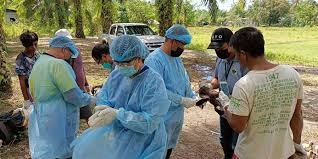
The farm reported increased bird mortality, prompting veterinary authorities to investigate and collect samples. Following detection of H5 antigen, the authorities implemented emergency disease-control procedures. The measures included:
-
Restricting entry to the infected premises.
-
Culling birds at the affected farm.
-
Conducting epidemiological investigations.
-
Enforcing temporary movement restrictions.
-
Testing poultry farms in the surrounding control area.
-
Disinfecting farm access routes and associated facilities.
A 24-hour standstill was imposed on relevant quail farms, facilities and vehicles in Gyeonggi Province. MAFRA also ordered detailed testing of poultry farms within the 10-kilometre surveillance zone.
Why a quail outbreak is particularly significant
Quail production is an important component of the Asian poultry industry. Unlike broiler and layer operations, quail production has distinct supply-chain characteristics involving specialised breeding, egg production, hatcheries and distribution. An outbreak at a farm of this scale can affect:
Breeding and production – Restrictions may disrupt breeding-stock movements and the availability of replacement birds.
Quail egg supply – Large-scale culling can affect the supply of eggs and processed quail products.
Farm biosecurity – The outbreak will increase attention to vehicle disinfection, personnel movement and separation between different poultry operations.
Regional trade – Movement restrictions can affect the transport of live birds, eggs and associated products.
Winter HPAI risk in South Korea
The outbreak coincides with increasing seasonal migration of wild birds. Wild waterfowl can contribute to the introduction and geographical distribution of avian influenza viruses.
South Korea’s poultry sector therefore faces the challenge of managing exposure from wild birds while preventing transmission between commercial operations.
What poultry producers should prioritise
-
Daily mortality monitoring.
-
Immediate reporting of unusual mortality.
-
Strict farm-entry protocols.
-
Dedicated footwear and protective clothing.
-
Rodent and wild-bird exclusion.
-
Effective cleaning and disinfection.
-
Controlled movement of birds and equipment.
The Paju outbreak deserves close attention because of its scale and its occurrence alongside other HPAI detections in South Korea. For the veterinary industry, the implications extend to diagnostic surveillance, biosecurity products, disinfection, poultry vaccination research and farm-management systems.

