


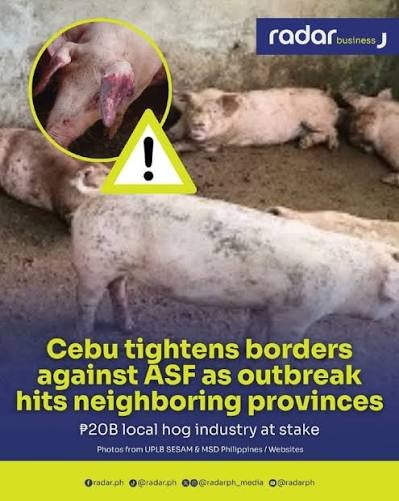
Veterinary authorities investigate suspected ASF in southern Cebu
Veterinary authorities in the Philippine province of Cebu have placed two southern municipalities under surveillance following suspected African swine fever cases.
As reported on 12 November 2026, the Provincial Veterinary Office was awaiting laboratory confirmation from the Department of Agriculture before identifying the affected municipalities. The situation highlights the continuing vulnerability of the Philippine pig industry to ASF, even as national authorities pursue herd-repopulation and vaccination programmes.
Previous outbreak contained in Ginatilan
Provincial Veterinary Office officials reported that an ASF case detected in Ginatilan on 20 September had been contained within less than 14 days.
The province has continued surveillance activities, with 24 local government units receiving recognition under the Bureau of Animal Industry’s active surveillance programme. The latest suspected cases are being investigated separately, and confirmation should not be assumed until laboratory results become available.
Farmers face a difficult economic environment
The disease threat is coinciding with significant commercial pressures. Farm-gate prices for live hogs were reported at approximately PHP105–120/kg. Farmers have also highlighted:
-
High feed prices
-
Rising fuel expenses
-
Competition from imported pork
-
Continuing disease risks
-
Limited access to affordable working capital
Some producers have requested government assistance through feed subsidies and pricing interventions.
Proposed measures to support the industry
The provincial veterinary authorities have been examining options to support the pig sector. These include discussions with feed manufacturers to reduce production costs and recommendations for stronger monitoring of farm-gate and retail prices.
The province is also considering longer-term legislative and administrative measures.
Animal movement restrictions remain important
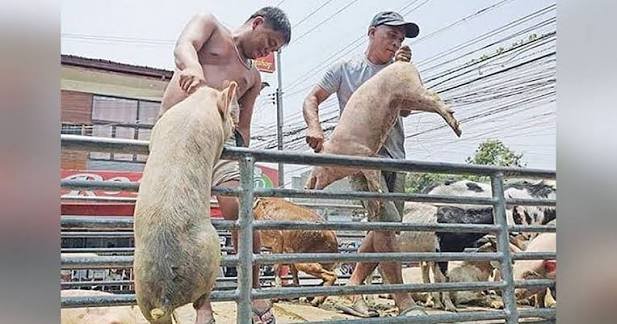
Cebu has maintained restrictions on live-pig entry. Certain exemptions for pigs intended for lechon production require controlled point-to-point transport, veterinary certification, negative PCR testing and slaughter at an appropriately accredited facility.
Such requirements illustrate the importance of linking animal movement permissions to documented disease surveillance.
Implications for veterinary pharmaceutical companies
The situation reinforces the importance of affordable, field-ready solutions for small and medium pig producers. Potential areas include:
-
Rapid ASF testing
-
Farm biosecurity kits
-
Disinfection products
-
Farmer training
-
Vaccination programmes where approved
-
Digital traceability
Cebu demonstrates the challenge of managing infectious disease when producers are also facing weak farm-gate prices and high input costs. Disease control programmes will be more sustainable when farmers have the economic capacity to invest in preventive health measures.

