


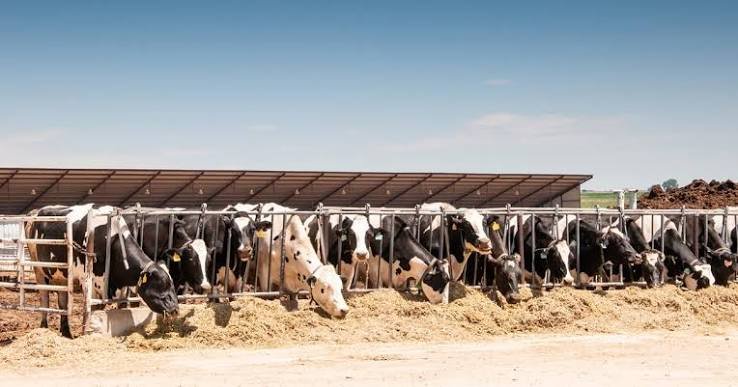
The highly pathogenic avian influenza (HPAI) H5N1 outbreak in US dairy cattle has expanded geographically, with the United States Department of Agriculture (USDA) confirming infections in dairy herds across 22 states since the outbreak began in March 2024. The detection of H5N1 in Oregon in November, following the first reported Indiana cattle detection earlier in the month, has renewed debate over whether the national response should include a voluntary emergency vaccination framework for dairy cattle.
The two new state detections were confirmed by USDA’s Animal and Plant Health Inspection Service (APHIS). In Indiana, H5N1 genotype B3.13 was detected through routine National Milk Testing Strategy testing. Oregon’s first reported cattle detection involved H5 clade 2.3.4.4b, confirmed by the National Veterinary Services Laboratories. APHIS said additional investigation and genetic sequencing would help clarify the epidemiological picture.
The outbreak’s geographic footprint
Washington has also reported renewed dairy-herd detections. USDA’s November 4 sequencing update said the October Washington detections involved H5N1 genotype B3.13 and were consistent with transmission from Idaho, likely through cattle movement. APHIS reiterated that enhanced farm biosecurity remains central to limiting spread.
The wider outbreak has demonstrated how livestock movement can contribute to geographic spread. Infected animals may appear clinically normal at some stages, while milk testing and surveillance can identify infection that would otherwise go undetected. The National Milk Testing Strategy is therefore an important component of early detection.
Why vaccination is being discussed
The call for a voluntary emergency vaccination framework reflects a concern that surveillance, movement testing and biosecurity may not be sufficient on their own to prevent further spread in a large and interconnected dairy industry.
A vaccination programme could, in principle, reduce susceptibility or disease burden, but several questions would need to be resolved before implementation:
-
Vaccine suitability: Which vaccine platform and antigen would be appropriate for the circulating cattle-associated H5N1 lineages?
-
Efficacy: Would vaccination prevent infection, reduce clinical disease, reduce viral shedding, or achieve some combination of these outcomes?
-
Surveillance compatibility: How would authorities distinguish vaccinated animals from naturally infected animals, and how would vaccination affect serological monitoring?
-
Milk and trade considerations: What would be the implications for milk testing, animal movement, export certification and international trading partners?
-
Delivery: Who would procure, administer and finance a large-scale cattle vaccination programme?
These are significant regulatory and technical issues. A vaccination policy would need to be based on product-specific evidence and a clear national disease-control strategy.
Biosecurity and testing remain the current federal response
USDA’s public communications continue to emphasise surveillance, testing and enhanced biosecurity. APHIS has not, in the material reviewed for this article, announced a voluntary national emergency vaccination framework for dairy cattle. The industry request should therefore be understood as a policy proposal or advocacy position—not an approved federal programme.
For dairy producers, the immediate priorities remain:
-
Maintain strict controls on animal movement and introductions.
-
Test in accordance with applicable federal and state requirements.
-
Isolate and investigate animals showing compatible clinical signs.
-
Strengthen milking-parlour hygiene and equipment sanitation.
-
Protect workers through appropriate personal protective equipment and occupational-health guidance.
-
Report unusual illness or mortality promptly to state animal-health authorities.

