


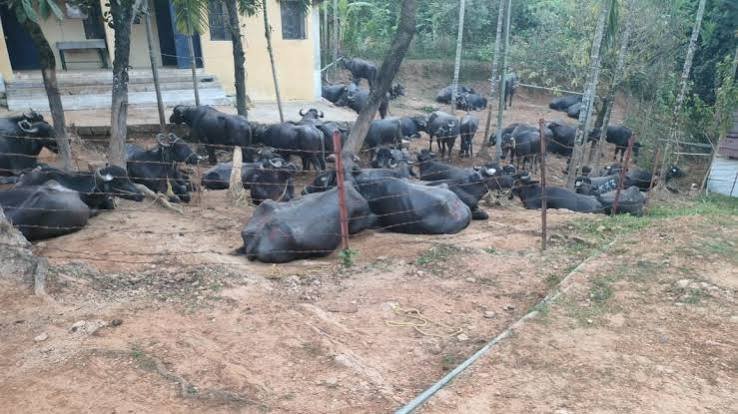
Youth Body Presses Meghalaya Government to Fast-Track Cattle Health Check Post in Ri-Bhoi
Pressure is mounting on the Meghalaya state government to establish an operational veterinary screening and transit facility along key livestock corridors after a prominent regional youth organization flagged the absence of border health inspections for cattle moving toward Bangladesh.
The Khasi Jaintia Youth Student Union (KJYSU) formally petitioned state authorities to expedite the creation of an animal health check post in Ri-Bhoi district—a vital transit gateway connecting Assam and the rest of mainland India with Meghalaya’s southern international border. The demand follows an official disclosure from the Director of Meghalaya’s Animal Husbandry and Veterinary Department confirming that no dedicated check post currently exists to intercept animal-carrying vehicles, inspect livestock for infectious diseases, or verify statutory transit permits.
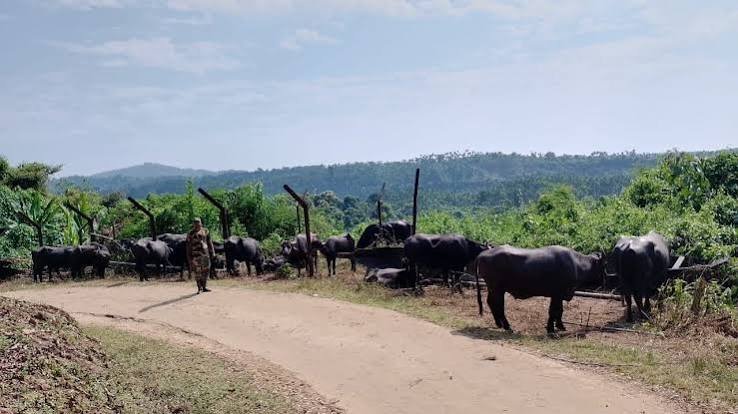
Need for Check-Post
In its written response to the union, the department acknowledged the enforcement gap while noting that land acquisition is actively underway to construct a permanent Transit Animal and Poultry Health and Welfare Centre in Ri-Bhoi district. Once operational, the facility is intended to serve as a frontline biosecurity checkpoint where veterinary officers can examine incoming and transiting cattle, buffaloes, pigs, and poultry, verify vaccination and health certificates, and ensure compliance with animal welfare transport norms.
Risk for North-East Livestock Economy
The controversy highlights the dual epidemiological and regulatory vulnerabilities facing Northeast India’s livestock economy. Meghalaya shares a 443-kilometre international boundary with Bangladesh, and porous transit routes through Ri-Bhoi, East Khasi Hills, and West Jaintia Hills have long been sensitive corridors for unregulated cattle movement.
Without mandatory veterinary inspection at district entry points, unscreened livestock transit poses severe transboundary disease risks—including Foot-and-Mouth Disease (FMD), Lumpy Skin Disease (LSD), Peste des Petits Ruminants (PPR), African Swine Fever (ASF), and zoonotic brucellosis—that can devastate smallholder farmers across the Khasi and Jaintia hills.
The push for physical border infrastructure also follows recent administrative tightening by the Meghalaya government. On October 30, 2026, the Personnel and Administrative Reforms Department notified a revised 45-working-day statutory service timeline for issuing official transit permits for bovine animals and other livestock entering Meghalaya from outside the state, designating the Secretary of the Animal Husbandry and Veterinary Department as the issuing authority.

